About the St. Louis River
This blog page focuses on the lower St. Louis River estuary, the portion of the river that begins at the Fond du Lac Dam and extends to Lake Superior. This dynamic stretch includes the river’s freshwater estuary, industrial harbor, and coastal wetlands, and highlights the place where river, community, and lake come together.
Below you will find information about the people, industries, flora, and fauna that call this place home. We hope you enjoy discovery the beauty, power, and awe that is the St. Louis River.
Birds
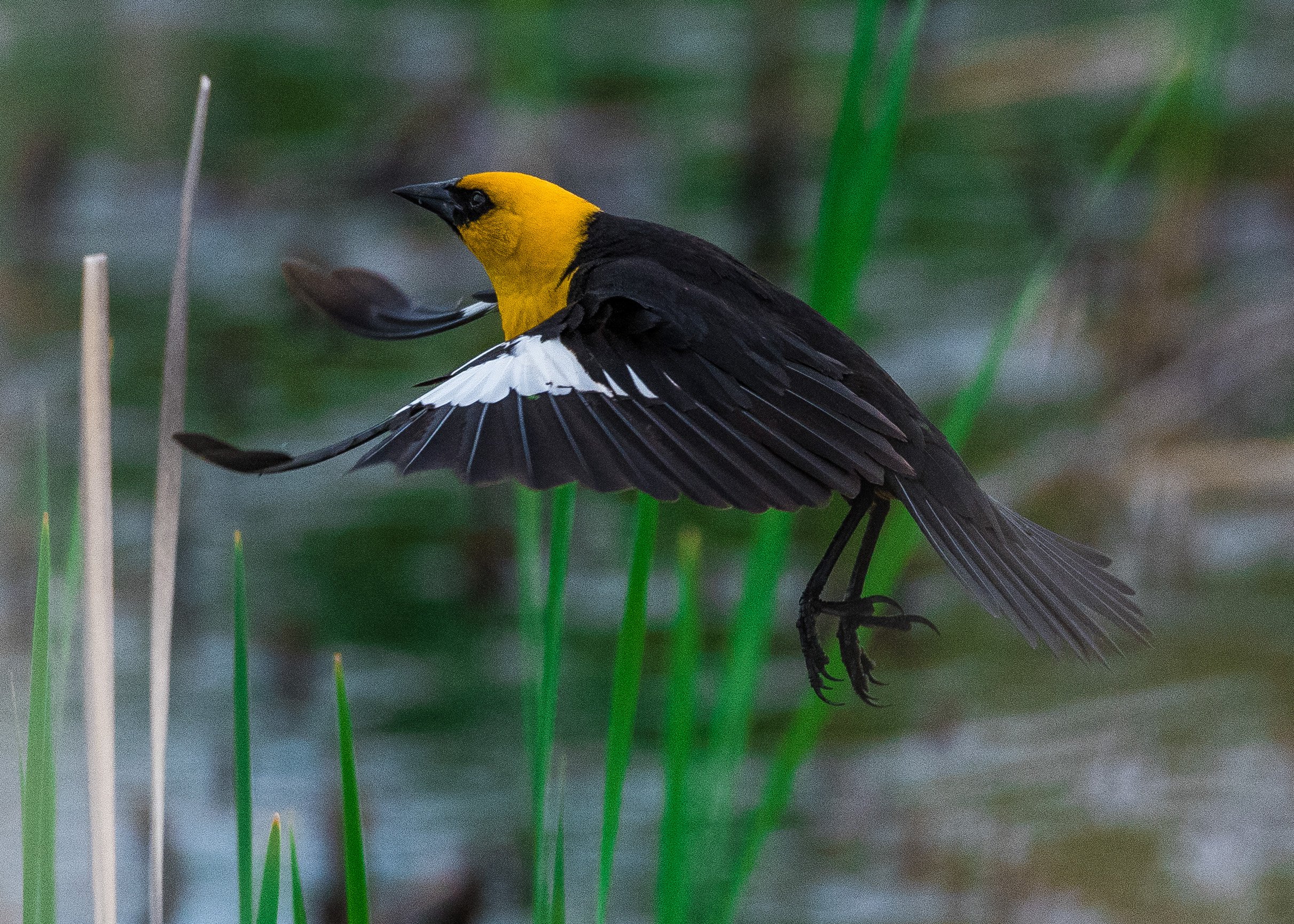
The lower St. Louis River estuary is a vital habitat for over 230 bird species, serving as a key stopover for migrants and a breeding ground for many residents. Wetlands, sandy beaches, and open water provide food and shelter for songbirds, shorebirds, raptors, and waterbirds, including species of conservation concern like piping plovers and bald eagles.

Fishing Rules and Regulations
The St. Louis River Estuary, stretching from Duluth, Minnesota to Superior, Wisconsin, offers excellent fishing opportunities. Its unique location on the Minnesota–Wisconsin border means anglers need to be aware that fishing regulations vary depending on which state’s waters they are in. A valid Minnesota or Wisconsin fishing license is required, and special border water rules may also apply.
Fish
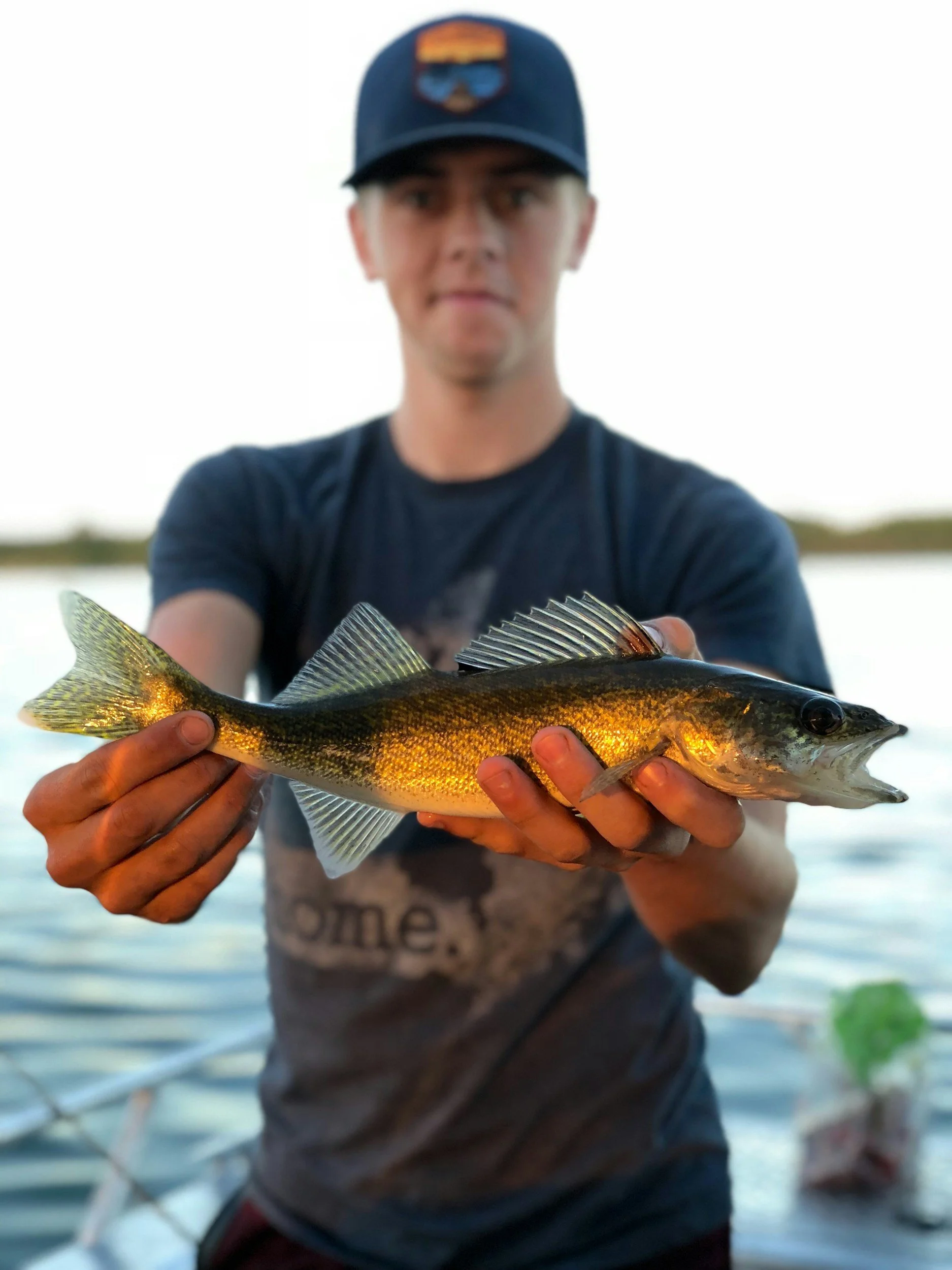
The St. Louis River hosts one of the Great Lakes’ most diverse warmwater fish communities, with over 45 native species. Walleye return each spring to spawn, while muskellunge, northern pike, smallmouth bass, crappies, perch, and bullheads are year-round residents. The estuary also supports sturgeon, catfish, suckers, and other native fish.
Mammals
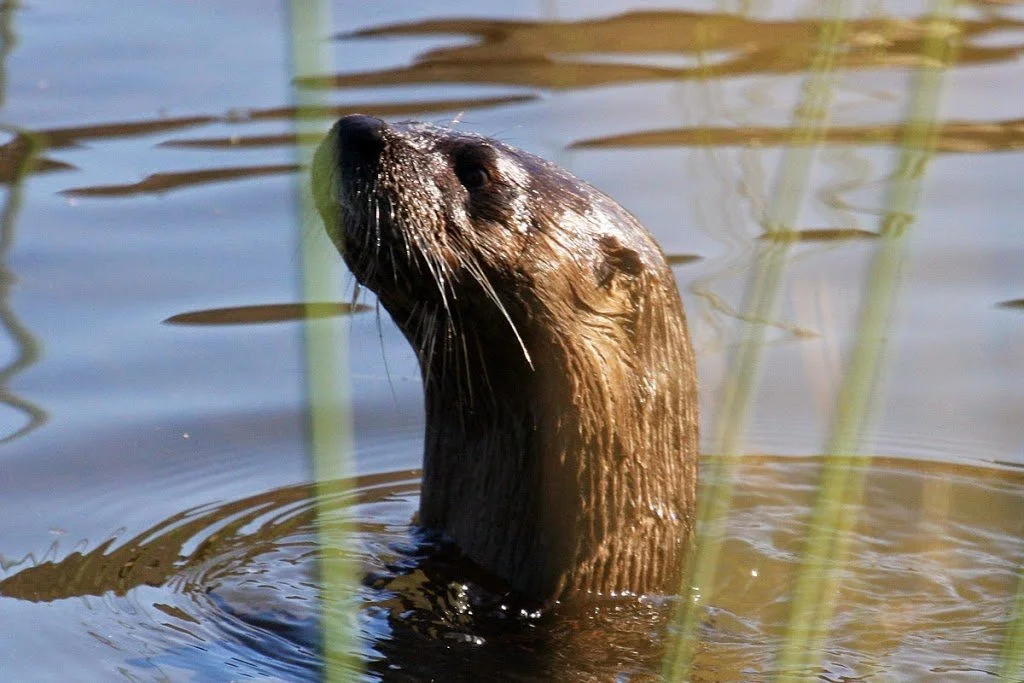
The St. Louis River corridor is home to a variety of mammals, from beavers, muskrats, and otters in wetlands to raccoons, foxes, deer, and black bears in forests and uplands. Smaller mammals like squirrels, chipmunks, rabbits, and voles thrive along riverbanks. These habitats support wildlife diversity and connect the river to the larger Great Lakes ecosystem.
Habitat
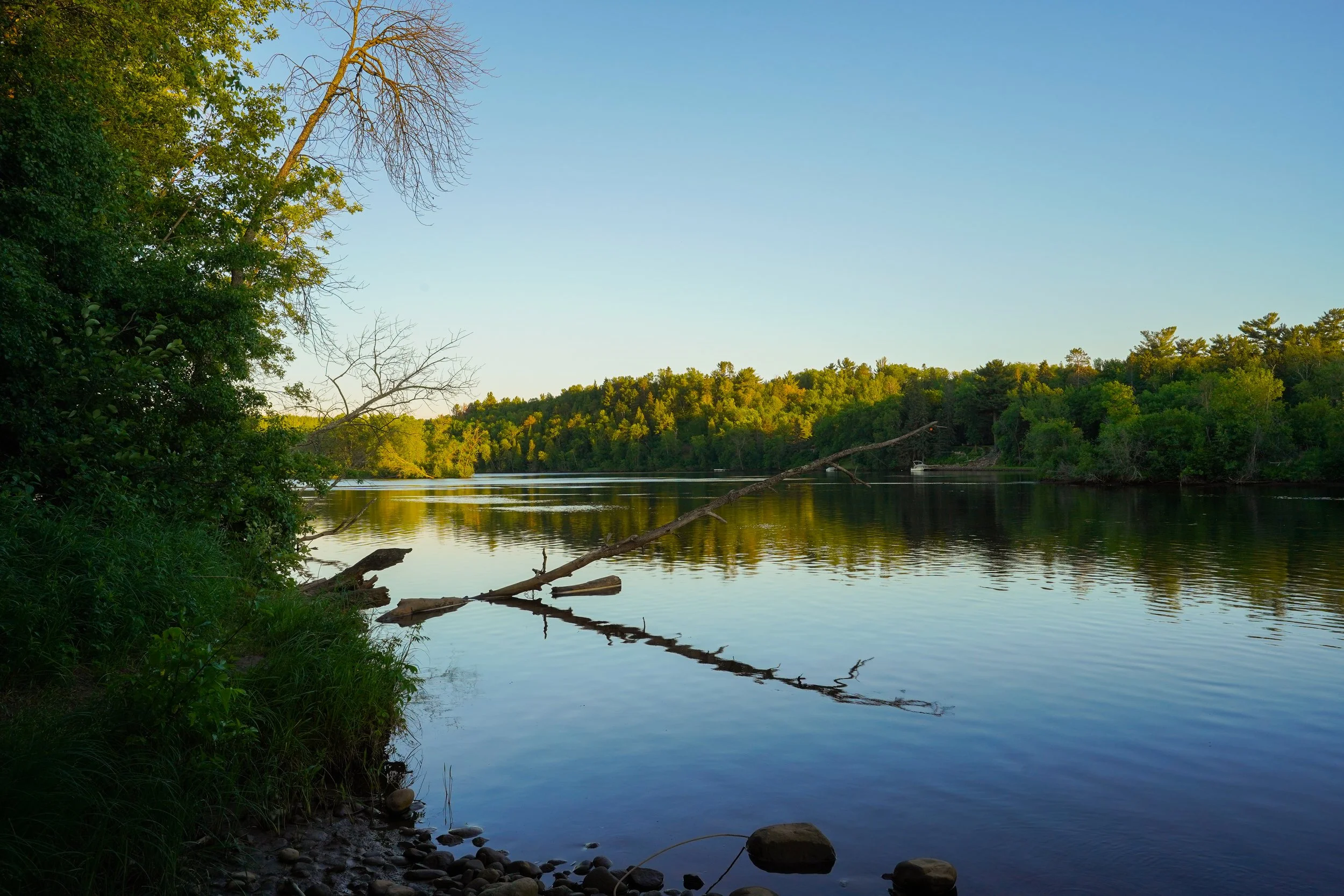
The lower St. Louis River is a freshwater estuary where natural processes like water depth, clarity, and sediment shape diverse habitats. Wetlands, marshes, and uplands provide food and shelter for fish, birds, and wildlife. Seasonal water changes, human impacts, and historic dredging influence these dynamic ecosystems, which remain vital to the Great Lakes region.
Post-Industrial History
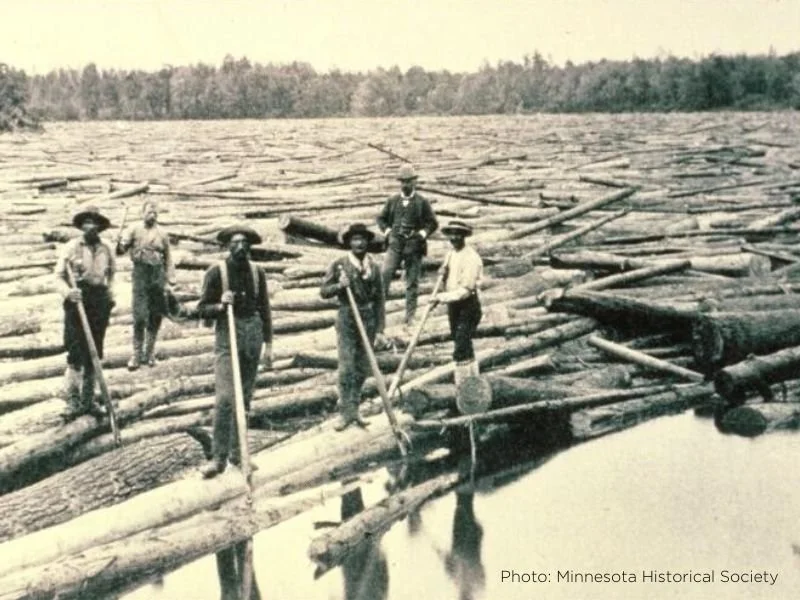
Completed in 1870, the Lake Superior and Mississippi Railroad connected the Mississippi River to Lake Superior, overcoming steep grades, treacherous trestles, and spring mudslides. Its arrival sparked Duluth’s explosive growth, turning a tiny settlement into a booming port city in just a few years.
Pre-Industrial History
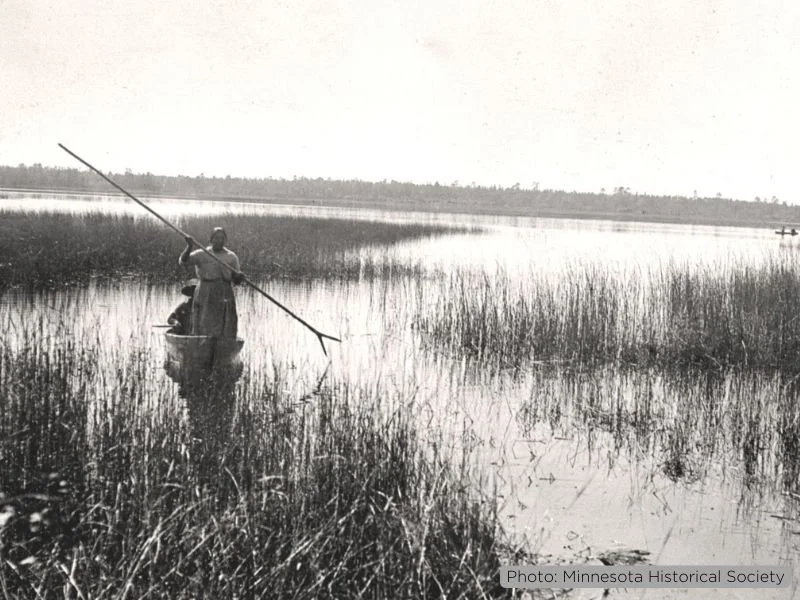
The Fond du Lac region, known as the “Head of the Lakes,” has been home to Native peoples for thousands of years. Anishinaabeg communities thrived along the St. Louis River, relying on wild rice, fishing, and trade. A vital travel and fur trade route, the area later became a center for exploration, missions, and early settlement shaping the Twin Ports.

Geologic History
The lower St. Louis River was shaped by ancient bedrock and powerful glacial forces. As glaciers retreated over 10,000 years ago, meltwater carved channels and deposited red clay, sand, and silt from Glacial Lake Duluth. Land rebound and shifting waters later formed today’s freshwater estuary, sheltered from Lake Superior by a baymouth sand bar. Learn more about the Geologic history here!