
Safety Essentials
Know Before You Go
The St. Louis River Estuary is a dynamic Great Lakes environment where waters from Lake Superior and the St. Louis River mix, creating changing currents, water levels, and temperatures. With cold water, commercial shipping traffic nearby, and shifting weather, careful planning and close attention to conditions are essential for any excursion.
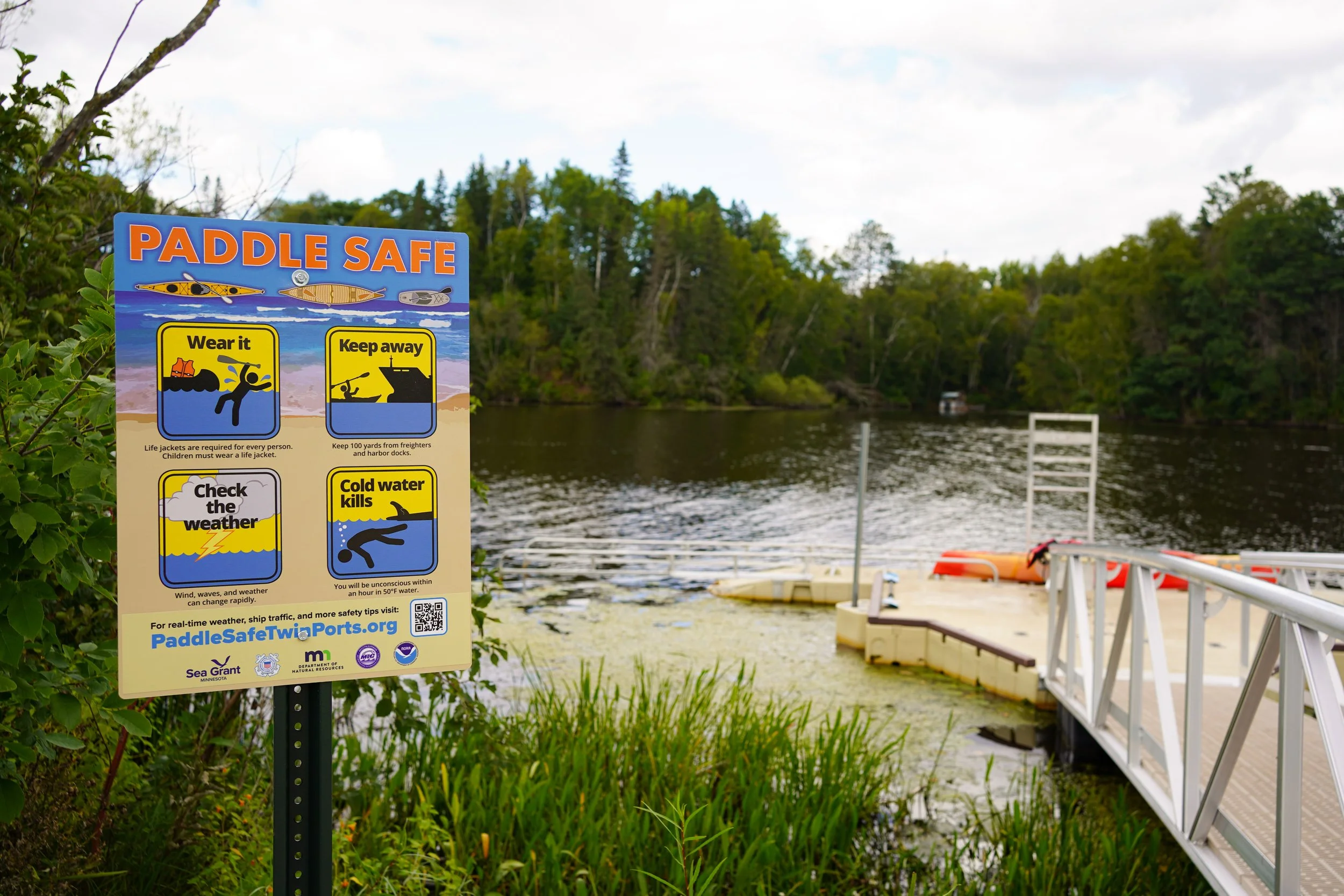
Before heading on the water, submit a Float Plan so others know where you are going and when to expect you back. For today’s weather, paddling conditions, and shipping traffic, check out the Paddle Safe Twin Ports website.
FOR EMERGENCIES ON THE RIVER:
Contact the U.S. Coast Guard (USCG) Duluth station 218-529-3100
If cell service is unavailable, use a VHF-FM radio on Channel 16 or call 911
Provide location landmarks or GPS coordinates—know nearest public access points

Recommended Gear
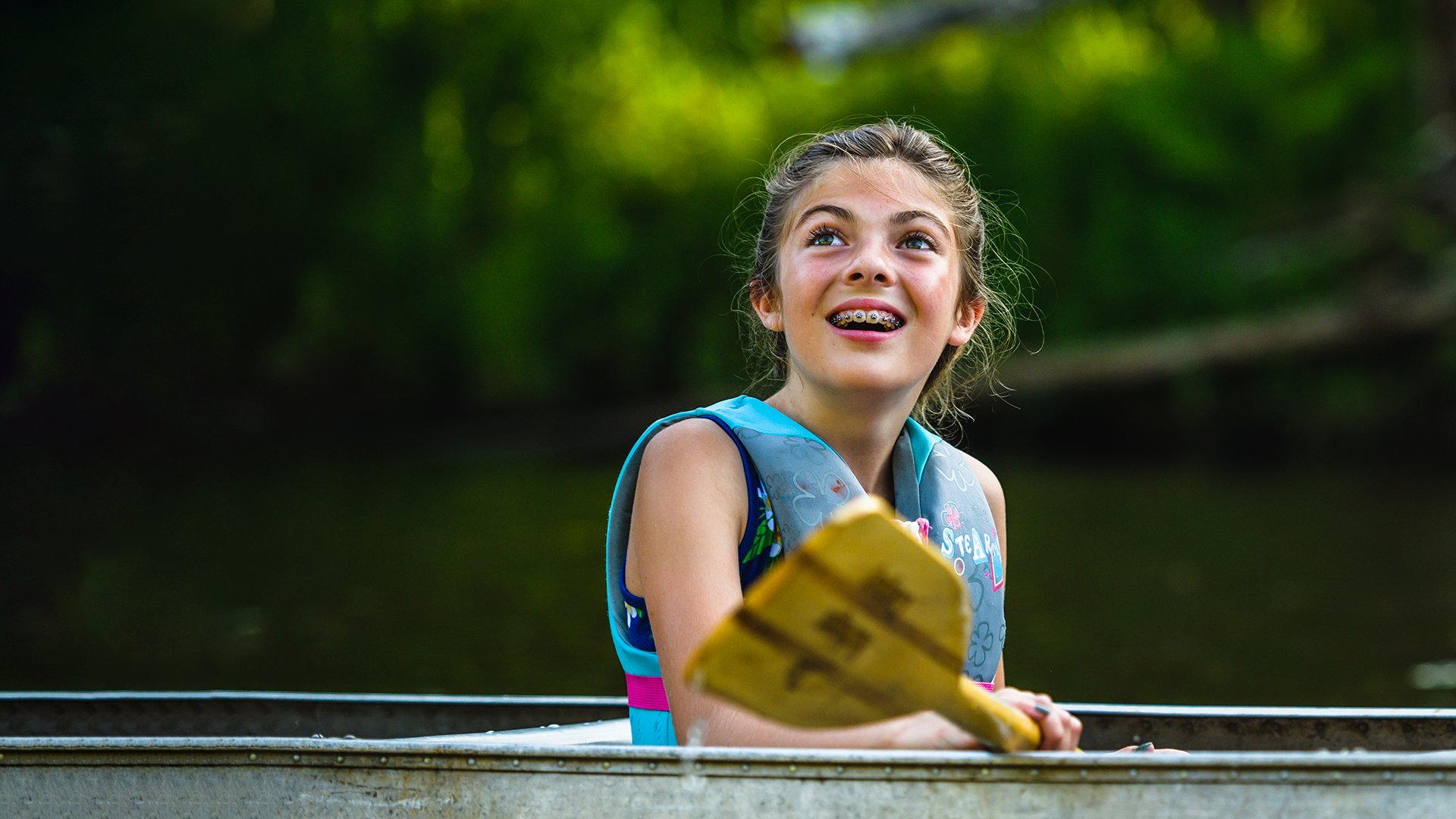
Always wear a U.S. Coast Guard–approved life jacket—it’s the most important piece of safety equipment and required for each person on board.
Bring essential gear, including a whistle, light, spare paddle, bilge pump or sponge, and a dry bag with a phone, map, first aid kit, and extra layers. A marine radio and navigation chart are also recommended, especially near shipping areas.
Wind, Weather, Currents & Cold Water
Weather Forecasting
The St. Louis River Estuary’s proximity to Lake Superior can create rapidly changing conditions. Always check a current, local forecast, such as the National Weather Service marine or nearshore forecast, and monitor winds, storm chances, and water temperature before launching. Know your limits and be prepared to adjust or cancel plans if conditions worsen.
Lightning on open water is a serious hazard—return to land and off the water immediately if you hear thunder.
Heavy rain, storms, and fog can reduce visibility, so bring navigation tools and stay alert.
Have a float plan with timeline and emergency contacts.
Wind & Waves
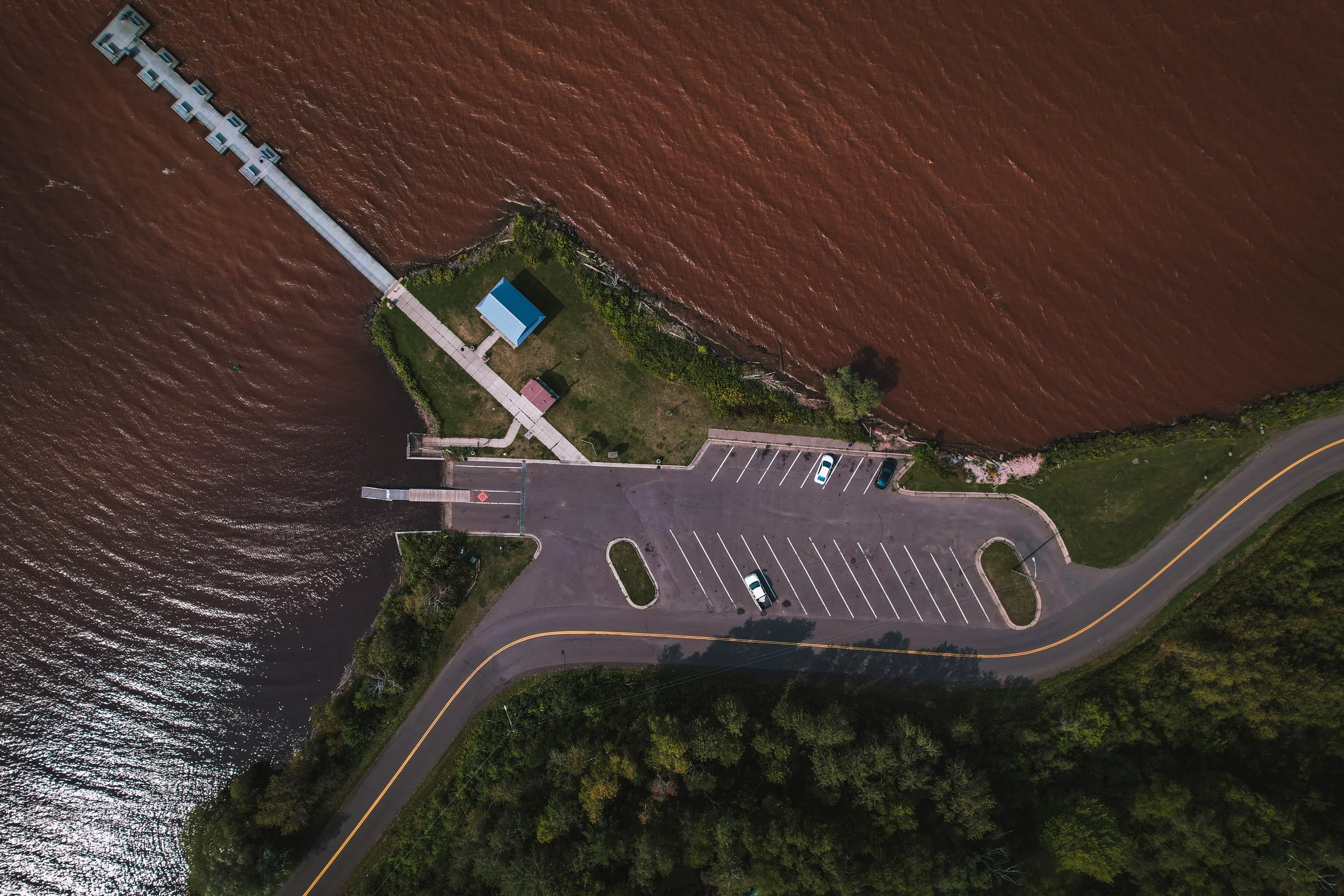
Large, open stretches of the St. Louis River can expose paddlers to higher wind speeds, stronger currents, and increased wave action.
Areas where the river widens—Spirit Lake, Clough Island, Woodstock Bay—are especially prone to wind-driven waves and rapidly changing conditions.
Wind on the estuary is often stronger than reported inland and typically picks up as the day progresses, often making mornings the best time for calmer paddling.
Strong winds, especially Northeast winds, can create choppy water and make navigation challenging, even for experienced paddlers.
Use tools like Windy.com for a visual representation of current and forecasted wind speed and direction.
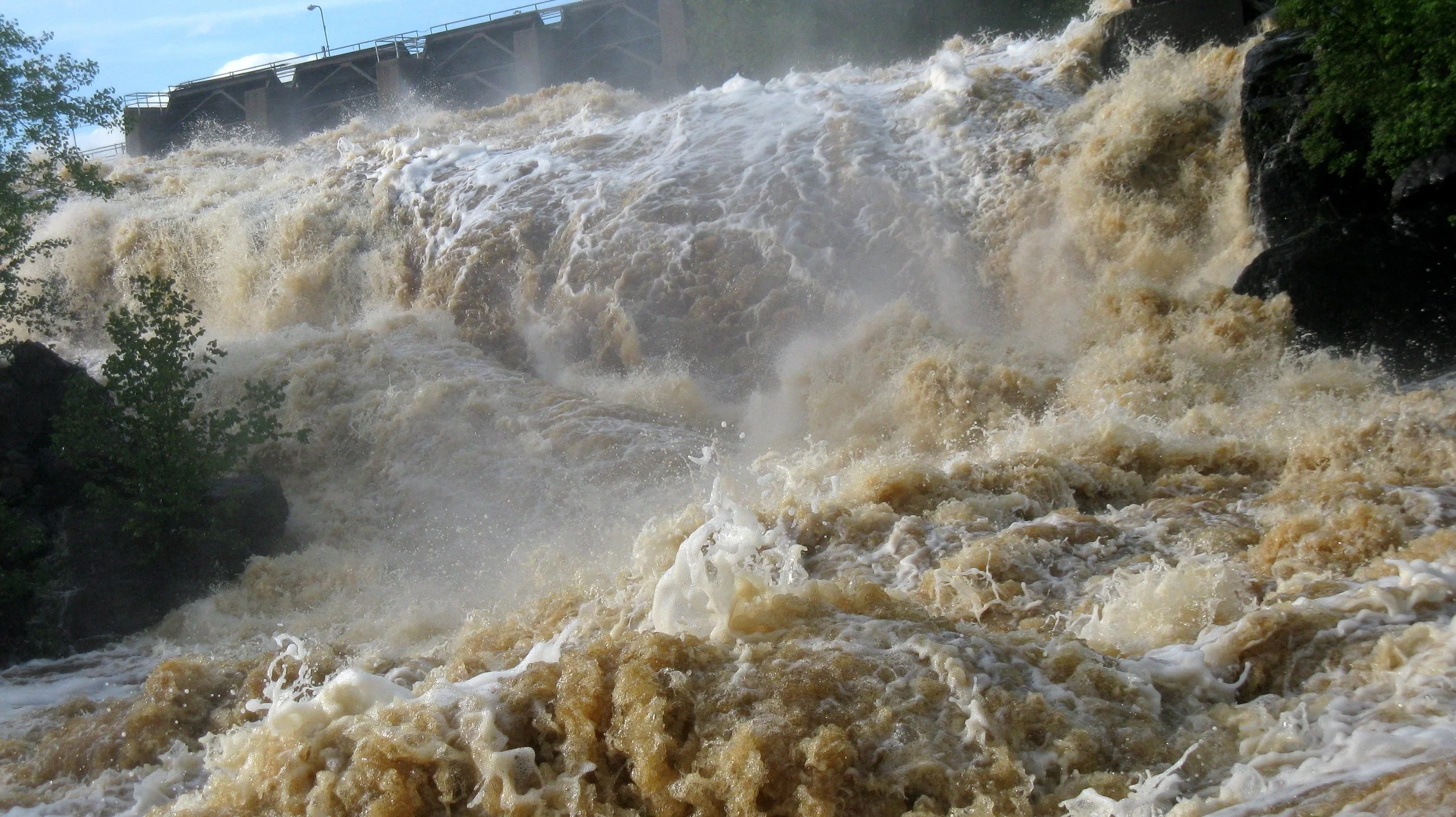
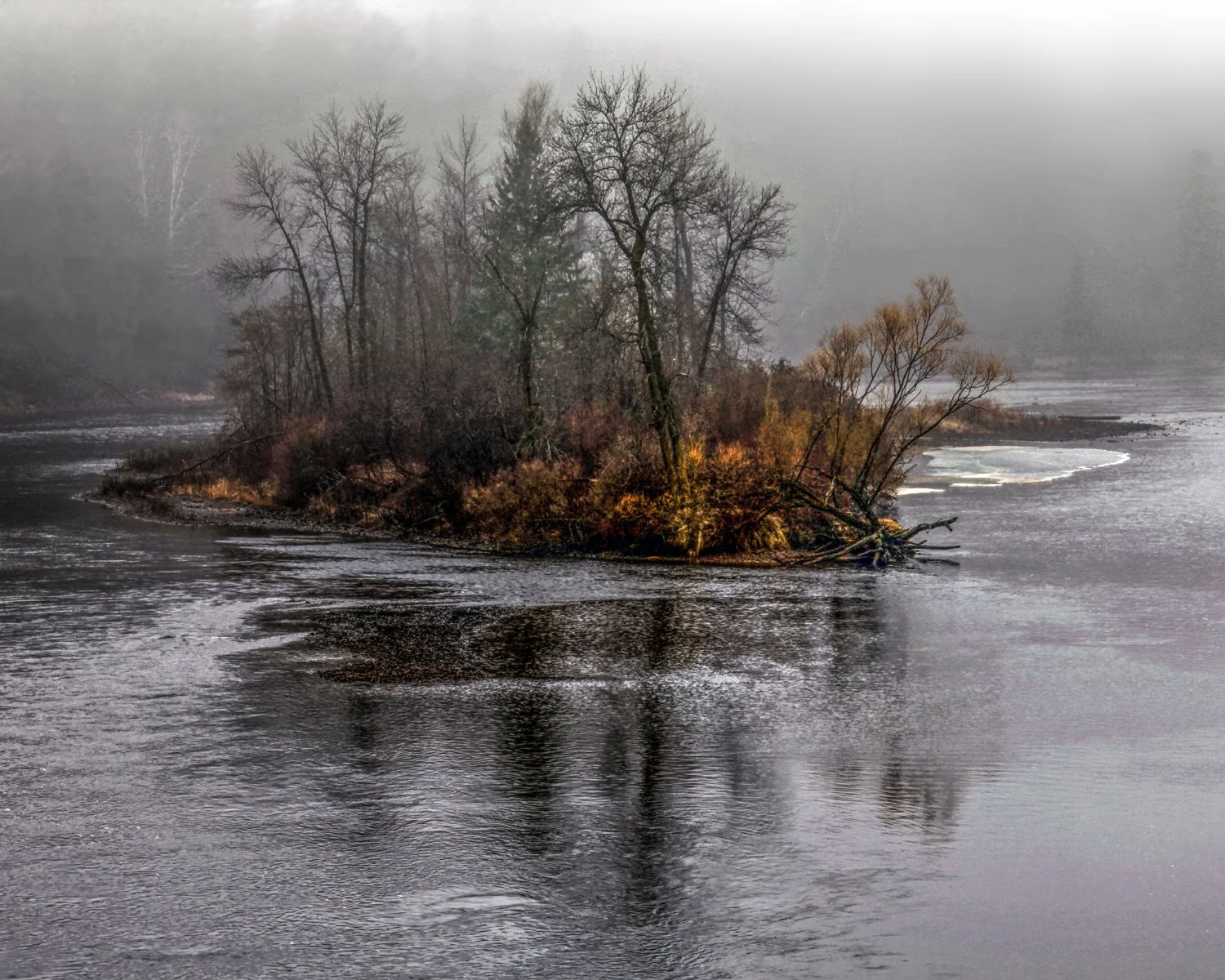
Photo: Roaring Torrent by Thomas M Hon Jr.
Currents & Seiche
Current is usually strongest in the main channel and open water, especially after heavy rain, spring snowmelt, or flood events, while sheltered bays and backwaters move more slowly. The river may appear calm on the surface but still have strong underwater flow, and high water can carry debris downstream.
Flows are also influenced by releases from the Fond du Lac Dam, which can quickly change water levels and increase downstream current (especially near Chambers Grove). Listen for the warning horn and use caution—high water increases current, while low water exposes rocks. You can check daily flow conditions through the buttons below or by calling Minnesota Power at 218-720-2777 after 7am.
In addition, wind-driven seiche from Lake Superior can temporarily slow, stop, or reverse flow, creating unexpected changes in water level and direction. These seiche events can reverse the flow of water as far as Highway 23 and raise water levels by up to two feet. Always be prepared for changing conditions.

Cold Water
Water temperatures in the St. Louis River can change quickly, especially after heavy rain or when cold water from Lake Superior is pushed upriver during a seiche, increasing the risk of hypothermia.
Hypothermia can occur rapidly in cold water, even on warm days. A common safety rule is that if the air temperature and water temperature add up to less than 120°F, a wetsuit or dry suit is recommended.
Always dress for the water temperature, not the air temperature, and consider cold-water protection in spring, early summer, and fall.
Trail Etiquette
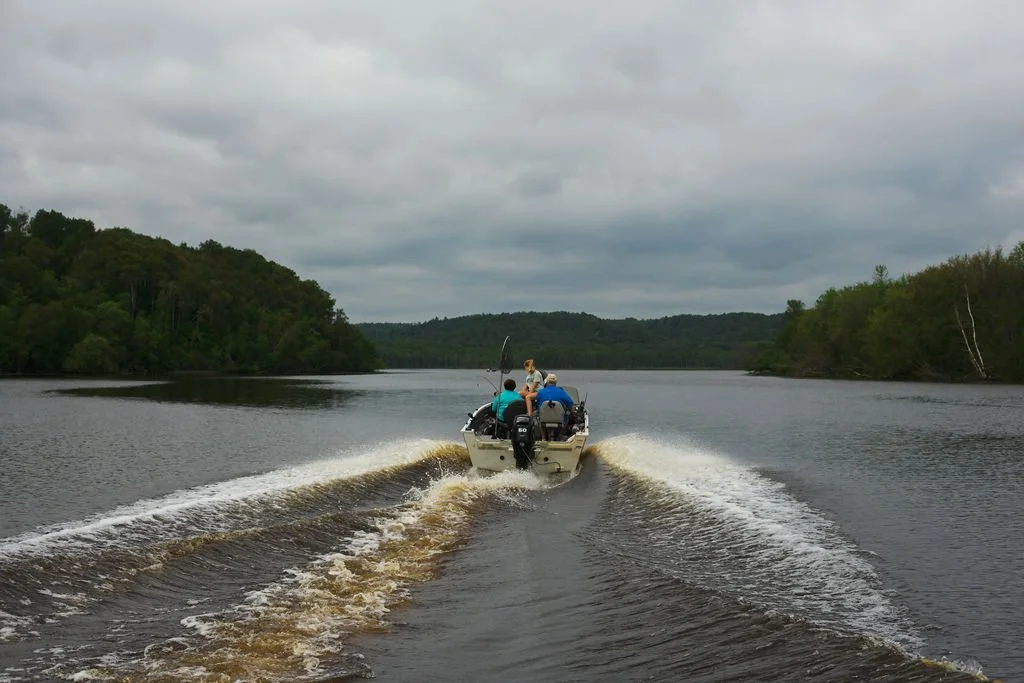
The St. Louis River Estuary National Water Trail is a multi-use waterway shared by paddlers and motorboats. Follow basic navigation rules and stay alert at all times.
Stay out of marked shipping channels
Avoid blind spots near docks, terminals, and large vessels
Cross channels quickly and at right angles
Use bright, high-visibility clothing and boats
Never drink alcohol while paddling or boating as it impairs judgment, balance, and reaction time
Leave No Trace
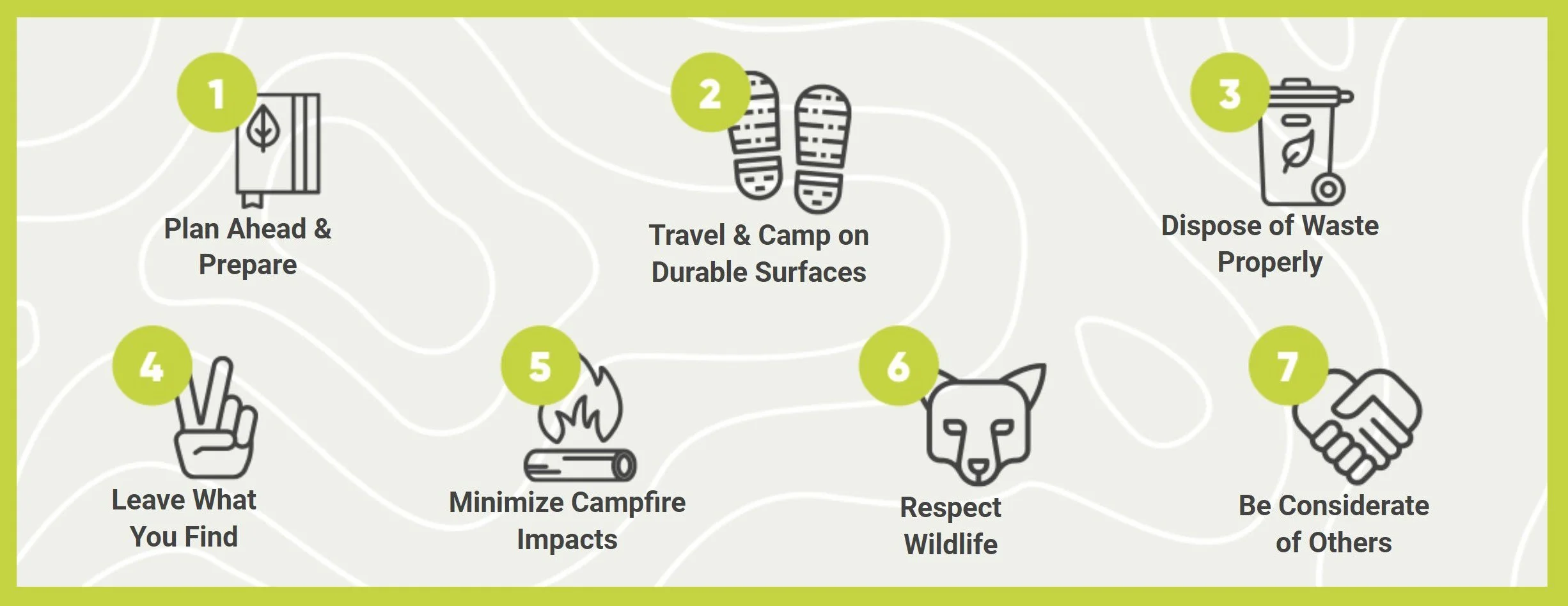
Help protect the St. Louis River Estuary by following Leave No Trace principles. Plan ahead, stay on durable surfaces, and pack out everything you bring in. Leave plants, wildlife, and cultural sites undisturbed, minimize campfire impacts, and use restroom facilities when available. Respect wildlife and other visitors so everyone can enjoy the river.
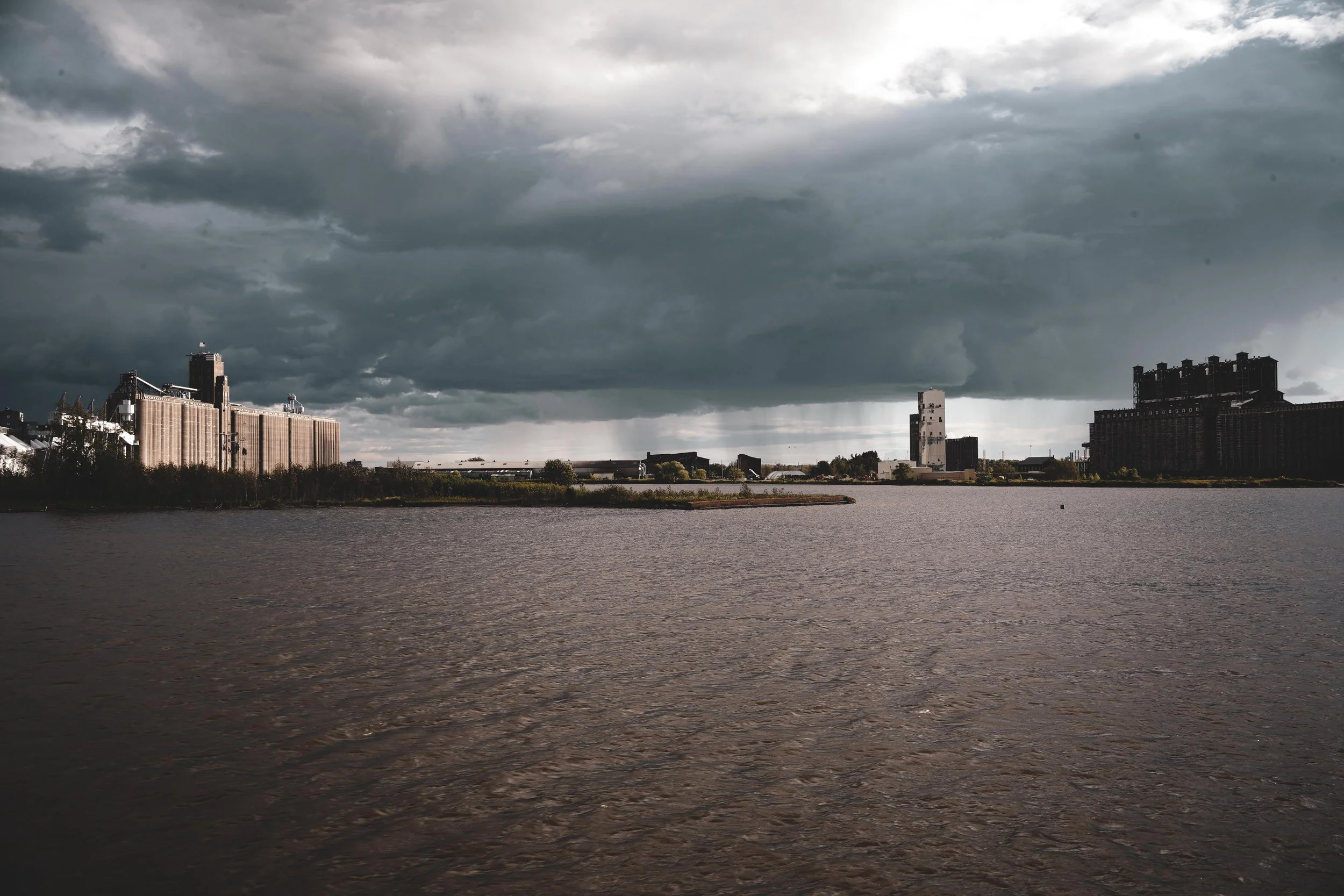
Shipping Traffic
The St. Louis River Estuary National Water Trail officially ends at Highway 2, just before the active shipping channel—but your trip doesn’t have to end there. Paddlers continuing downstream should use extra caution.
Check vessel traffic on the Paddle Safe Twin Ports website before heading out and avoid heavily trafficked areas. Stay at least 100 yards away from freighters and harbor docks. These ships can carry up to 68,000 tons, are difficult to maneuver, and require long distances to stop. Their large wakes can easily capsize small watercraft.