
Regulations & Advisories
Boating Regulations
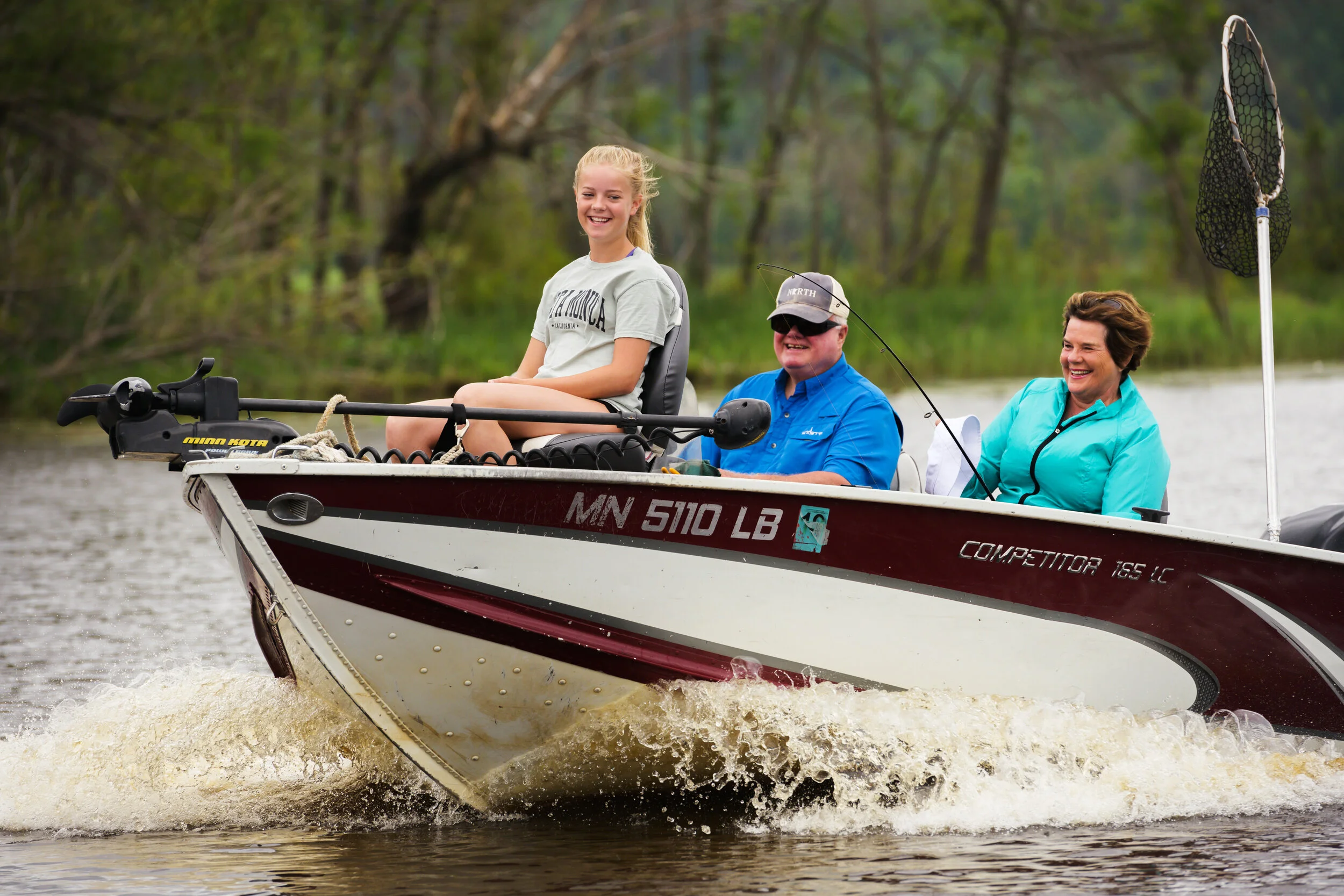
The St. Louis River Estuary is a great place to explore by canoe, kayak, stand-up paddle board, or motorized watercraft. Due to the river bordering both Minnesota and Wisconsin, regulations vary by state, including registration, safety equipment, and boater education requirements. Life jackets are required for all passengers, and operators must follow navigation rules and local speed or wake restrictions. Click the links below for the official Minnesota and Wisconsin boating regulation guidelines.
-
Boat registration requirements differ between Minnesota and Wisconsin. In Minnesota, all motorized boats and all non-motorized boats over 10 feet, including canoes and kayaks, must be registered. In Wisconsin, all motorboats must be registered, but non-motorized boats such as canoes, kayaks, and paddleboards do not require registration unless they have a motor. On border waters like the St. Louis River, boaters must follow the registration laws of the state where they live.
Check out the MN Boating and WI Boating Regulation links below for more information.
-
You must have one USCG-approved life jacket per person on board (including kayaks and canoes). Children under 13 must wear one at all times on a moving boat.
-
Life jackets: You must have one USCG-approved life jacket per person on board (including kayaks and canoes). Children under 13 must wear one at all times on a moving boat.
Boats 16 ft or longer must carry a throwable cushion or ring.
Lights (if operating at night)
Required navigation lights and distress signals depending on boat size

Permits & Launch Fees
Yearly or daily permitting for boat and kayak trailers is required at Superior, Wisconsin landings, but is not required at Minnesota landings. For more information on permitting, and where to purchase hangtags, visit the City of Superior’s Permit page.
Thank you for supporting the maintenance and safety of these boat launches.
Beach & Water Quality Monitoring
There is no single monitoring source for the entire St. Louis River estuary, so we encourage visitors to check partner resources for current swimming conditions, advisories, and closures in the Duluth and Superior area.
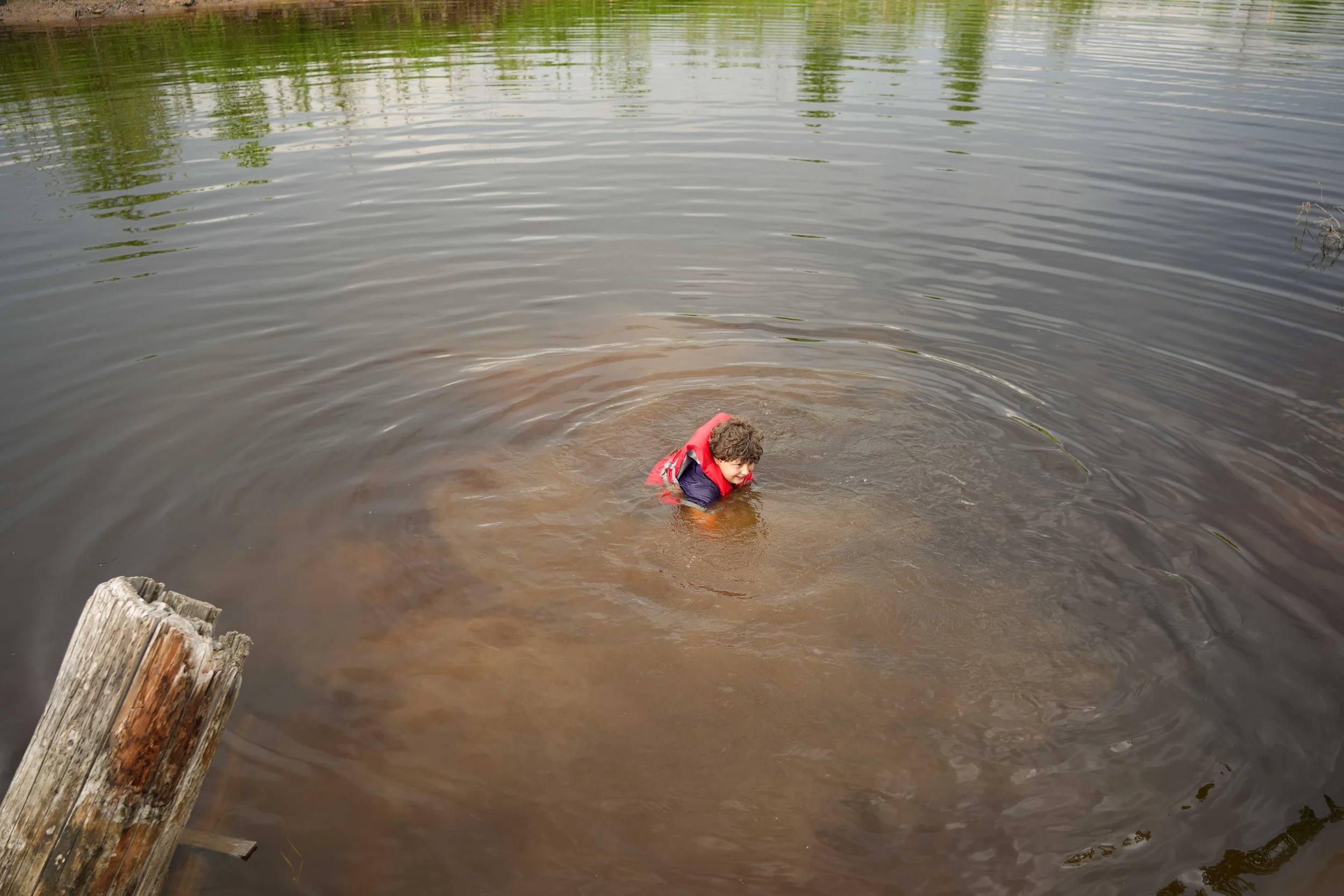
The river’s natural root beer color comes from organic materials—not pollution. Because the river is always moving and Area of Concern cleanup work continues, conditions can change, so always check monitoring services before swimming.
-
Minnesota Beach Monitoring
The Minnesota Department of Health provides beach monitoring information, advisories, and water quality updates for Minnesota beaches.Wisconsin Beach Closings & Advisories
View the statewide beach closings and advisories map from the Wisconsin Department of Health Services for current conditions in Wisconsin.Park Point Beach Conditions
Visit Park Point Beach to learn more about swimming conditions, water safety, and current advisories on Park Point.Estuary Monitoring – National Estuarine Research Reserve
The Lake Superior National Estuarine Research Reserve has been collecting water quality data in the estuary since 2012. Their team maintains monitoring stations and shares real-time information on conditions at locations including Barkers Island and Pokegama Bay.Safe Swimming Guidance – Wisconsin Sea Grant
Wisconsin Sea Grant provides guidance on swimming locations, algal blooms, and potential hazards in the estuary. Their Enjoy the St. Louis River Estuary Safely resource is also available as a printable PDF.

Fishing Regulations
The St. Louis River estuary offers some of the most diverse fishing opportunities in the western Lake Superior region, with accessible options for anglers of all experience levels—from shore, pier, or boat.
As a designated border water between MN and WI, anglers with a valid license from either state may fish most shared boundary waters. However, seasons, size limits, and harvest rules can vary by location and species. Before fishing, review current regulations.
A valid fishing license is required for anyone age 16 and older.
Never release unused bait or bait water, as this can spread invasive species. Instead, dispose of bait in the trash and dump bait water on land away from the shoreline.
Prevent the Spread of Invasive Species
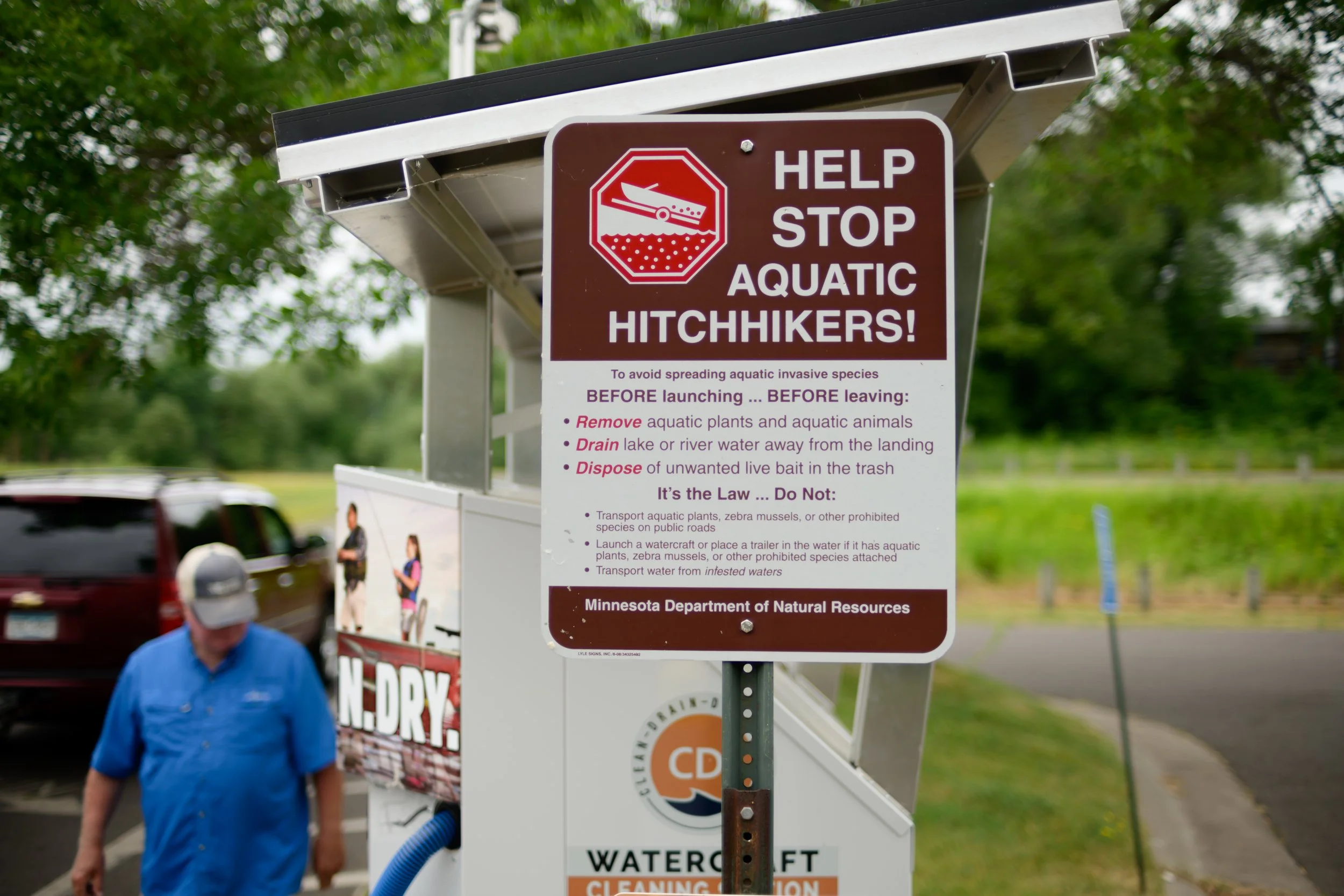
To protect the St. Louis River estuary and other waterways, all boats and equipment must be cleaned, drained, and dried before entering or leaving the water. Follow these steps to keep our waterways healthy:
Clean: Remove all plants, mud, and debris from boats, trailers, and gear.
Drain: Empty all water from livewells, bilges, and equipment.
Dry: Allow boats, paddles, and gear to fully dry before use in another waterway.
Hunting and Trapping
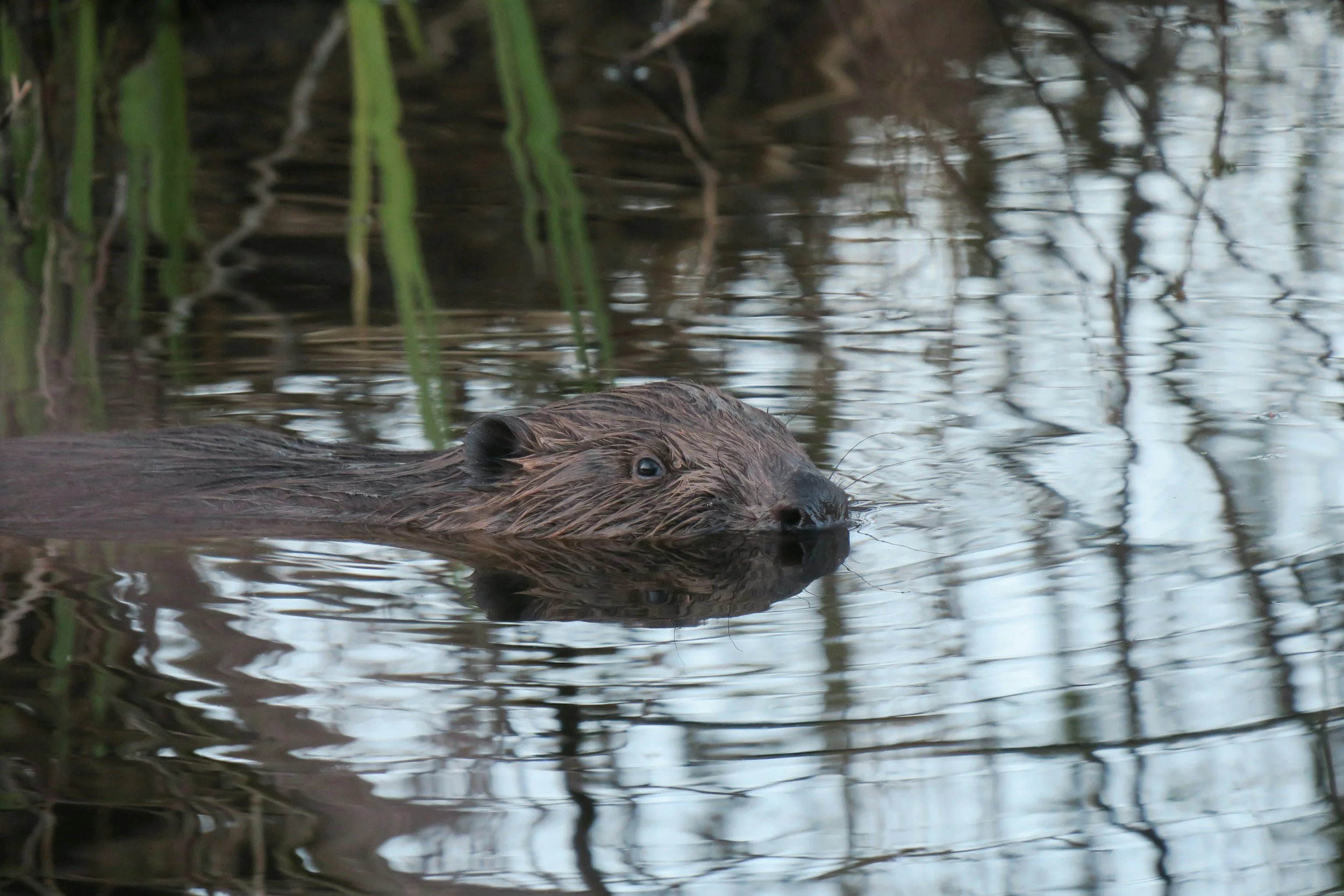
The St. Louis River estuary provides vital habitat for waterfowl, furbearers, and other wildlife, making it a popular spot for hunting and trapping. Common activities include waterfowl hunting and trapping species like beaver and muskrat. Hunting and trapping on the river are allowed only in Wisconsin—see the links below for season dates and license requirements.