

River Etiquette

The St. Louis River Estuary National Water Trail is a shared, multi-use waterway. Help keep it safe and welcoming for everyone:
Share the channel: Stay right in narrow areas and don’t block launches or docks.
Be visible: Wear bright colors, use lights in low visibility, and travel in small, predictable groups.
Yield to larger vessels: Commercial and motorized boats may be limited to deep channels and cannot stop quickly. Stay clear.
Respect anglers and wildlife: Give fishing lines, nesting birds, and sensitive habitats plenty of space.
Be courteous at access points: Prepare gear away from ramps and move promptly after launching or landing.
Permits & Launch Fees
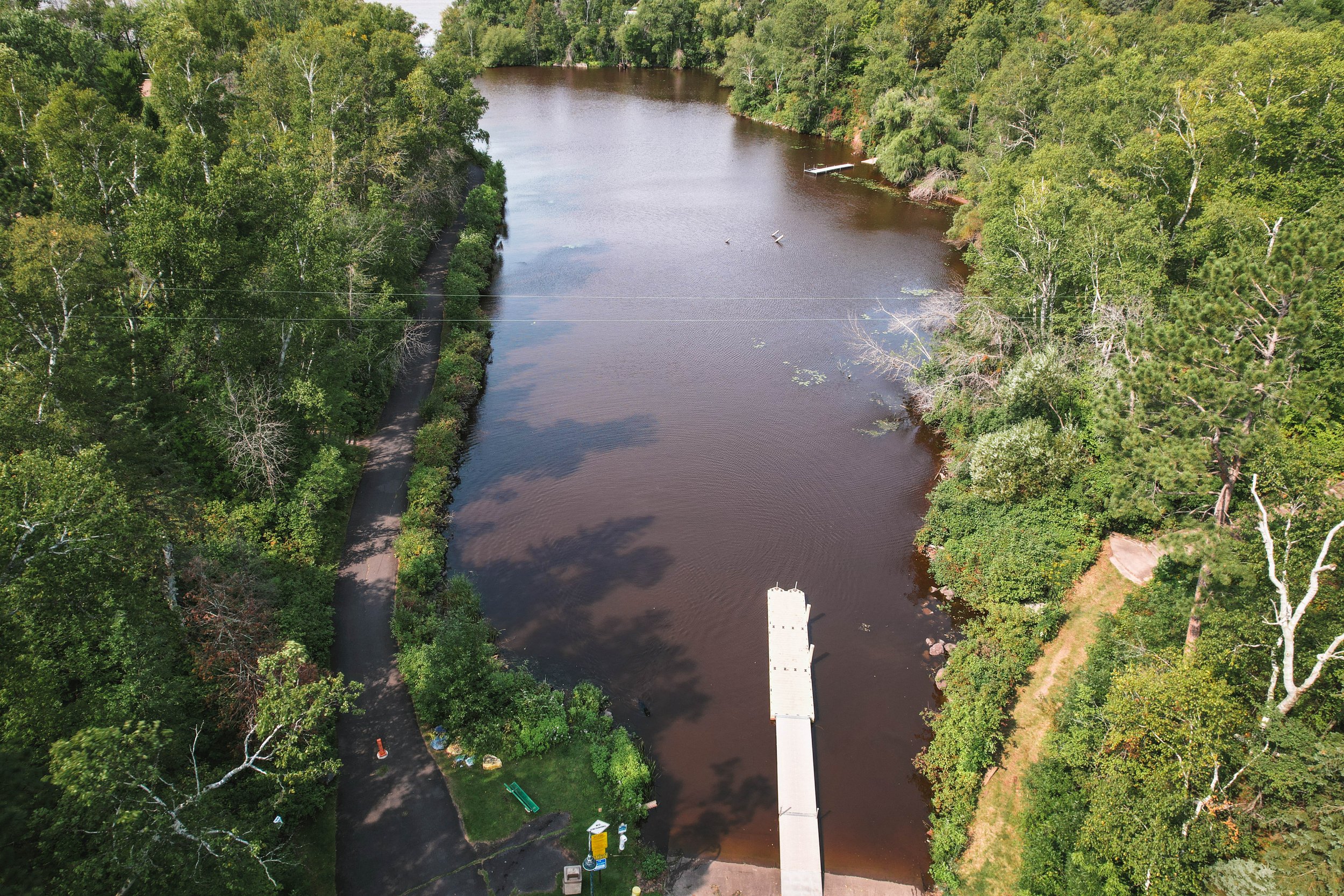
Yearly or daily permitting for boat and kayak trailers is required at Superior, Wisconsin landings, but is not required at Minnesota landings. For more information on permitting, and where to purchase hangtags, visit the City of Superior’s Permit page.
Thank you for supporting the maintenance and safety of these boat launches.
Respect Private Land
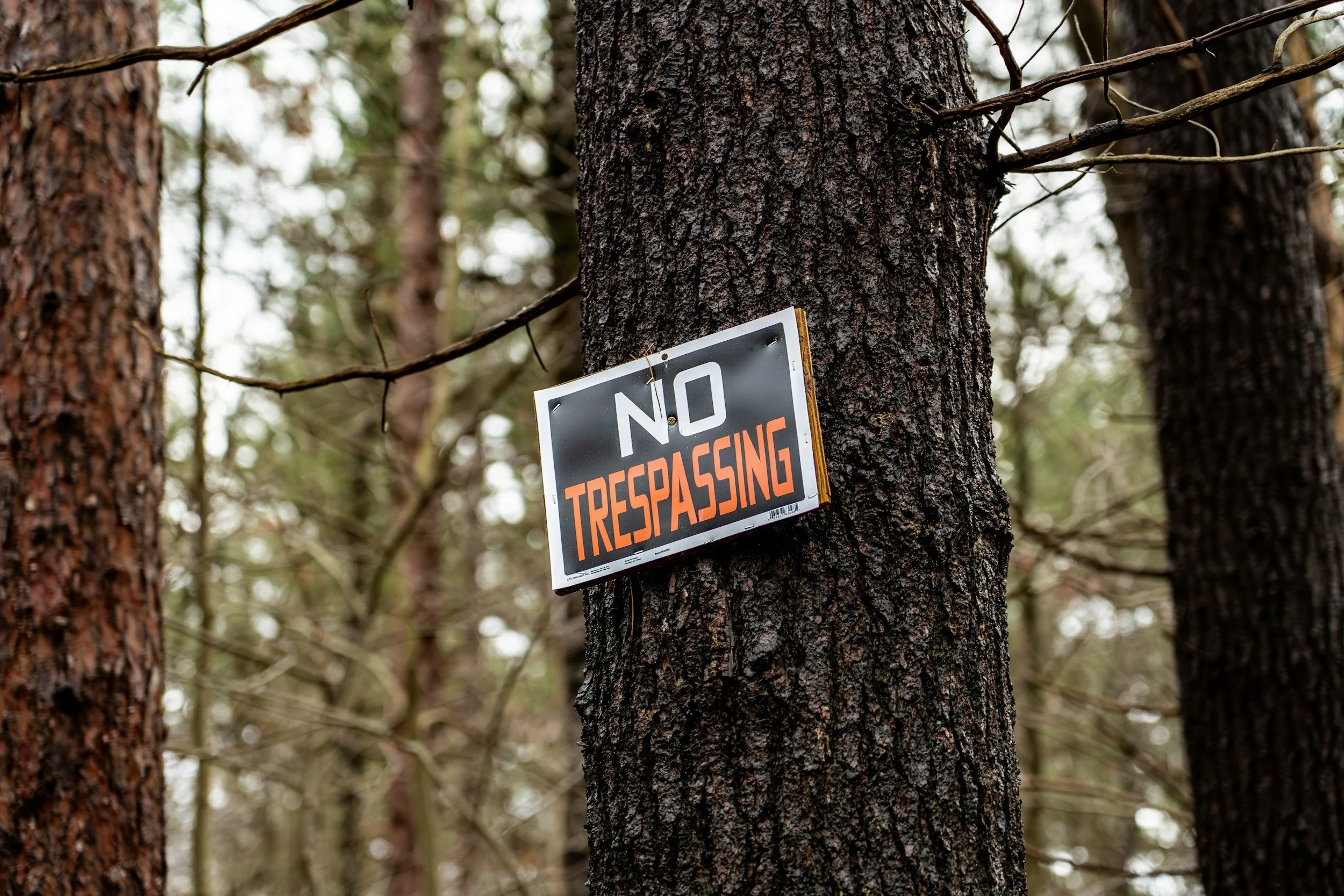
Much of the shoreline along the St. Louis River Estuary is privately owned. Please stop only at designated public access points and signed campsites. While the river itself is a public resource, adjacent lands should be considered private unless clearly marked otherwise on an official map or sign. Always respect No Trespassing and No Hunting signs.
Leave No Trace
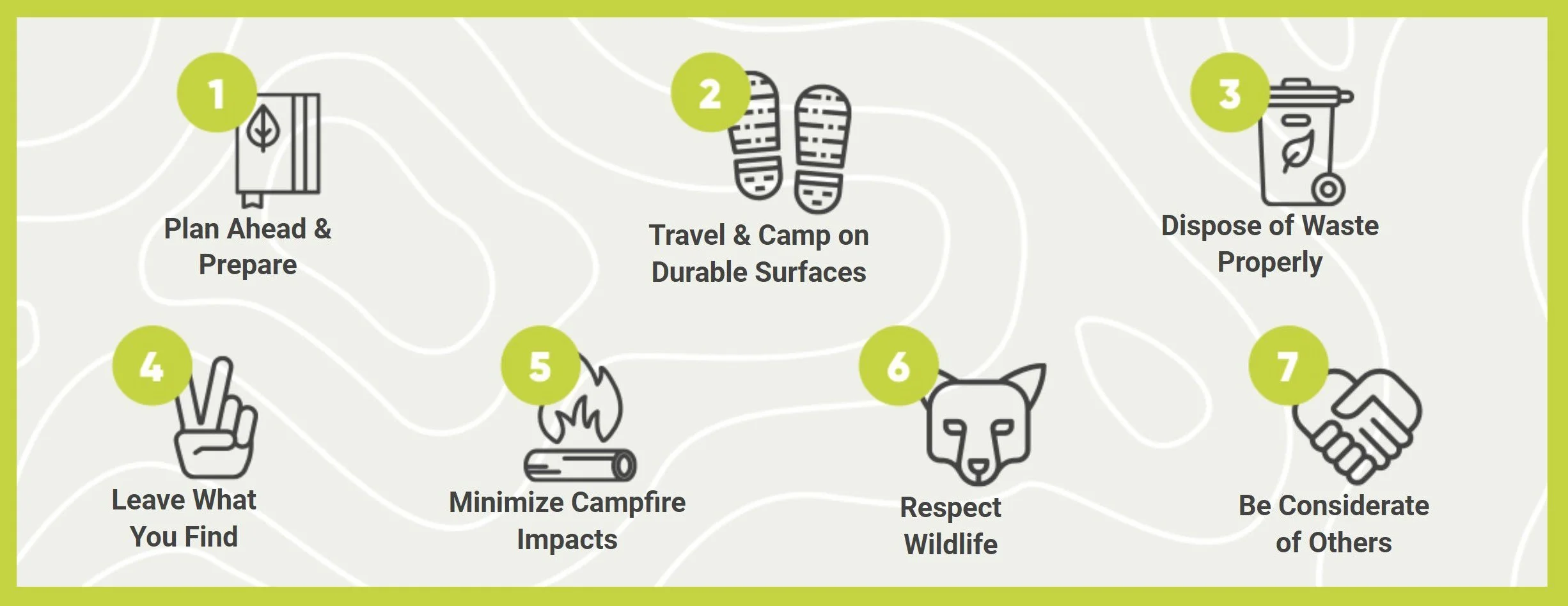
Help protect the St. Louis River Estuary by following the Leave No Trace principles. Plan ahead, stay on durable surfaces, and pack out all trash and food waste. Leave plants, wildlife, and cultural sites undisturbed, use established campsites and fire rings where permitted, and respect other visitors on the water and shore.
That means don’t throw your banana or orange peel on the shore, collect all monofilament line, use restrooms whenever possible, pack out what you bring in! These simple steps help preserve the estuary for future generations.
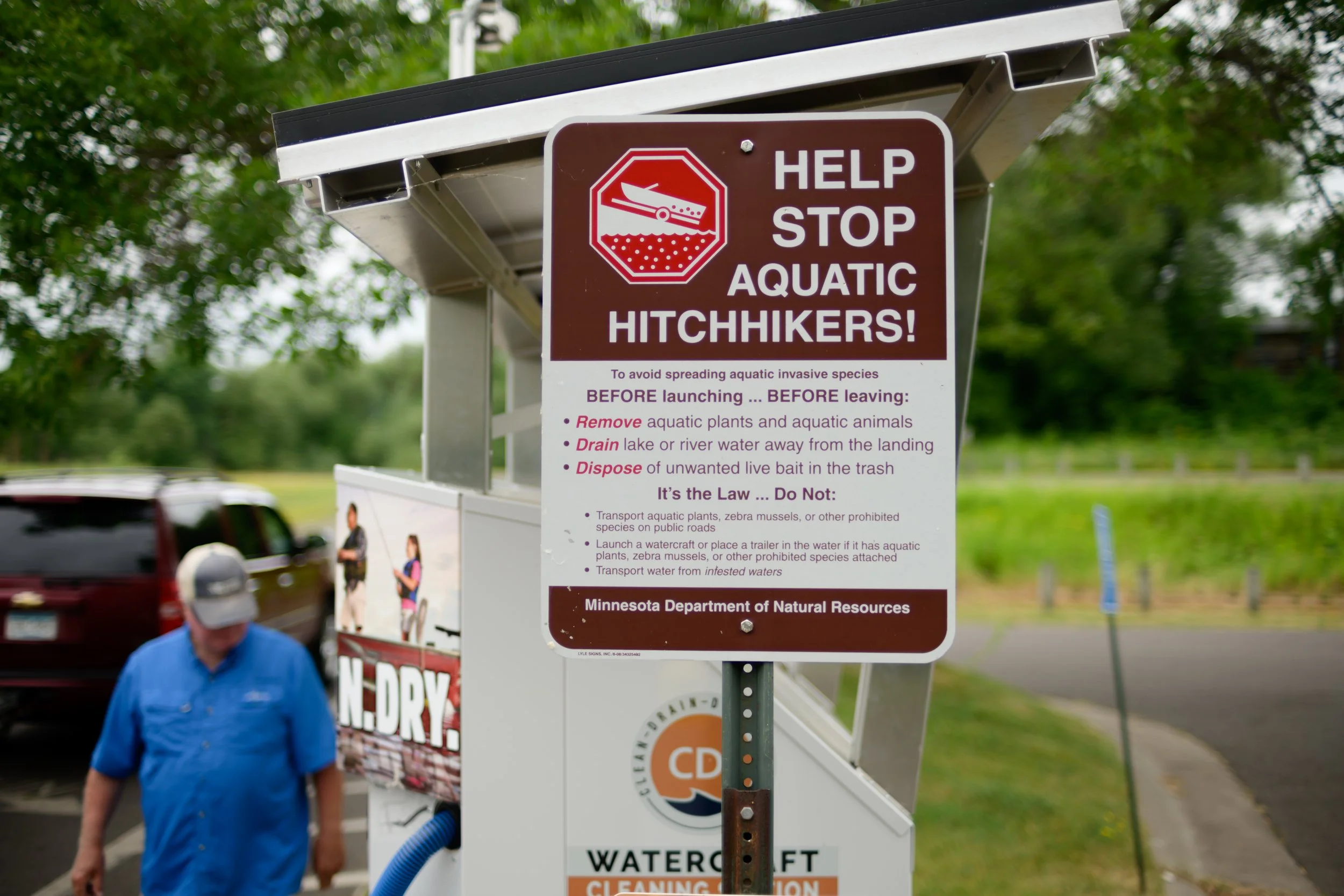
Prevent the Spread of Invasive Species
To protect the St. Louis River estuary and other waterways, all boats and equipment must be cleaned, drained, and dried before entering or leaving the water. Follow these steps to keep our waterways healthy:
Clean: Remove all plants, mud, and debris from boats, trailers, and gear.
Drain: Empty all water from livewells, bilges, and equipment.
Dry: Allow boats, paddles, and gear to fully dry before use in another waterway.