Allouez Bay Phase 2: Setting Goals for Successful Restoration
Article provided by Molly Wick, Wisconsin Department of Natural Resources
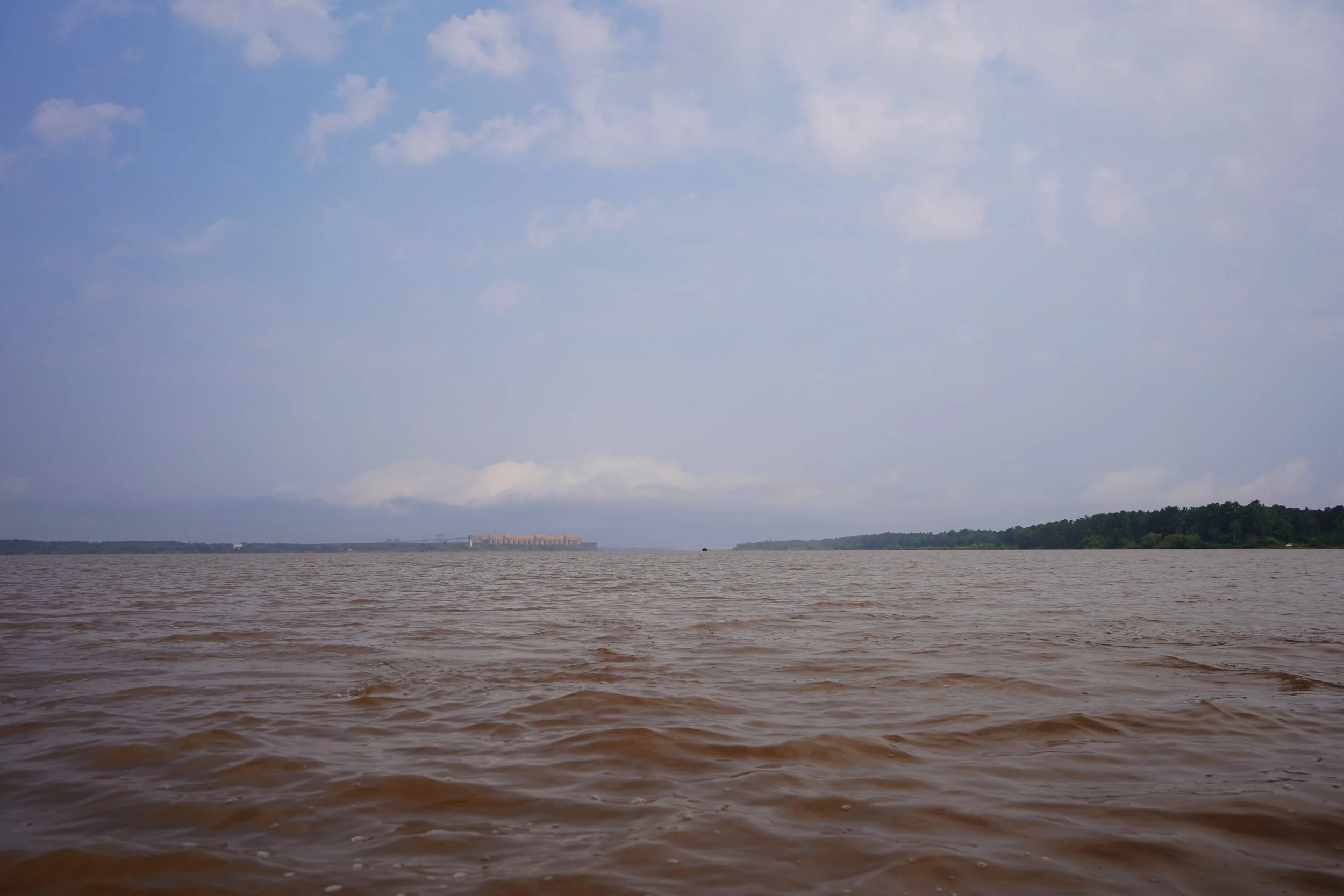
Photo: Open water at Allouez Bay in Superior, Wisconsin
The Wisconsin Department of Natural Resources (WDNR) is working with the US Army Corps of Engineers (USACE) along with many partners to scope out a restoration project in Allouez Bay. The goal is to design a project that reduces wave energy and protects the bay’s high-quality coastal wetlands. By calming the water, the project will help plants grow back, which in turn creates better habitat for fish, birds, and other wildlife. It will also improve recreation opportunities and make the wetlands more resilient over time.
To read about the background of this project, view the project overview here or a recent project update here.
Currently, partners and specialists are working together to develop goals for Phase 2. So far, the project has focused on big-picture ideas like reducing wave energy and improving habitat. As planning moves forward, more detailed goals are needed to guide the design.
Restoration goals are most useful if they are “SMART goals”:
● Specific – What exactly will be accomplished by meeting this goal?
● Measurable – To what extent or degree will the goal be implemented?
● Actionable – Is to goal do-able? Are necessary skills and resources available?
● Relevant – Does the goal meet broader objectives? Is it important?
● Timely – What is the time frame for accomplishing the goal?
This framework helps ensure that a project’s goals are clear and attainable. It also informs what actions should be undertaken, and what adaptations should be made if goals are not met.
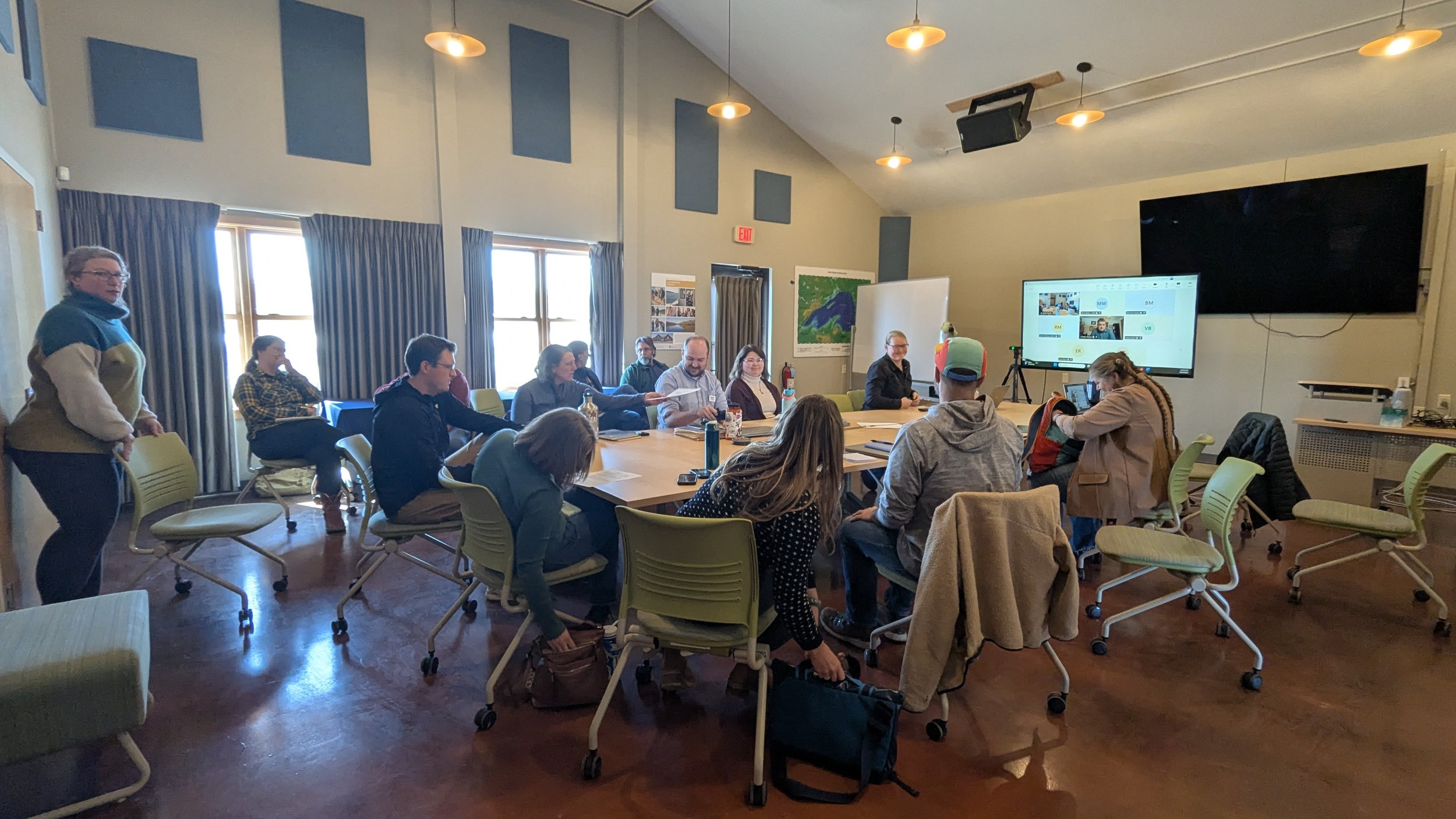
Photo: The Allouez Bay Partner team and environmental specialists met at the Lake Superior National Estuarine Research Reserve in late March to discuss project goals.
A large group of local wetland specialists, wildlife and fisheries biologists, ornithologists, water quality specialists, social scientists, and planners are teaming up to share data and information and discuss goals for the project. Goals will focus on the desired extent and quality of wetland vegetation, bird habitat, and fish habitat.
In addition, goals about community impacts of the restoration project are being developed. These may include goals around maintaining or improving access and interpretive or recreation opportunities. These community-focused goals will be informed by input collected by the St. Louis River Alliance (SLRA) at past and ongoing events. To participate and share your ideas and desires, join the Alliance at an upcoming event.
Final goals will be selected and adopted in the coming months as the scoping stage of the project wraps up. These goals will be used to inform the detailed design process. This is anticipated to start later this year or early next year, pending funding. Sign up for the St. Louis River Alliance’s Newsletter for more information and updates as this project moves forward.