Manoomin/wild rice planted in sections of the St. Louis River Estuary
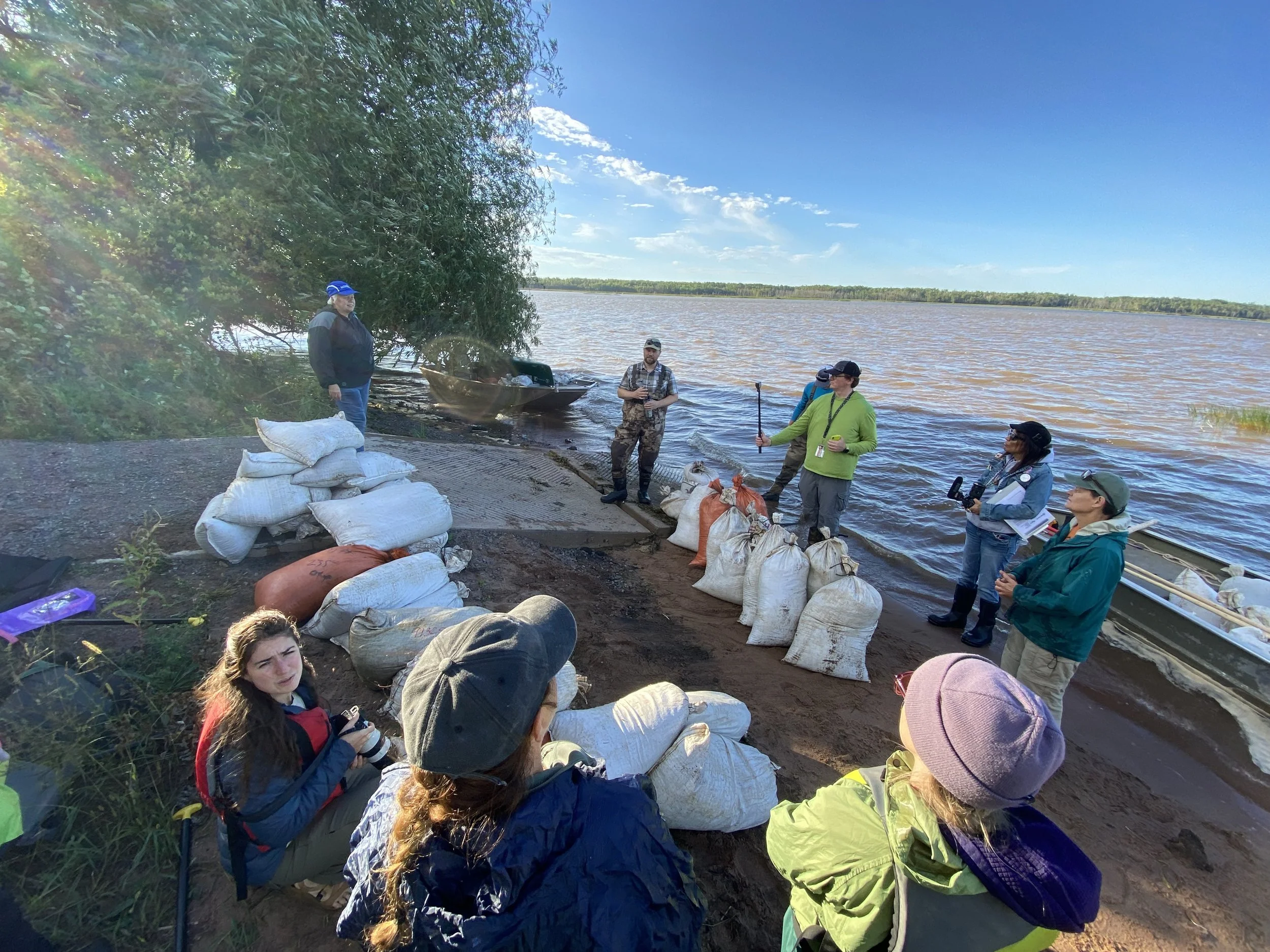
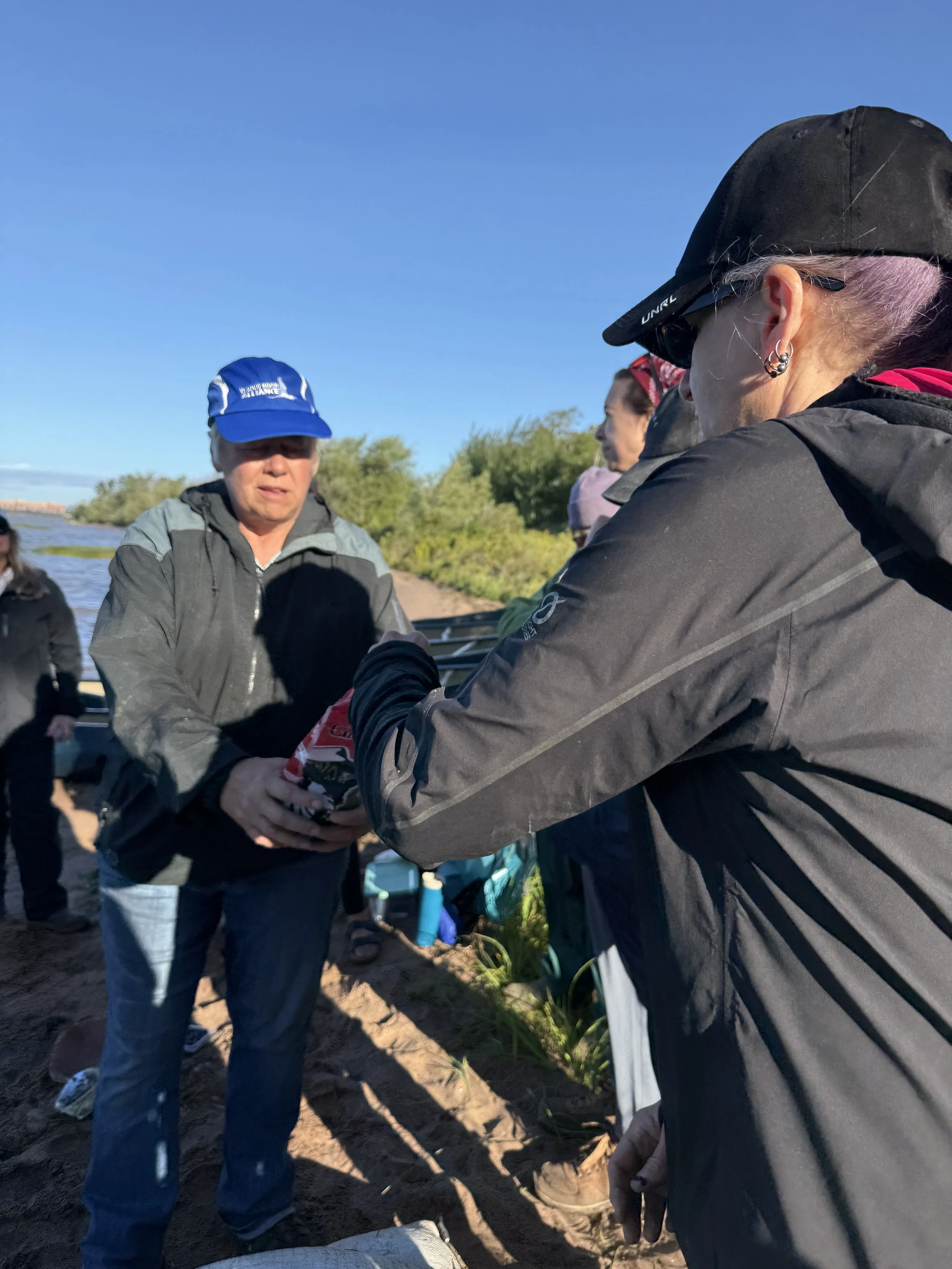
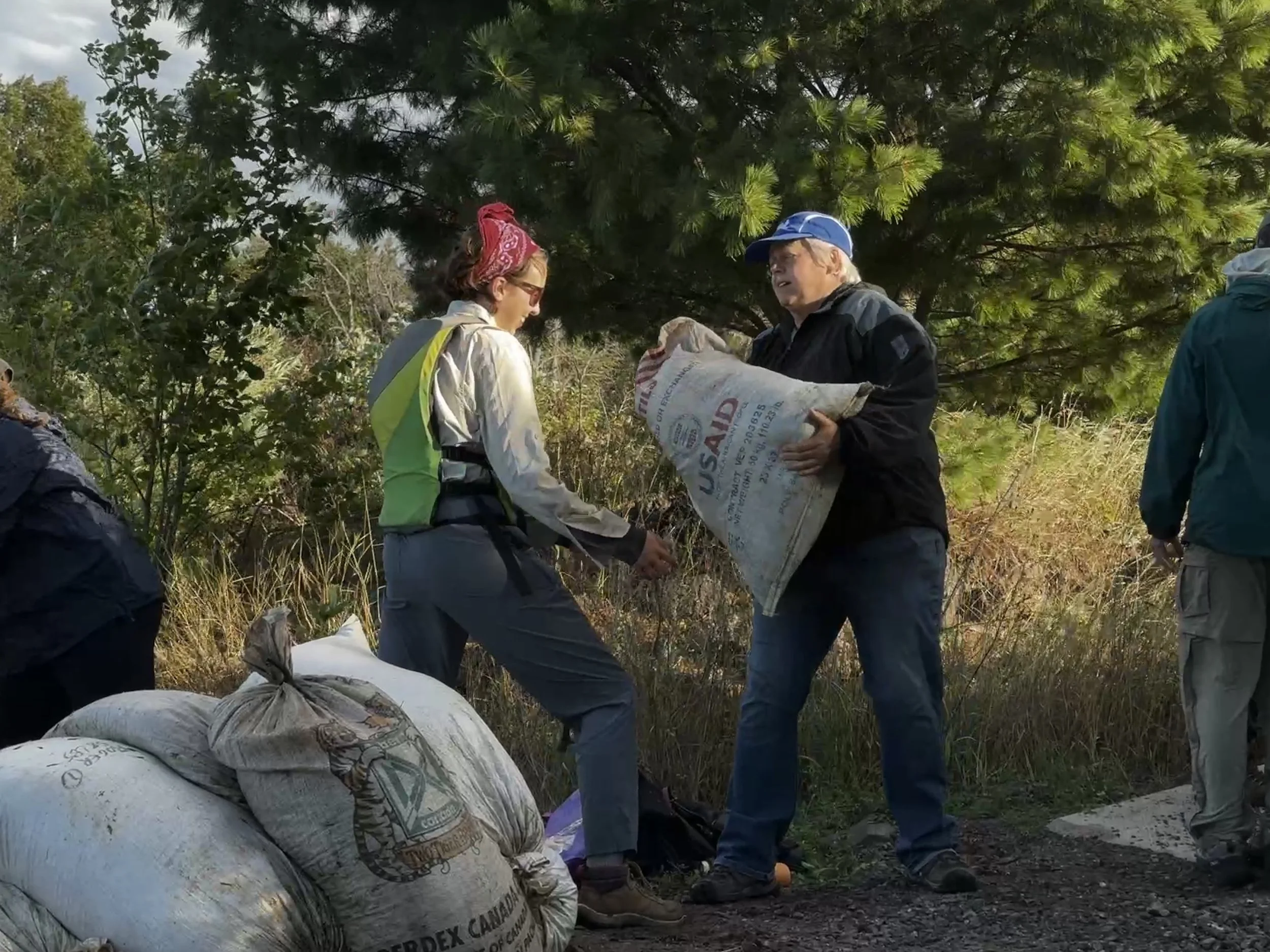
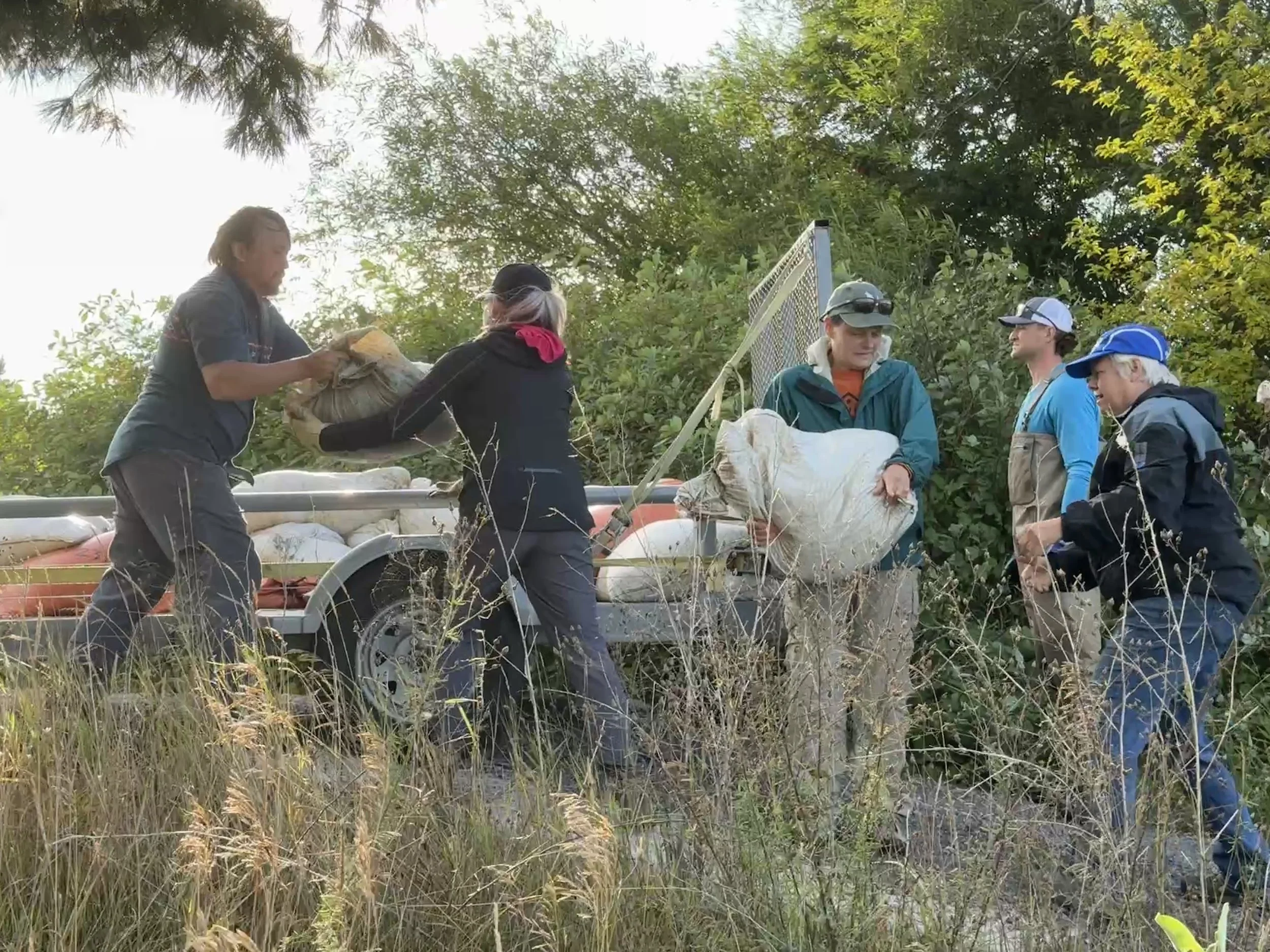
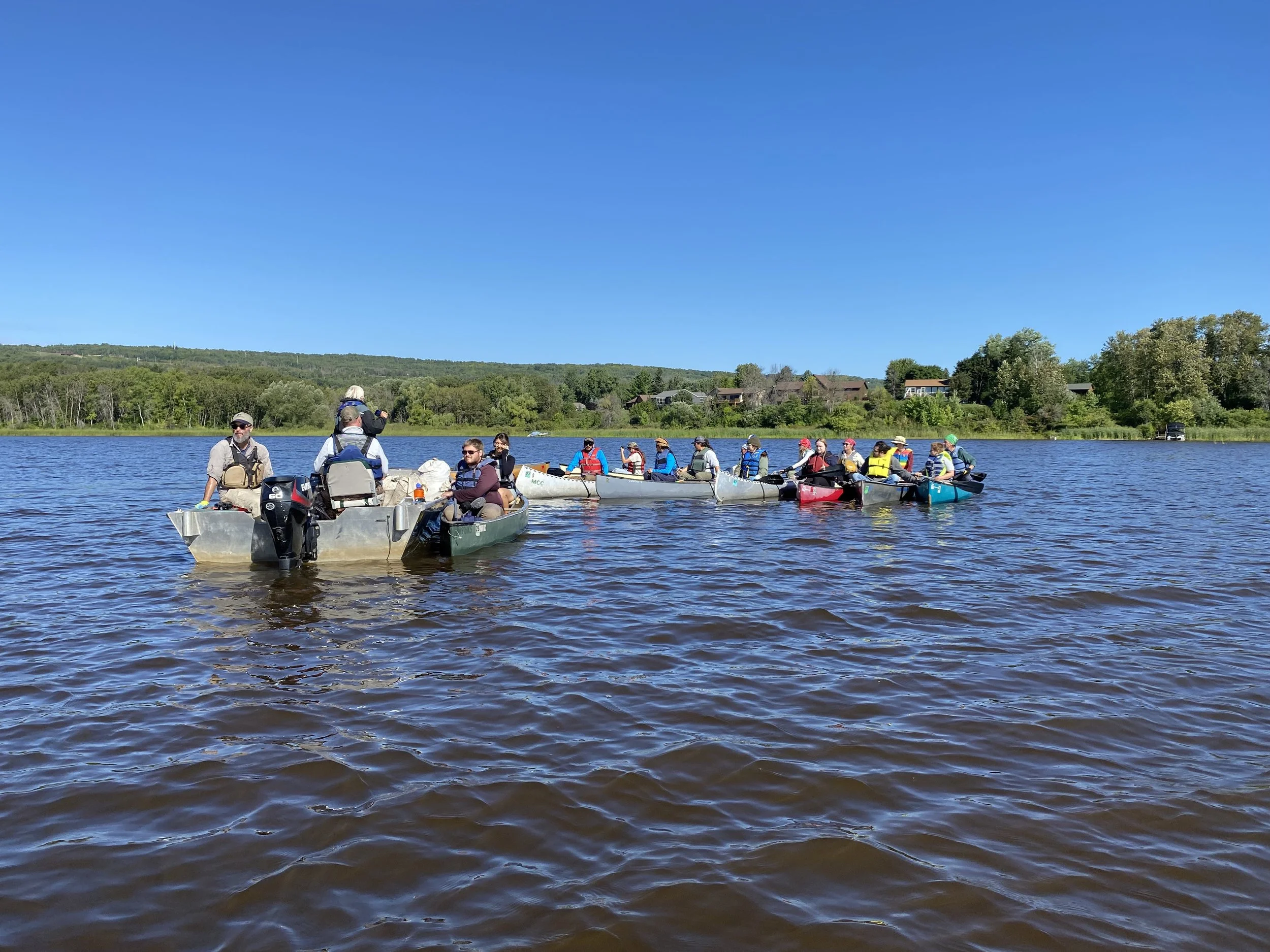
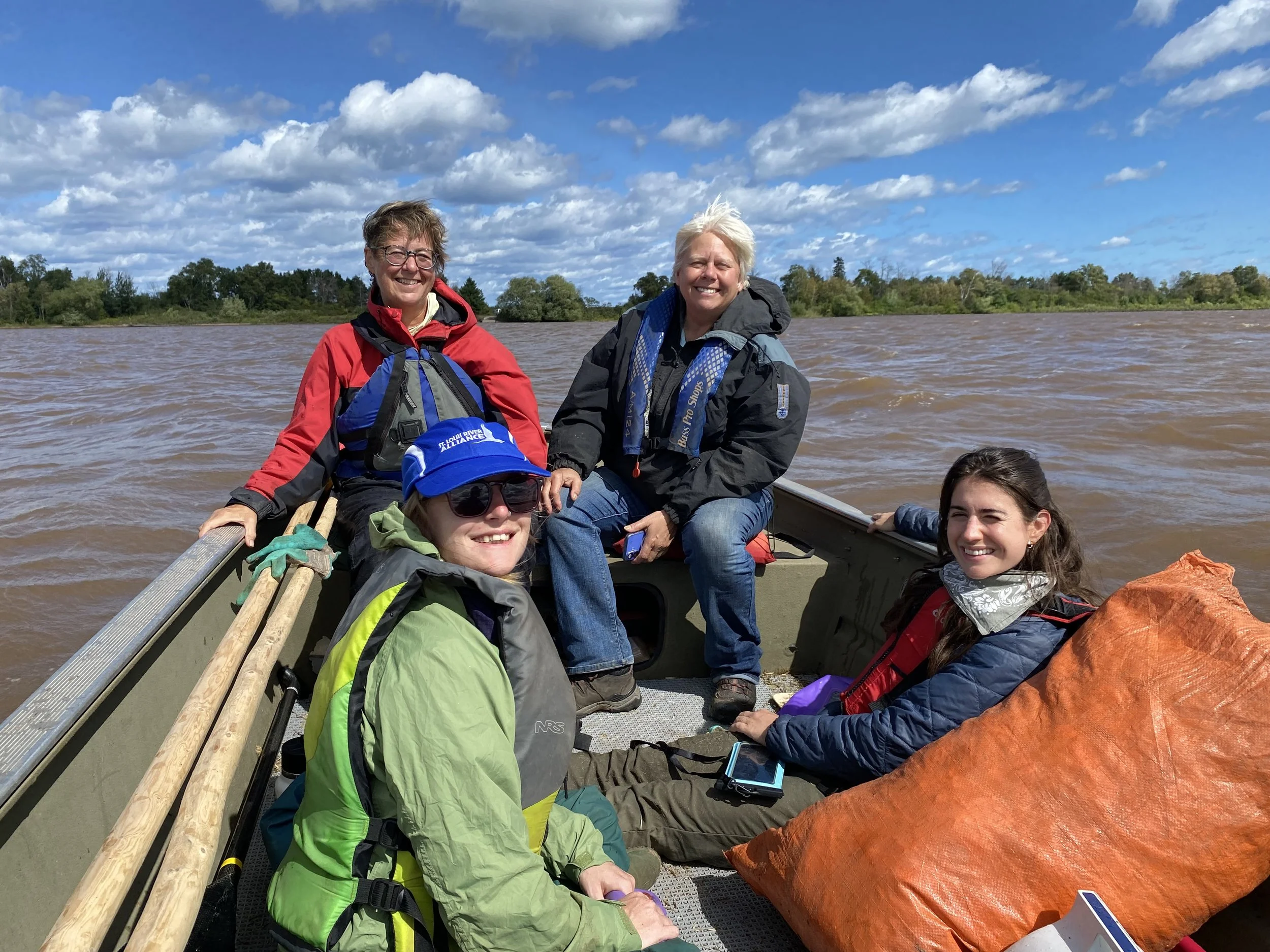
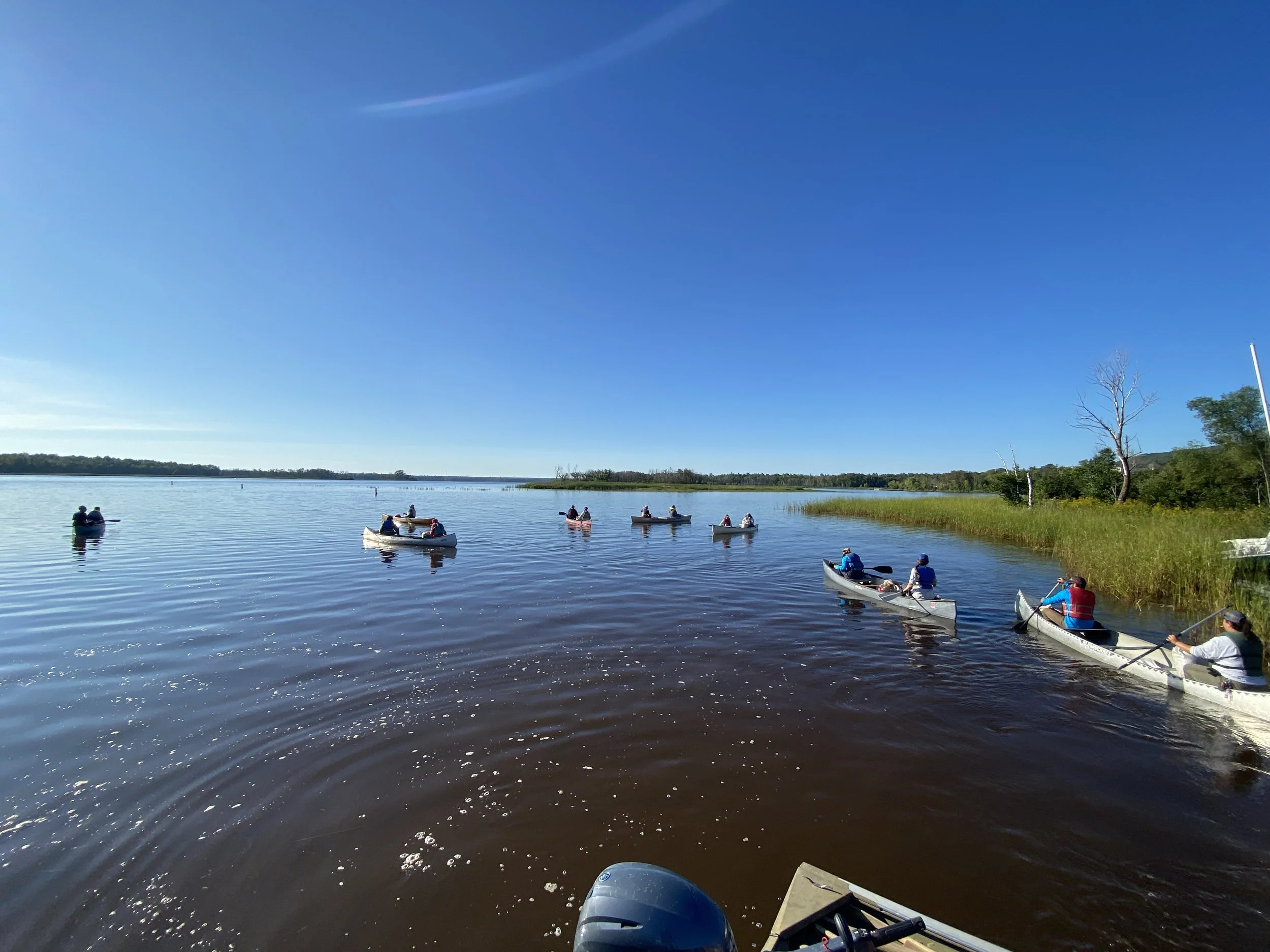
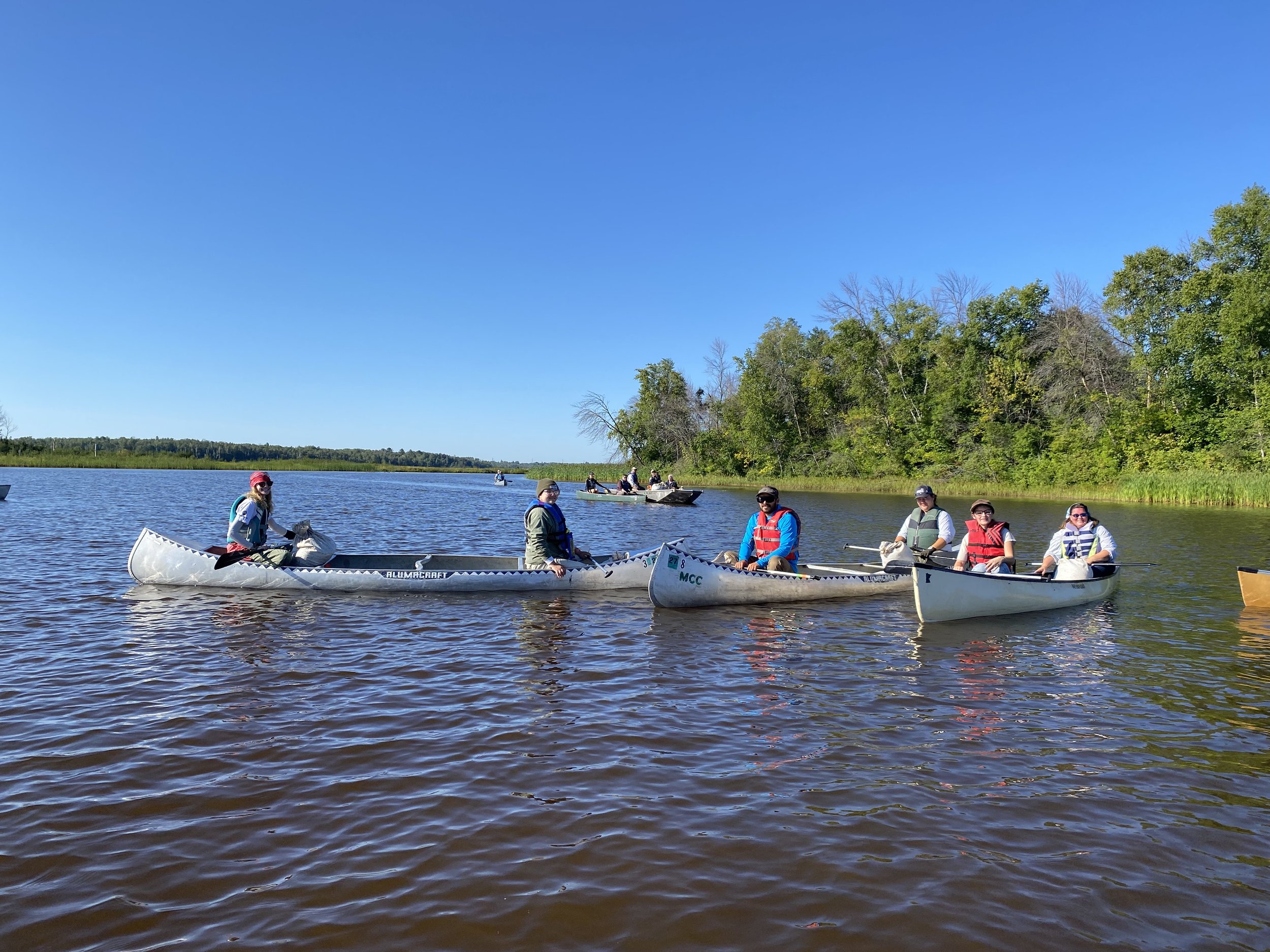
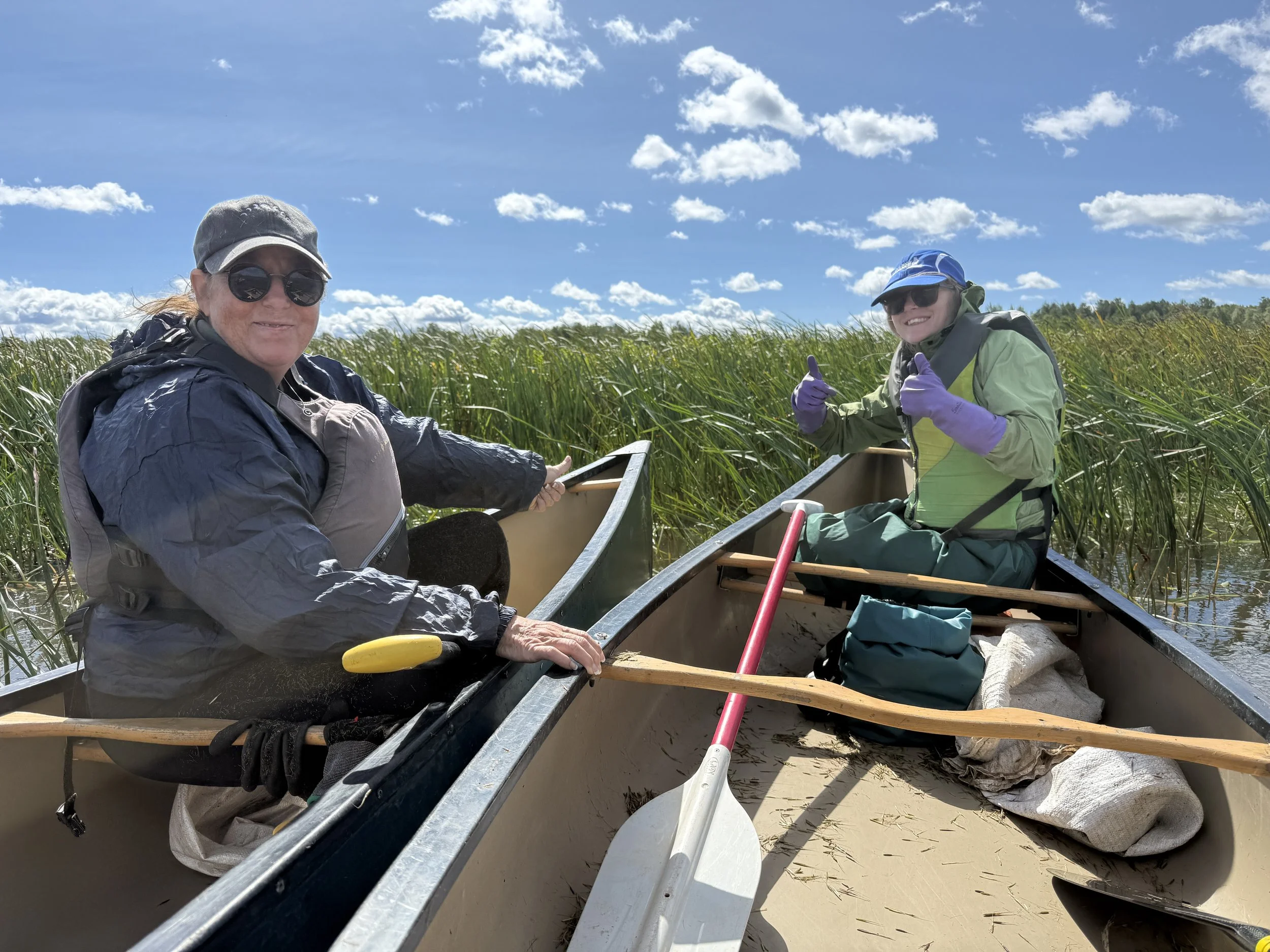
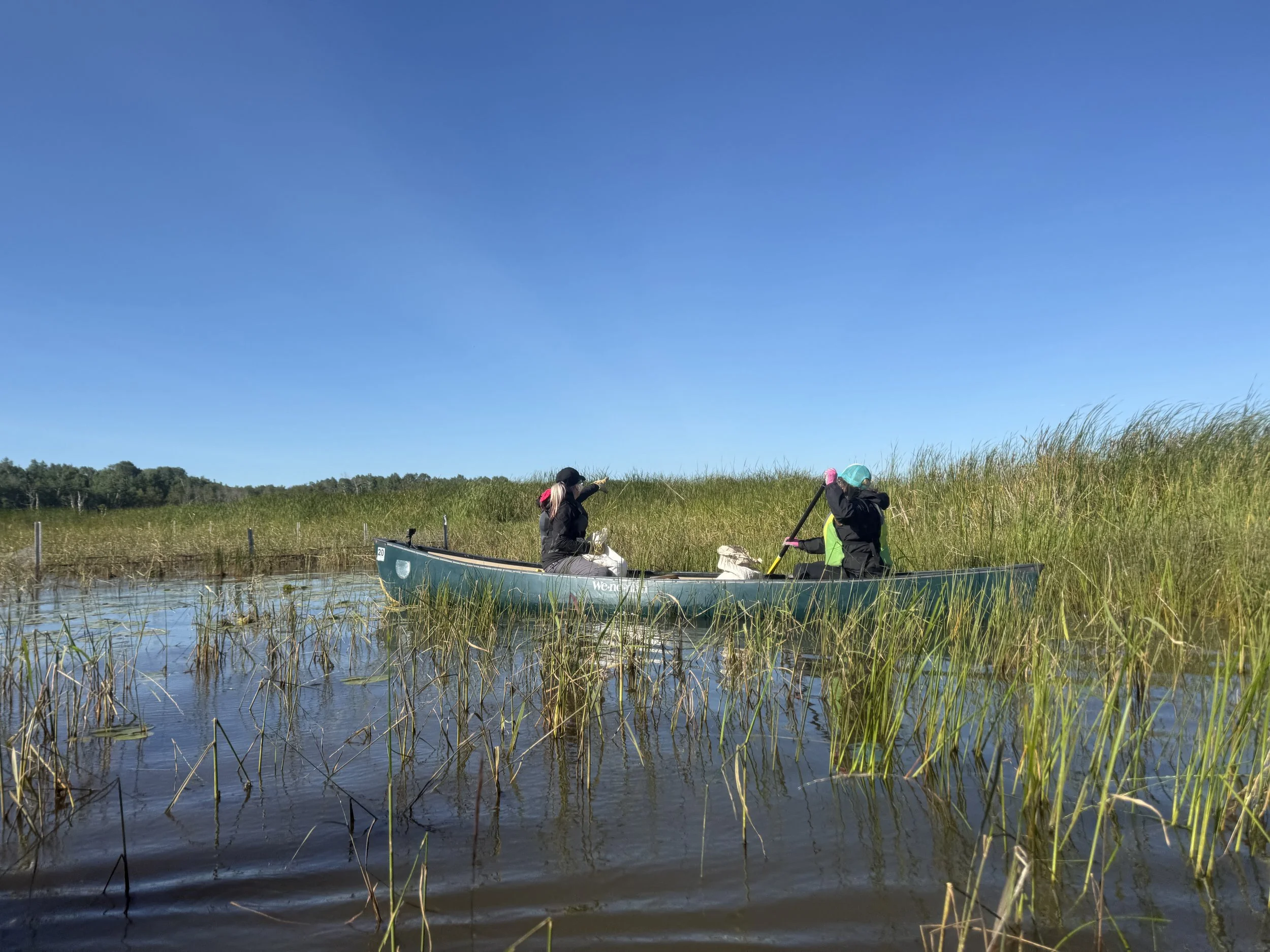
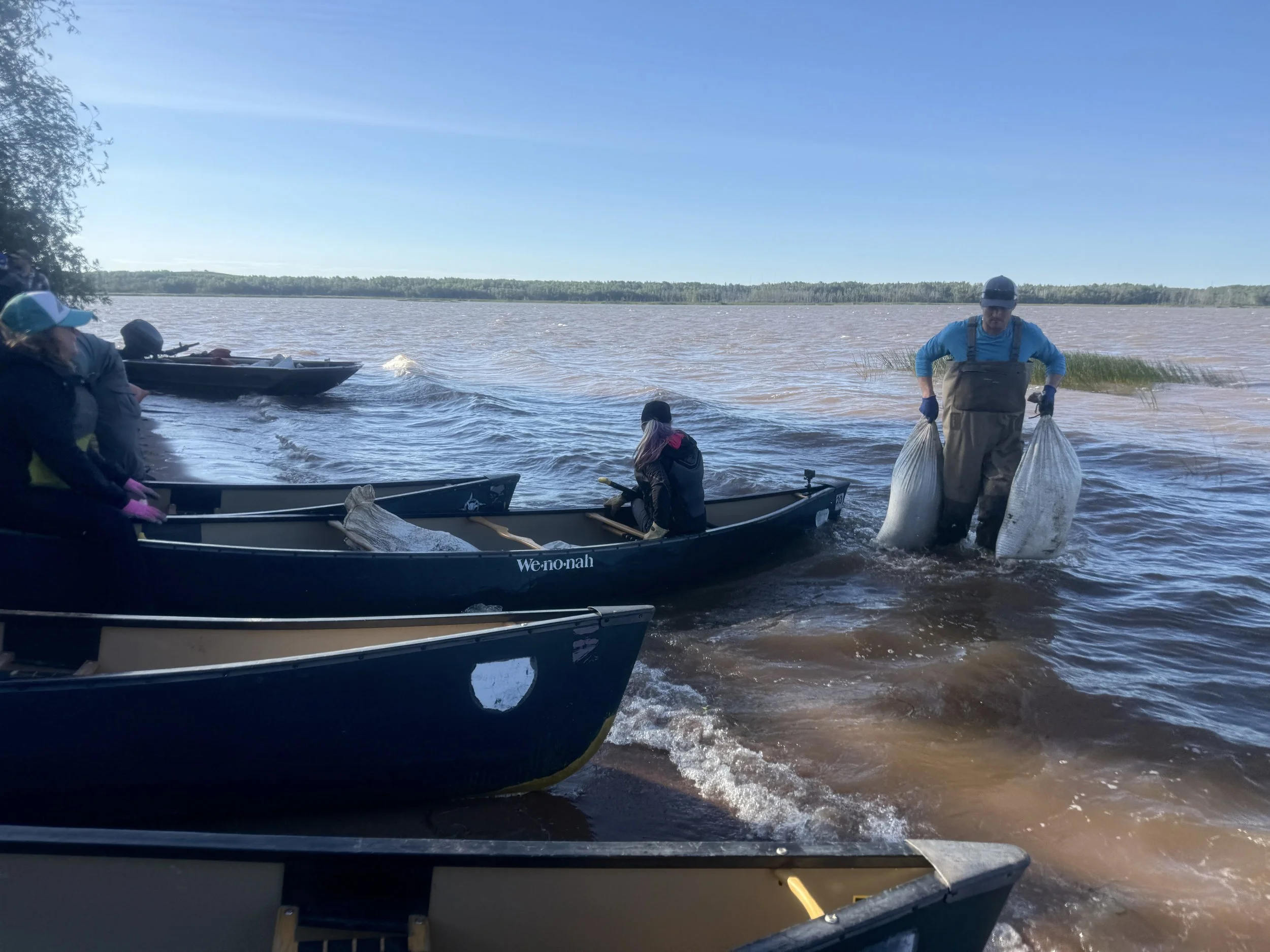
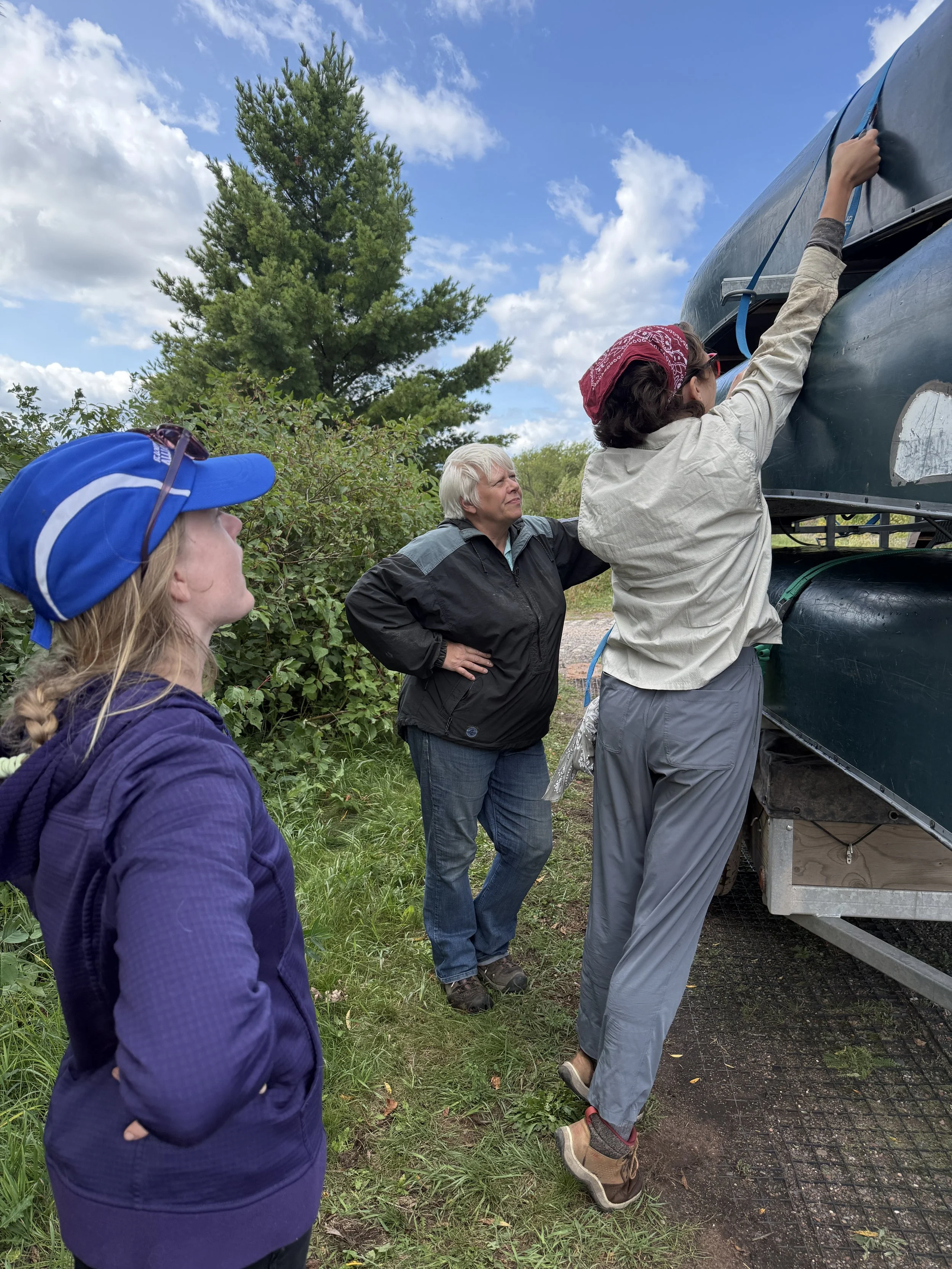
What an incredible experience to be out on the St. Louis River Estuary seeding Manoomin/wild rice! A total of 19 volunteers joined the St. Louis River Alliance and Wisconsin Department of Natural Resources across two sites in the St. Louis River Estuary: Allouez Bay and Kingsbury Bay on Wednesday, Sept. 9 and Thursday, Sept. 10. Over the two days of seeding, a total of 4,200 lbs was distributed over the two sites.
These two events are a part of a much larger effort across the St. Louis River Estuary to restore Manoomin (Ojibwemowin for “Northern Wild Rice”, Zizania palustris). This plant is a culturally and ecologically significant plant to the St. Louis River Estuary. Manoomin is a critical part of the Ojibwe migration story and has been harvested throughout the region. It is also an ecological indicator because it only grows in places that are free of pollution.
Due to industrial pollution throughout the St. Louis River over many decades, Manoomin became absent in places that were once teeming with wild rice. Because of the efforts to clean up pollution throughout the river, the Manoomin Restoration Partnership in the St. Louis River Estuary, which consists of both WI and MN agencies, Tribal governments and agencies, and non-profits, are working to re-establish at least 30 acres of self-sustaining Manoomin by 2026 and 60 acres by 2032. The St. Louis River Alliance has been working with the Wisconsin Department of Natural Resources to seed Manoomin in areas near Clough Island, Allouez Bay, and Kingsbury Bay since 2015.
At both events in Allouez Bay and Kingsbury Bay, volunteers gathered on shore for a spiritual ceremony led by Miranda Pacheco, member of the Leech Lake Band of Ojibwe, and an overview of the Manoomin Restoration Partnership from Matt Steiger with Wisconsin Department of Natural Resources. Volunteers paddled to restoration sites via canoes and seeded the Manoomin by hand.
Thank you to the incredible volunteers who joined us over the two days of seeding, especially braving windy conditions to make sure the Manoomin got planted. Thank you also to the Wisconsin Department of Natural Resources staff, Matt Steiger and Logan Kobus, for providing boat assistance and guidance for volunteers. A special thank you to Miranda Pacheco for leading the ceremony and starting the event in a good way.
You can learn more about how the St. Louis River Alliance is involved with Manoomin Restoration on our website: https://www.stlouisriver.org/wild-rice-project