You Shared, We Listened: Community Engagement for Allouez Bay and Wisconsin Point
Throughout 2025 and 2026, the St. Louis River Alliance worked alongside the Wisconsin Department of Natural Resources (WDNR) and Minnesota Land Trust (MLT) to help connect our community with ongoing restoration and planning efforts at Allouez Bay and Wisconsin Point. Together, we wanted to create more opportunities for residents to learn about these projects, share their perspectives, and connect with the people behind the work.
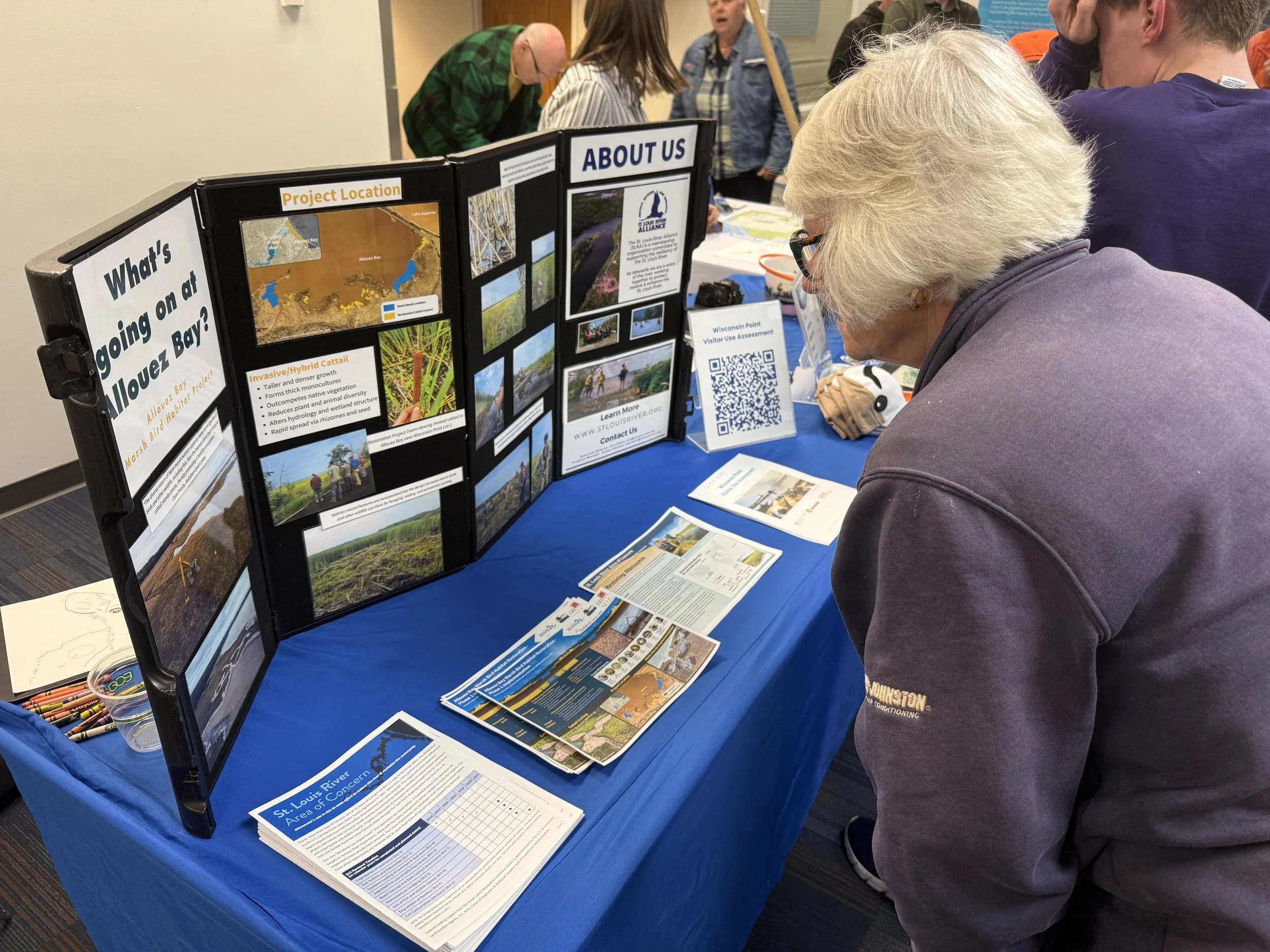
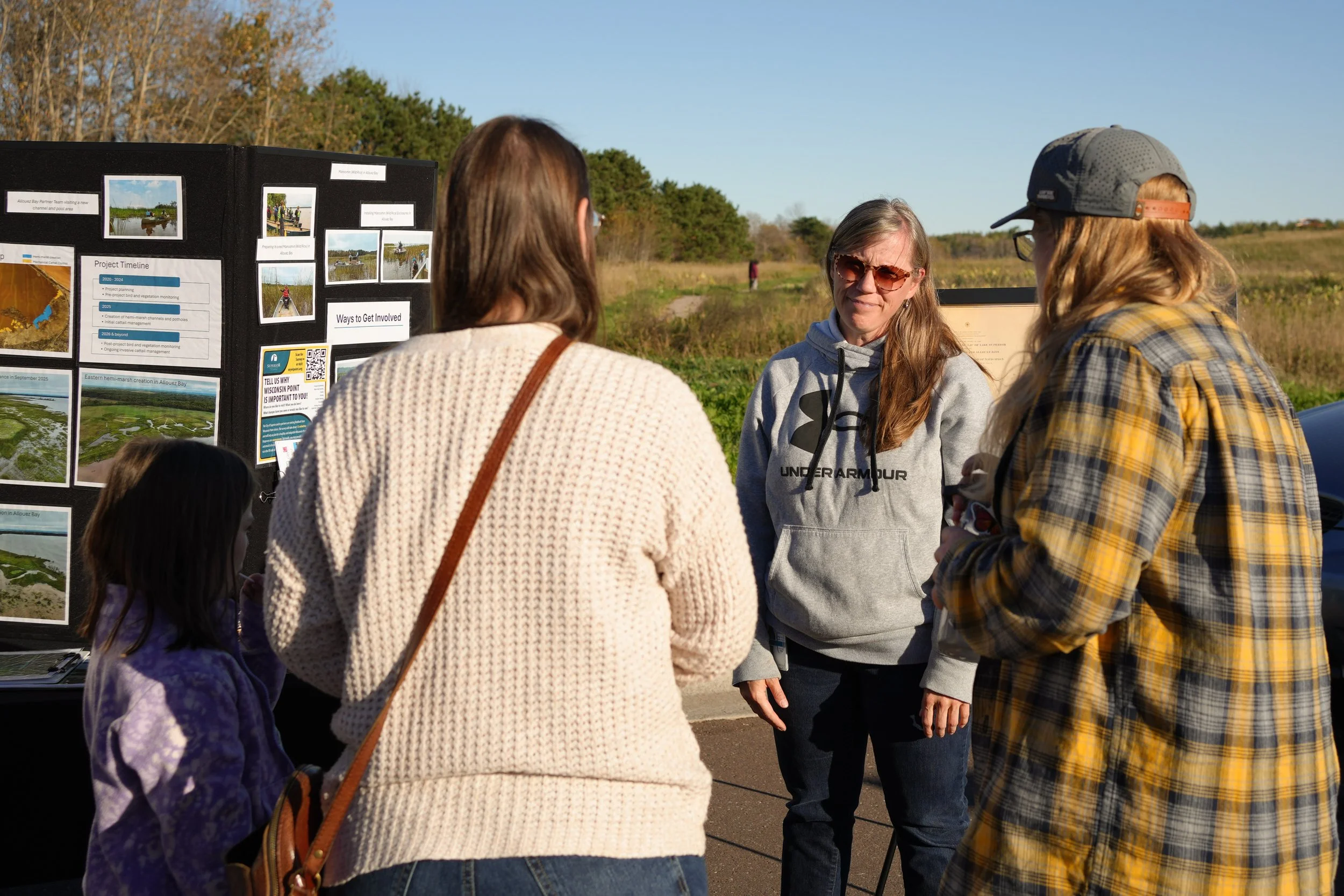
We started by getting out into the community and listening. Through the River Activities Questionnaire, community conversations, local events, and outreach to Superior neighborhoods, we learned more about how people use and value these places, what barriers keep them from getting involved, and what they hope to see in the future.
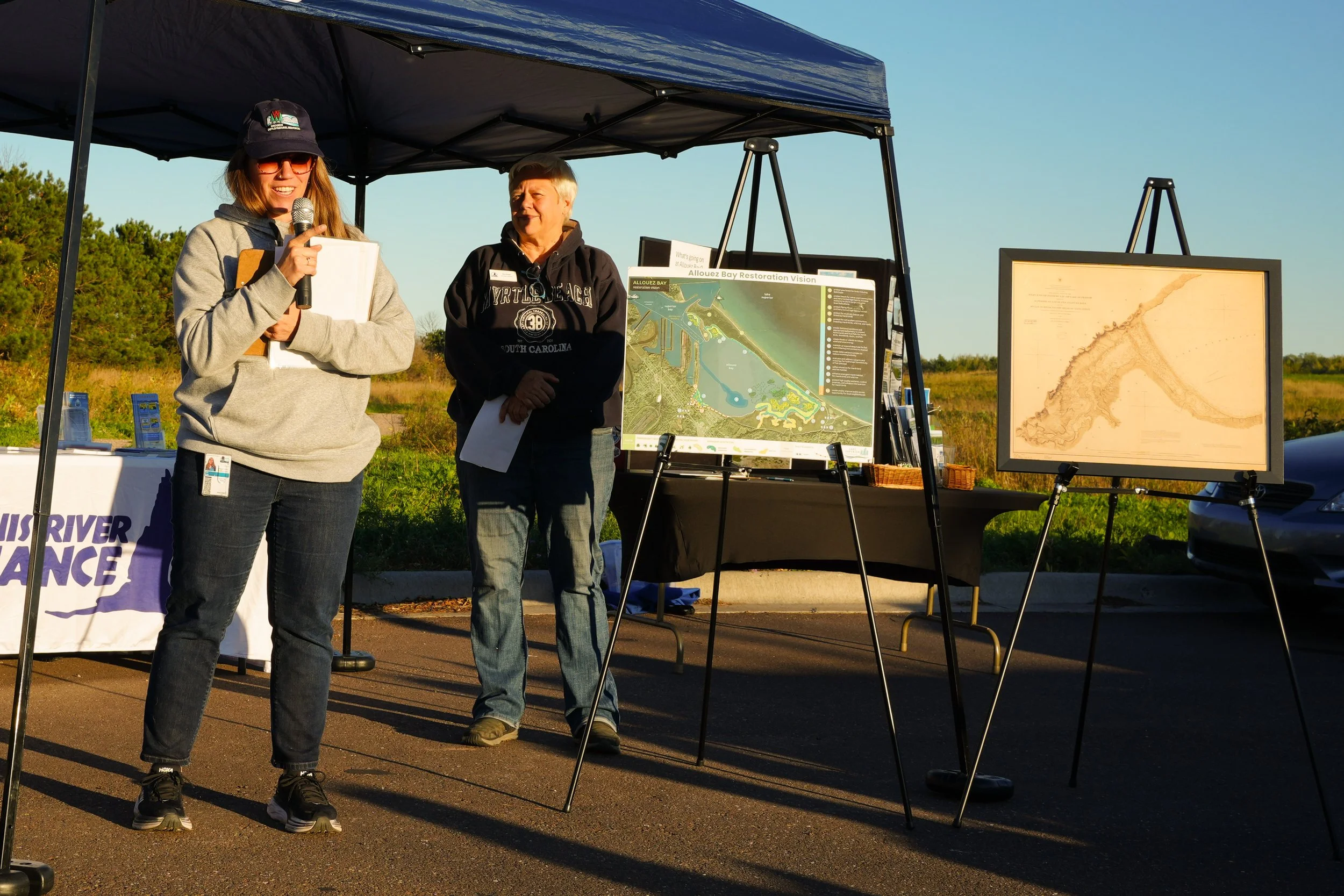
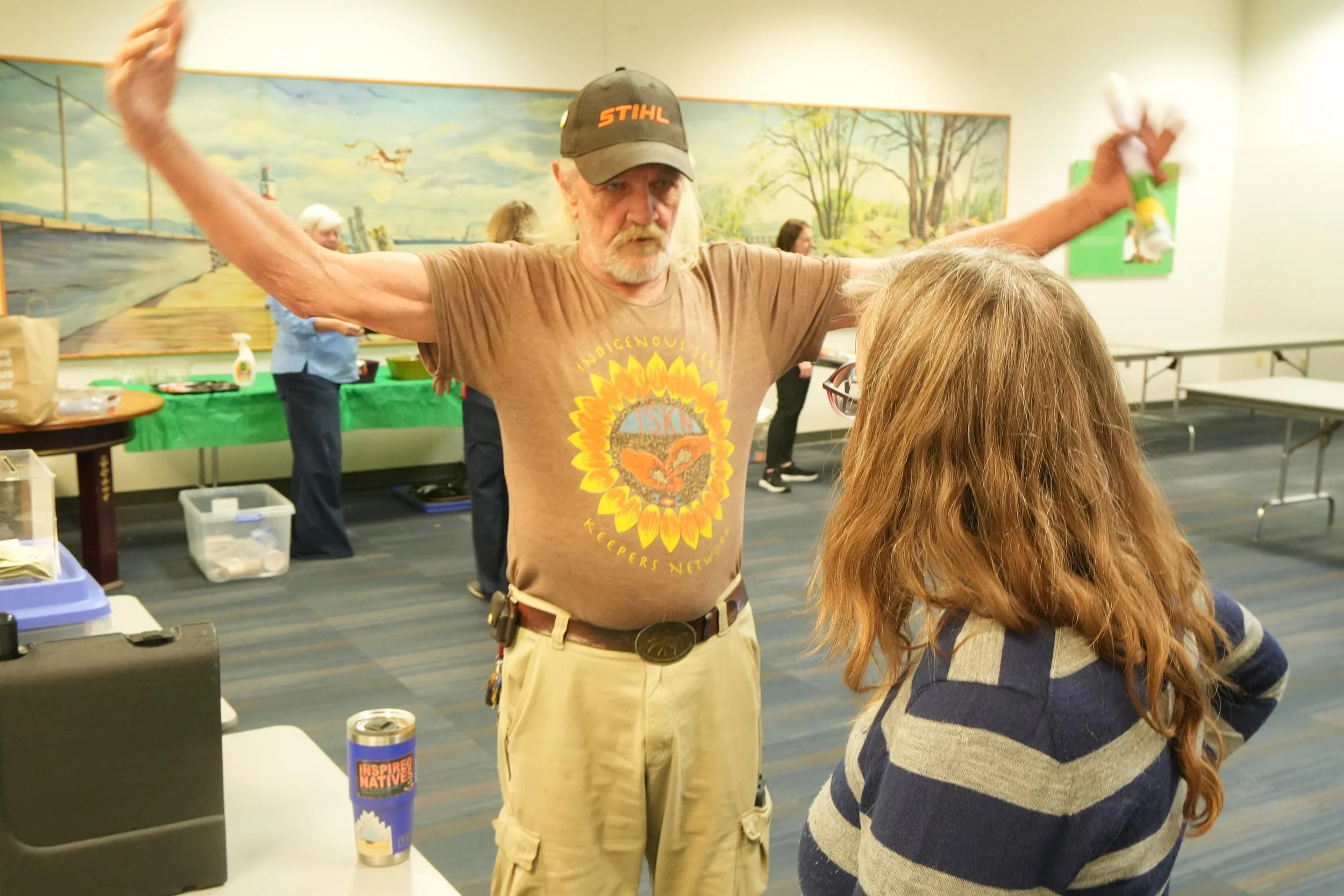
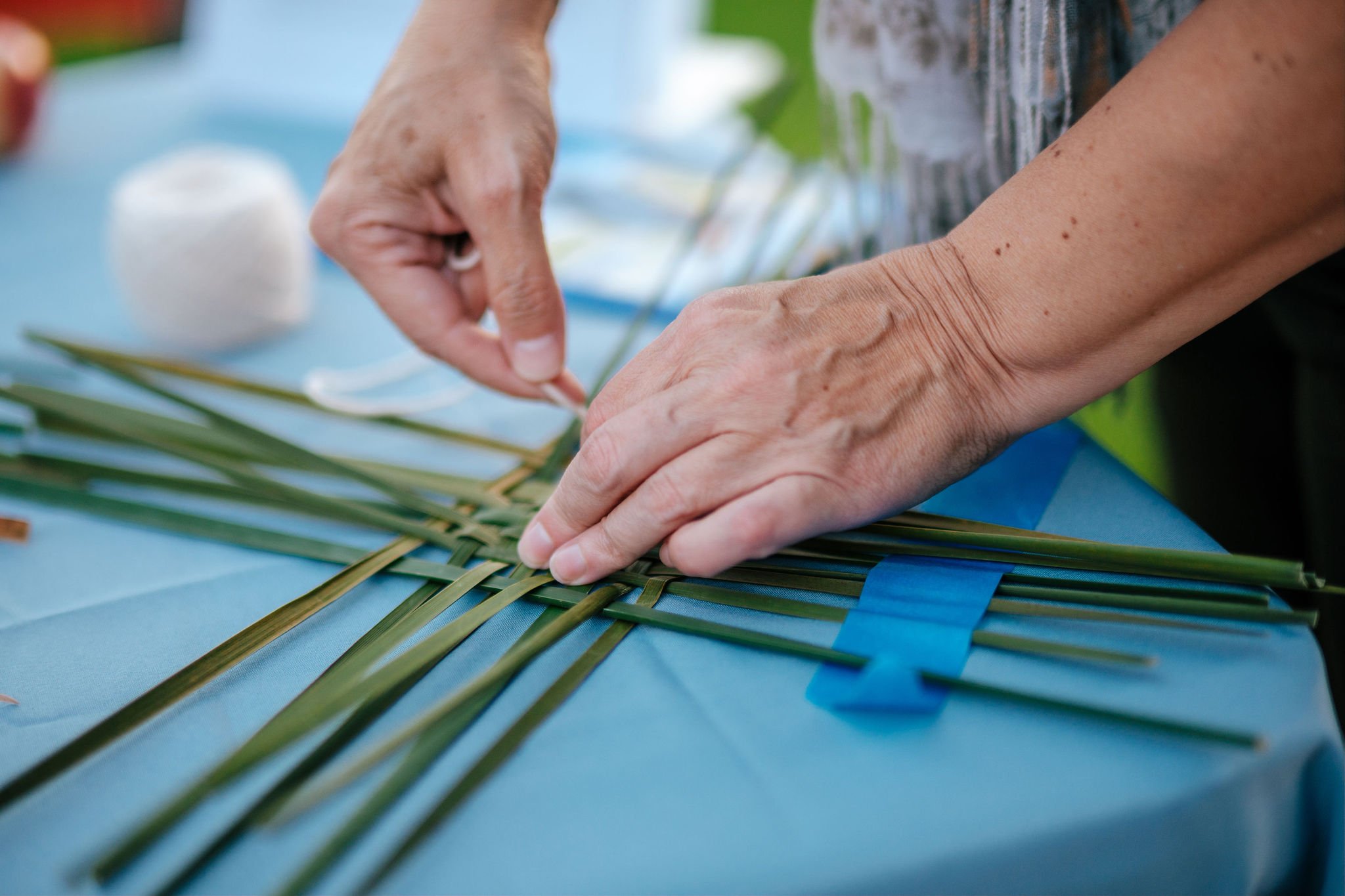
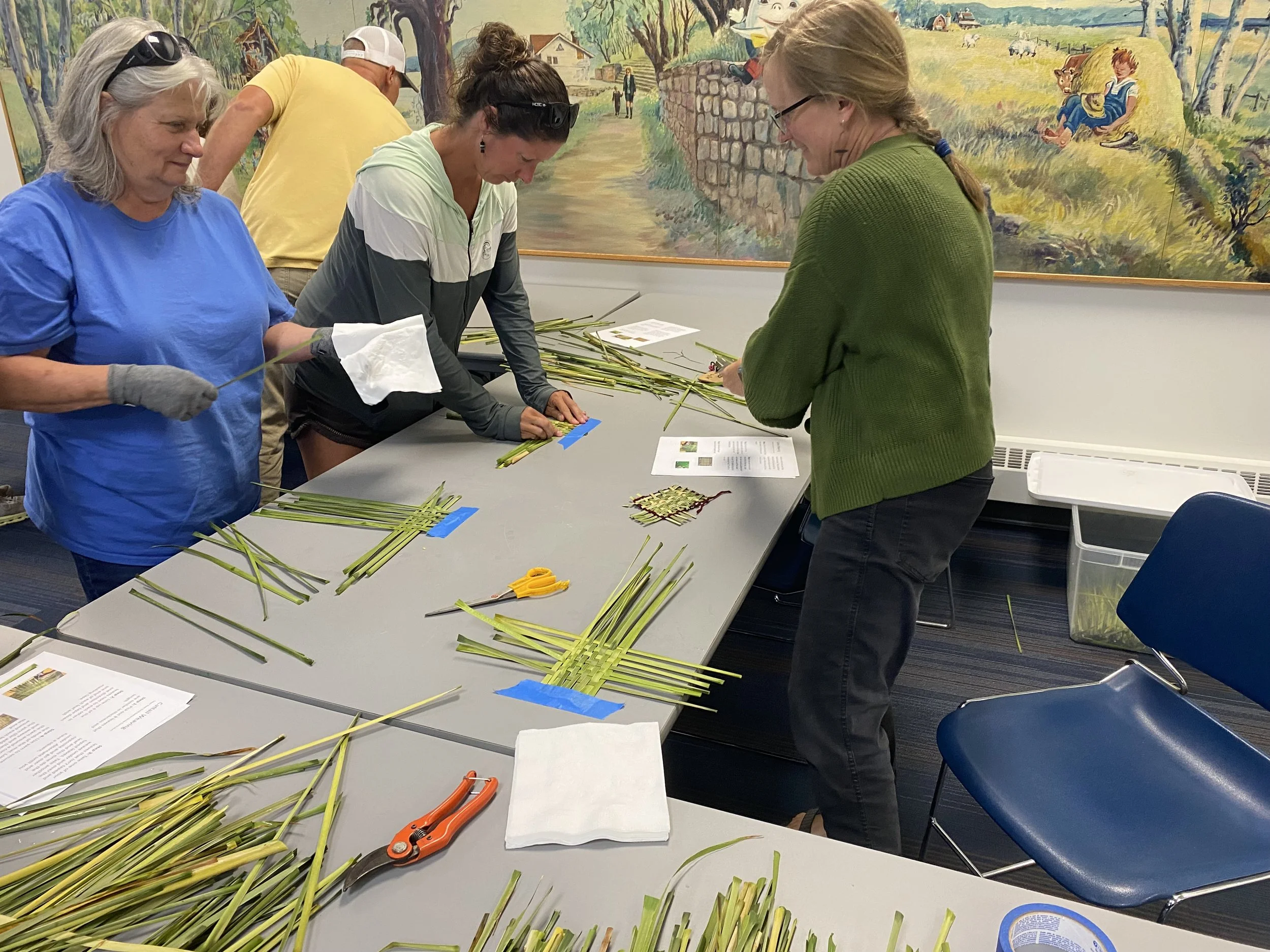
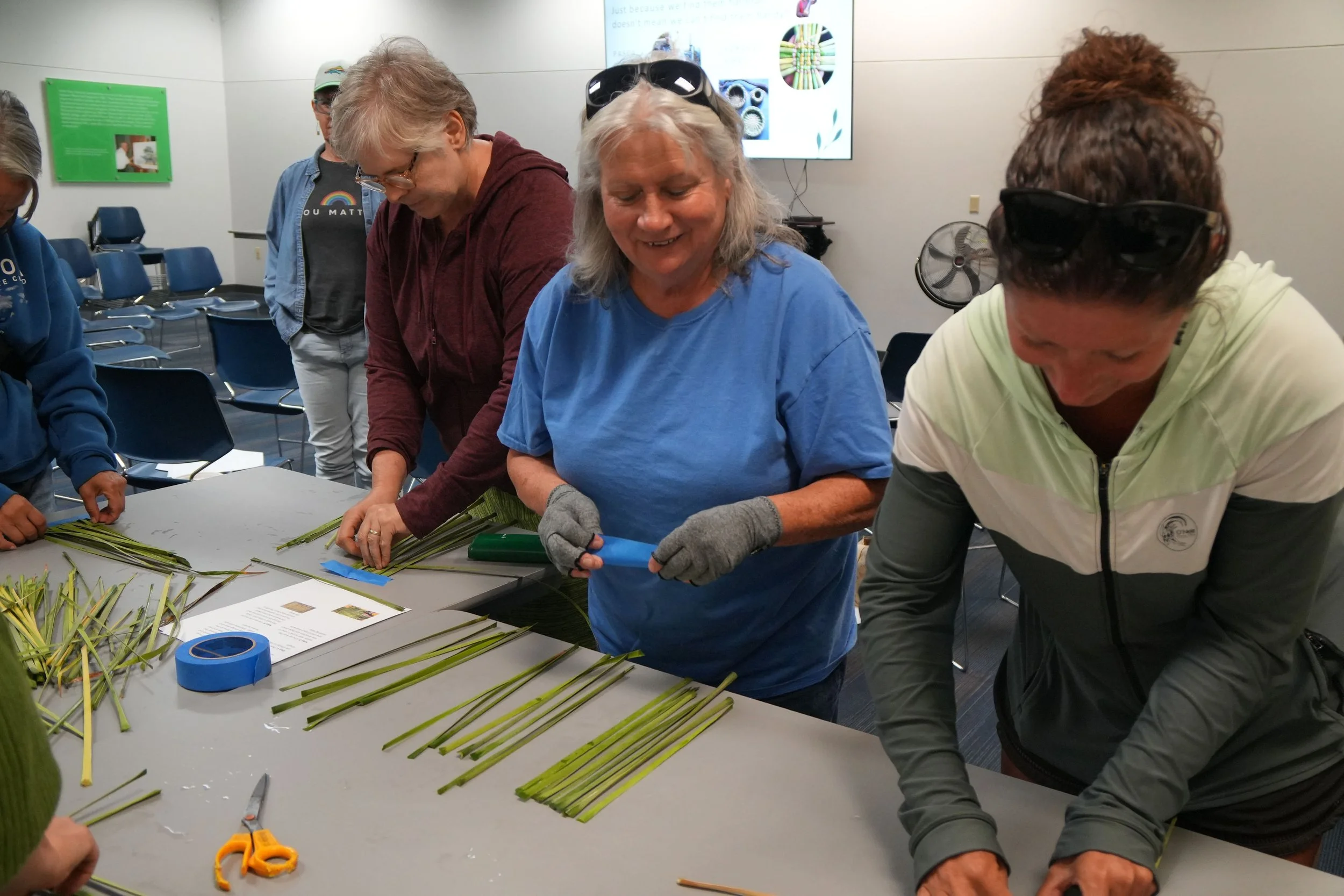
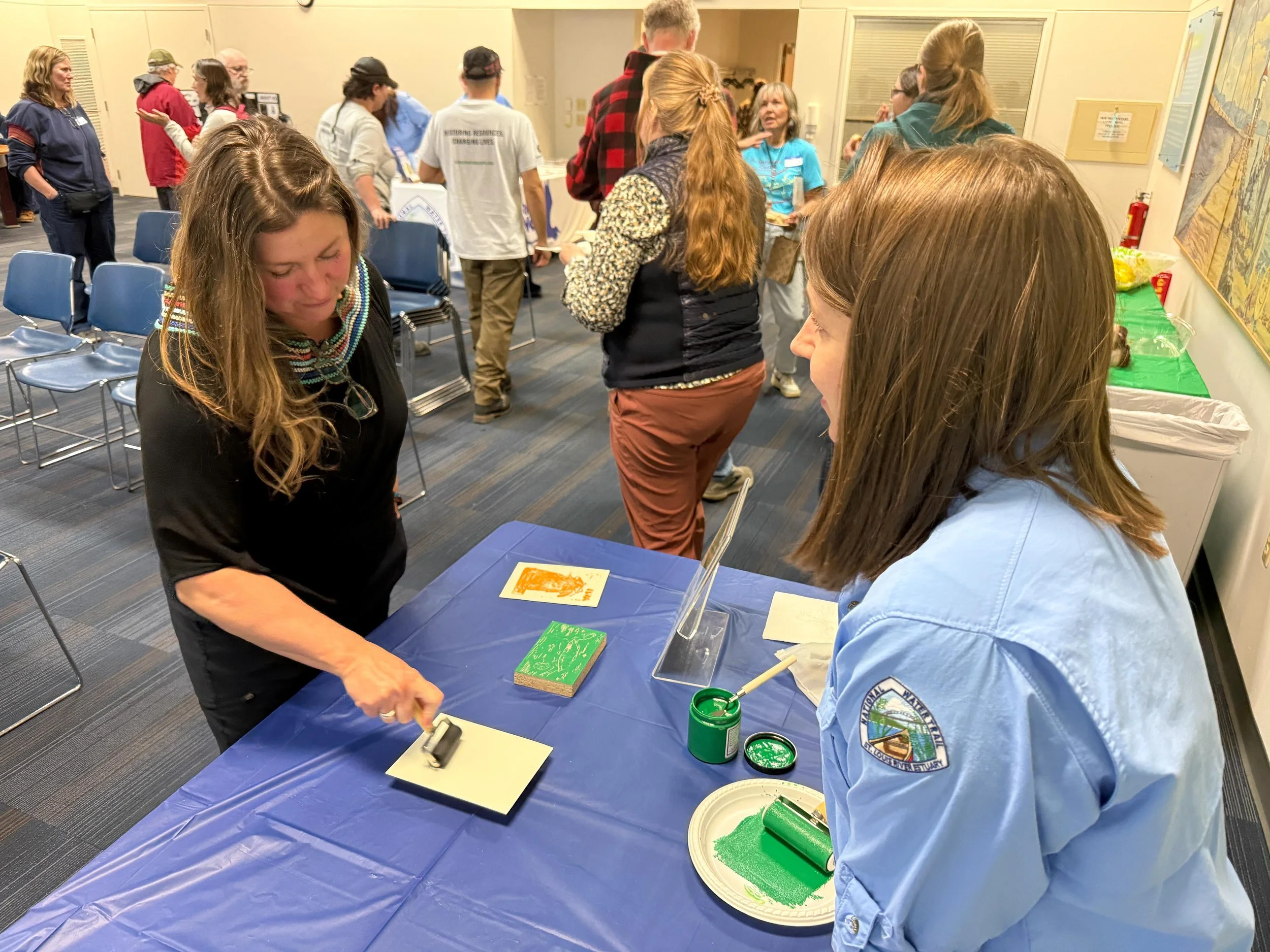
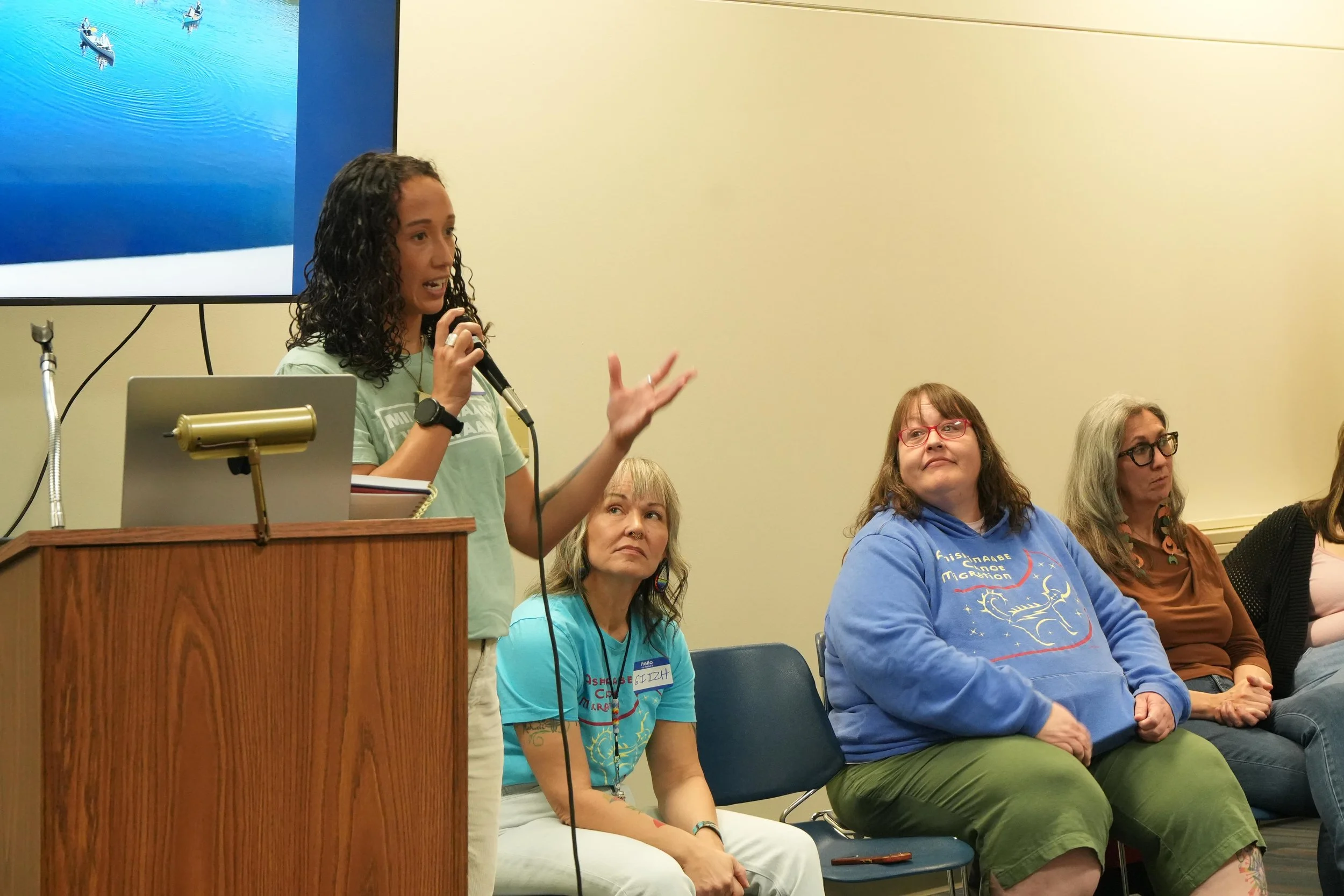
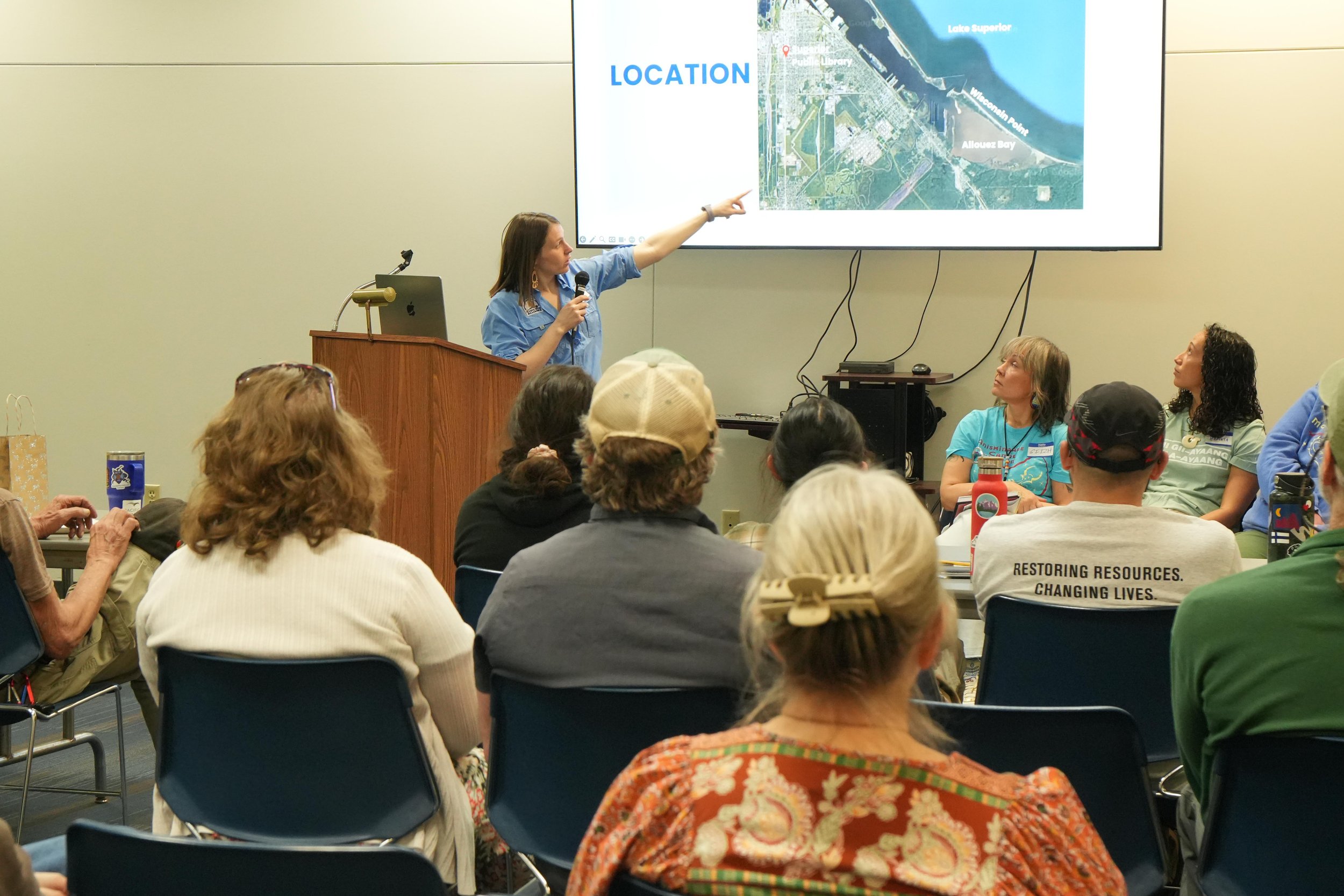
That feedback helped shape our approach in 2026, including the launch of our River Revival series. These gatherings brought people together to explore topics like Anishinaabe canoe migration, manoomin (wild rice), coastal wetland restoration, and cultural fire through storytelling, hands-on activities, and conversations with project partners.
Now that our grant-funded engagement effort is wrapping up, we want to share what we heard from you, how your feedback helped shape our work, and what comes next for these special places.
Community engagement by the numbers




120 River Activities Questionnaire responses
160 River Revival attendance instances across four events
7,450 Households reached through direct mail
181 New WDNR email-list contacts
Beyond these numbers, we shared regular project updates through our website, newsletters, social media, press releases, and community partners. We also connected with residents at existing community events, distributed printed materials, and worked with local partners like the Superior Public Library to make project information and engagement opportunities more accessible.
Together, these efforts helped us reach beyond our existing audience, build new relationships, and create more ways for community members to stay informed and involved as restoration continues.
You told us: You care deeply about these places.
Throughout the engagement process, we heard how important Allouez Bay, Wisconsin Point, and the broader St. Louis River Estuary are to our community. People shared stories about spending time along the water, enjoying wildlife, paddling, fishing, walking, swimming, and connecting with the natural and cultural history of these places. We also heard that people want to see these areas protected and restored while maintaining opportunities for recreation, cultural connections, and public access. Some residents expressed interest in improved trails, amenities, and access, while others emphasized preserving the quiet, natural character of these places and avoiding overdevelopment. These perspectives help us better understand the different ways people value and use the estuary.
We heard: Getting involved should be easier.
The River Activities Questionnaire and community conversations helped us better understand what encourages people to spend time along the river and what sometimes keeps them away. Many people expressed interest in guided walks, paddling, bird watching, hands-on stewardship, and opportunities to learn about the river's ecology, history, and restoration. At the same time, residents identified barriers such as not knowing where to go, limited amenities or equipment, safety concerns, physical accessibility challenges, and uncertainty about how to get involved. We also heard that people want clear, consistent information about restoration projects and opportunities to connect directly with the people doing the work.
These conversations reinforced the importance of creating welcoming, beginner-friendly opportunities and making it easier for people to find the information and resources they need to enjoy and care for these places.
What happened: Your feedback helped shape River Revival.
One of the most visible outcomes of this engagement effort was the development of River Revival, a recurring series designed to bring people together around restoration, cultural knowledge, and community connections. Rather than relying solely on traditional public meetings, we created opportunities for people to learn, ask questions, and connect with restoration work in more welcoming, hands-on, and approachable ways.
Throughout the season, we explored Anishinaabe canoe migration, the cultural importance of manoomin (wild rice), coastal wetland restoration, and the return of cultural fire to Wisconsin Point. We also made adjustments along the way based on participant feedback, including allowing more time for discussion, changing seating arrangements to encourage conversation, and providing additional time for food and informal connections. Your input also helped reinforce the importance of sharing project information in plain language, using multiple communication channels, and creating opportunities for people of different ages, abilities, and backgrounds to participate.
Most importantly, River Revival gave community members opportunities to meet project partners, ask questions, and learn more about the restoration work happening in their own backyard.
What we learned: Community input needs to connect with project decisions.
While your feedback directly helped shape engagement activities and communications, the timing of this grant did not always align with project decisions where residents could meaningfully influence restoration design or implementation. We want to be transparent about what your input helped shape during this grant and where opportunities remain for future involvement.
The information collected throughout this effort provides valuable insight into community interests, concerns, and priorities, but not every suggestion can be addressed through this engagement grant alone. As the Allouez Bay and Wisconsin Point projects continue, an important next step is identifying where community input can help inform future planning and implementation decisions and clearly communicating those opportunities before decisions are made. We also recognize the importance of reporting back on how input is considered, including when a suggestion cannot be incorporated and why.
What comes next?
Although this grant-funded engagement effort is coming to a close, the restoration and planning work at Allouez Bay and Wisconsin Point continues. The relationships, community feedback, and communications channels established through this effort provide a foundation for continued engagement as the projects move forward.
The St. Louis River Alliance will share the findings and lessons learned from this engagement effort with WDNR and project partners to help inform future outreach and engagement planning and we are actively working on future contracts to continue these efforts.
Stay connected
Follow ongoing restoration and planning efforts, learn more about the projects, and find opportunities to stay involved.
Contact Matt Steiger with WDNR for Allouez Bay & Wisconsin Point project questions; matthew.steiger@wisconsin.gov
Thank you for sharing your time, experiences, questions, and ideas with us. Your participation has helped us better understand what these places mean to our community and how we can make future engagement more accessible, welcoming, and meaningful. We look forward to continuing these conversations as we work together to care for Allouez Bay, Wisconsin Point, and the St. Louis River Estuary.