After 49 Years, Critically Endangered Piping Plover Returned to Nest on Wisconsin Point
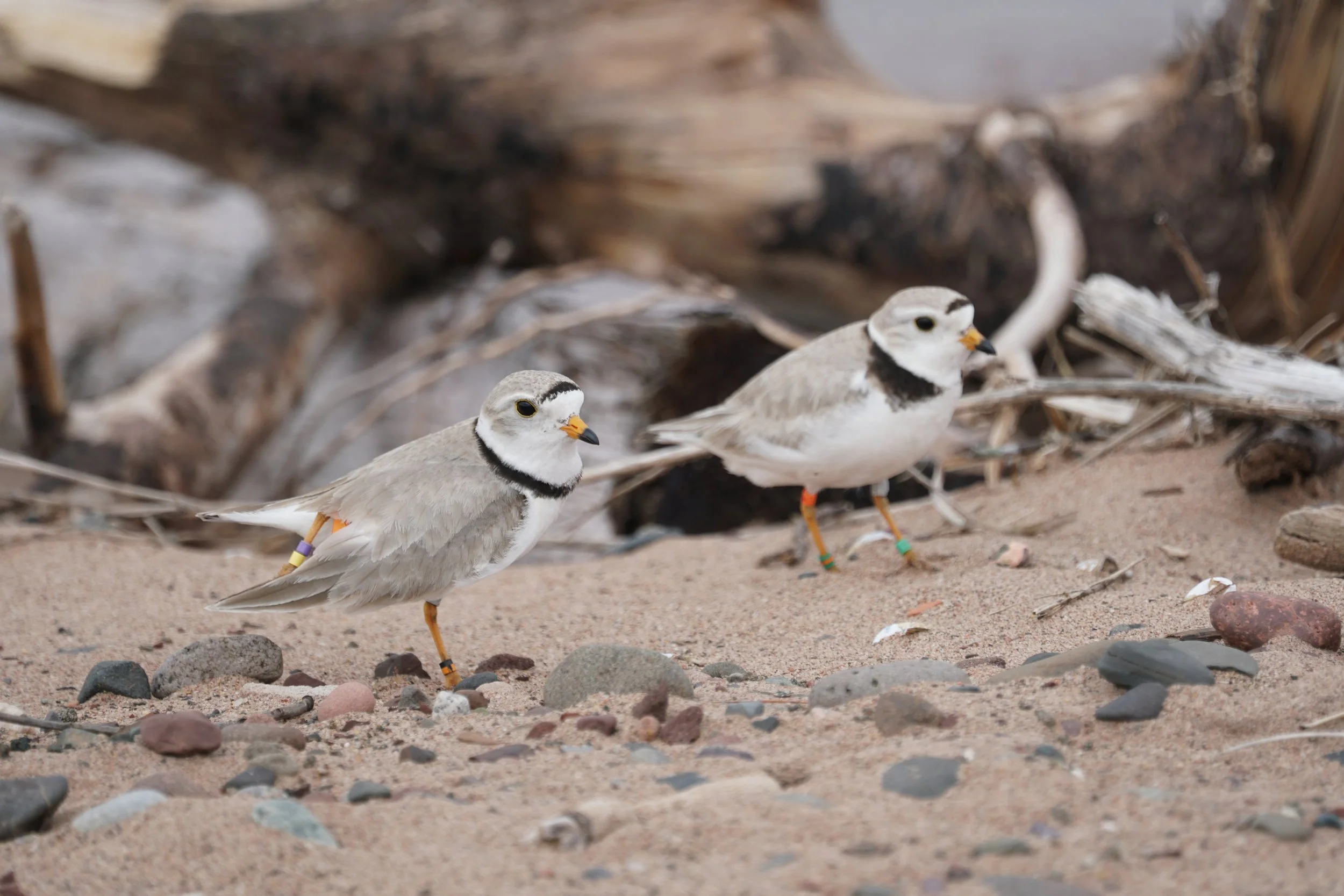
Male (front) is a 2025 Hatch from Fisherman’s Island in Michigan while the 2025 Female is a captive reared from the Apostle Islands (Long Island). Photo: Mikayla Erickson
This summer brought a moment nearly five decades in the making: a pair of endangered Great Lakes piping plovers nested on Wisconsin Point for the first time in 49 years.
Piping plovers historically nested in the St. Louis River Estuary, but no nest had been documented here since 1977. Seeing a pair return to Wisconsin Point, and choose habitat that so many people have worked to restore and protect, was an incredible milestone for the St. Louis River Alliance and our many partners and volunteers.
“This first nest is an emotional event after working 14 years to create a safe and attractive place for the birds to nest,” said St. Louis River Alliance Executive Director Kris Eilers. “We are so grateful for all the partnerships and especially our volunteers who have contributed to the return of this special bird.”
Years of Work Lead to a Nest
The St. Louis River Alliance has been involved in piping plover monitoring, habitat maintenance and public education in the Twin Ports since 2012. Each spring and summer, Alliance staff and volunteers help care for potential nesting areas while watching closely for migrating plovers.
This year, that work paid off in an extraordinary way.
Mikayla Erickson, who has worked with the Alliance's piping plover program since 2019, had the opportunity to observe the pair's breeding behavior firsthand. The birds created several shallow nests, called "scrapes," using the crushed shell and cobble that had been purchased locally and spread by hand to improve the habitat.
“There is nothing that can describe the awe you feel when they finally choose to nest in a site that was so carefully and thoughtfully created just for them,” Erickson said.
The pair ultimately nested on an isolated stretch of sand and cobble within the Wisconsin Point Bird Sanctuary—habitat created specifically to support piping plovers and other shorebirds.
Building Habitat for Their Return
The nesting area is the result of years of collaboration among the U.S. Army Corps of Engineers, U.S. Fish and Wildlife Service, Wisconsin Department of Natural Resources, St. Louis River Alliance and U.S. Environmental Protection Agency, with funding through the Great Lakes Restoration Initiative.
In 2019, clean material dredged from the Duluth-Superior Harbor navigation channel was placed along an existing sand spit within the state-owned Wisconsin Point Bird Sanctuary. The project created approximately 14 acres of new nesting and foraging habitat, adding the open sand, cobble and shoreline features piping plovers need to breed successfully.
The $4.5 million project was completed as part of the larger effort to restore the St. Louis River Area of Concern.
“The news of a piping plover pair nesting here is a very significant milestone for this site,” said Matt Steiger, Wisconsin DNR St. Louis River Area of Concern Coordinator. “The habitat project that made this possible is an excellent example of how we can collaborate in a working harbor to restore endangered species habitat.”
Wisconsin Point now joins the Apostle Islands and two sites in lower Green Bay as one of only four locations in Wisconsin supporting nesting piping plovers—underscoring just how important this protected stretch of shoreline has become.
It Takes a Community
Creating habitat was only the beginning. Keeping it suitable for piping plovers requires ongoing care.
Alliance staff and volunteers work alongside state and federal partners each year to monitor piping plovers and maintain habitat throughout the estuary. Volunteer workdays help remove unwanted vegetation, manage woody debris and maintain the open sand and cobble conditions these small shorebirds depend on.
Protecting the site from disturbance is equally important. The Wisconsin Point Bird Sanctuary is closed to the public each year from April 1 through August 24, giving piping plovers and other migratory birds space to nest, rest and raise their young. The closure is monitored and enforced by the Wisconsin DNR.
This summer's nest is a reminder of why those efforts matter.
The return of piping plovers to Wisconsin Point didn't happen overnight. It took years of restoration, monitoring, partnership, volunteer work and patience, and a shared belief that if we create space for wildlife to return, sometimes they do.
Looking Ahead to 2027
Although the return of a nesting pair was itself a major milestone, the work isn't finished.
Piping plovers often return to the same nesting areas from year to year, giving us reason to be hopeful that Wisconsin Point may welcome them back again next spring.
For now, we're celebrating what happened here this summer: after 49 years, piping plovers once again chose the St. Louis River Estuary as a place to nest.
To every volunteer, partner and community member who has helped care for this habitat over the past 14 years—thank you. This milestone belongs to all of you.
And we'll be watching the shoreline closely next spring, hopeful that this is only the beginning.
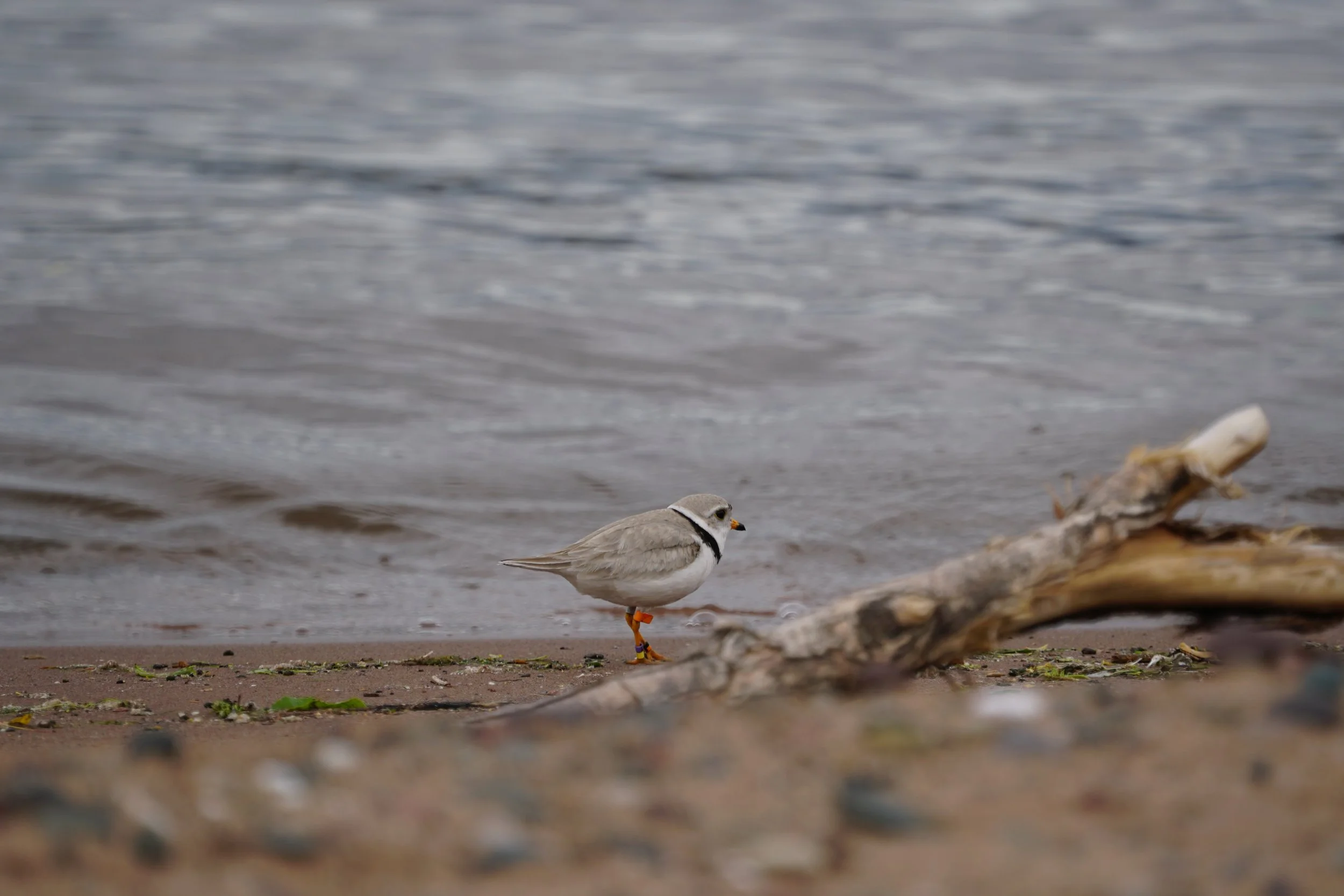
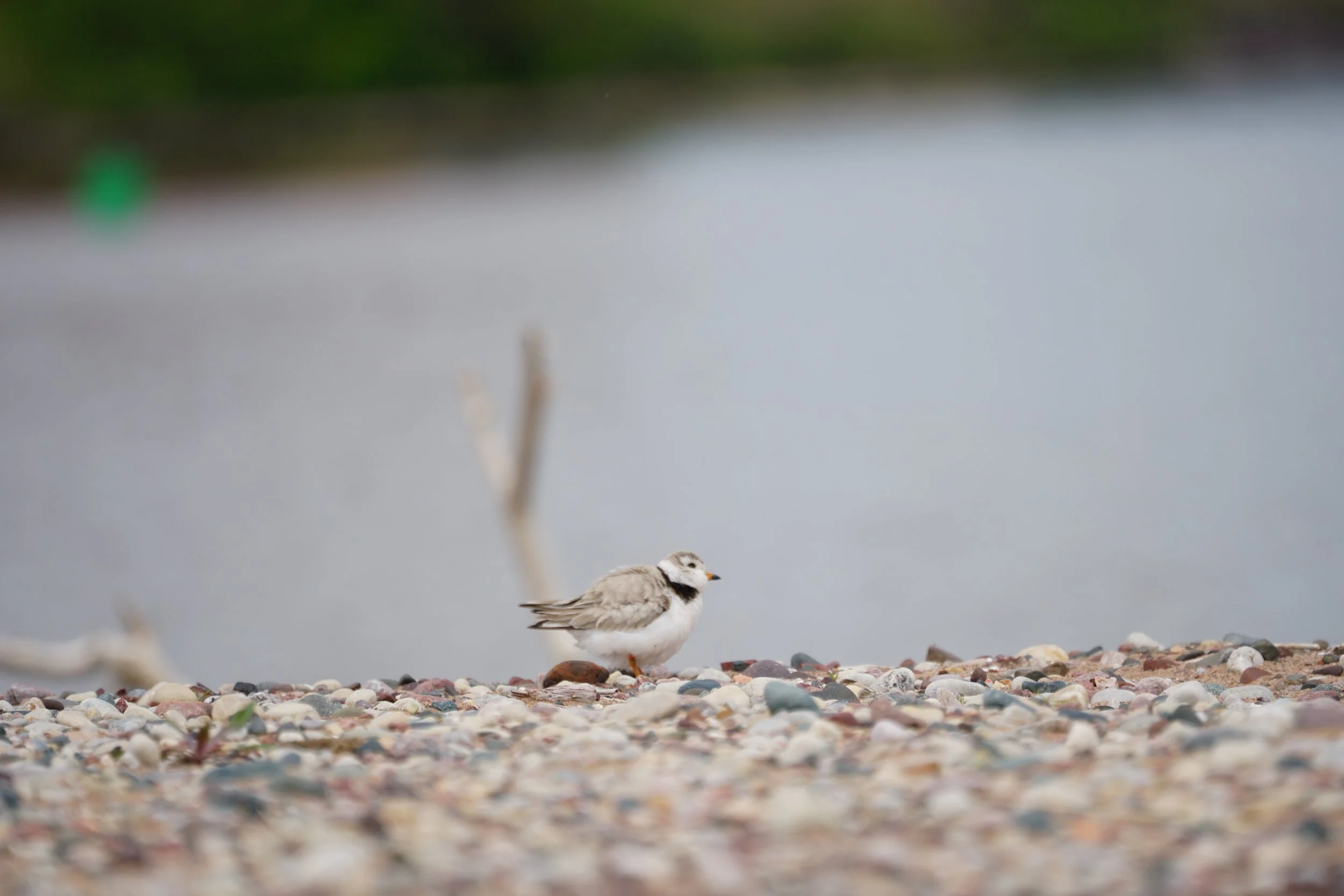
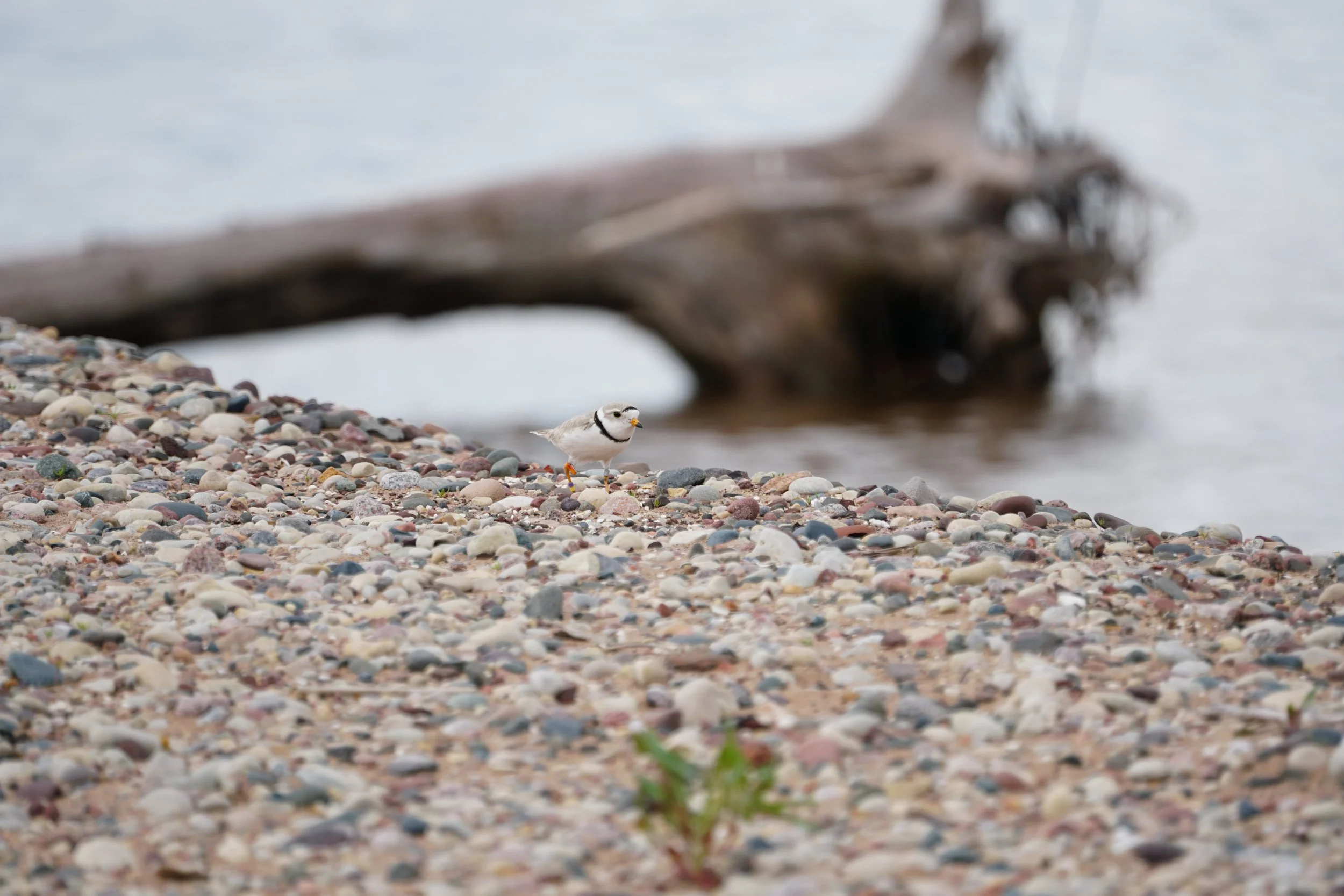
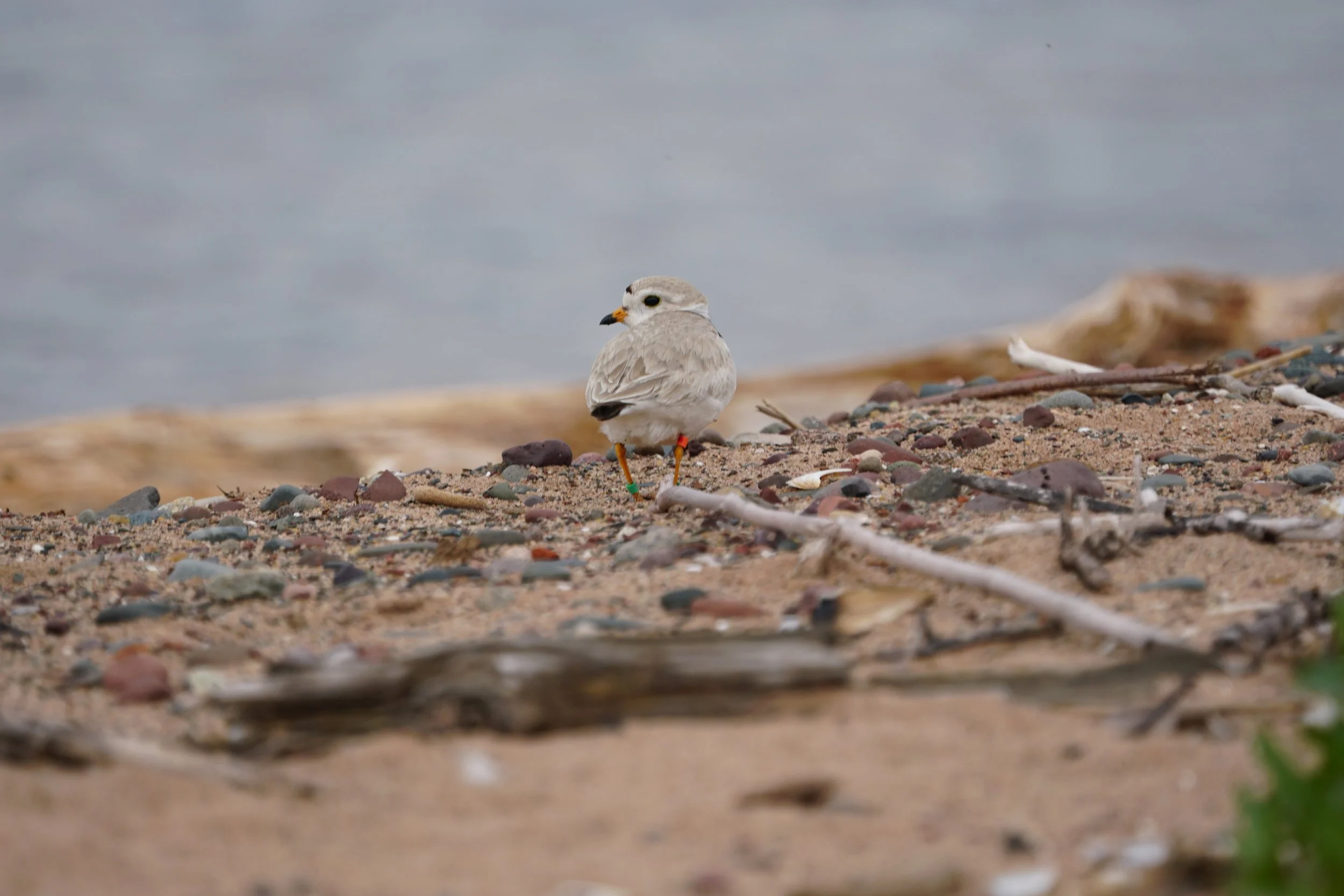
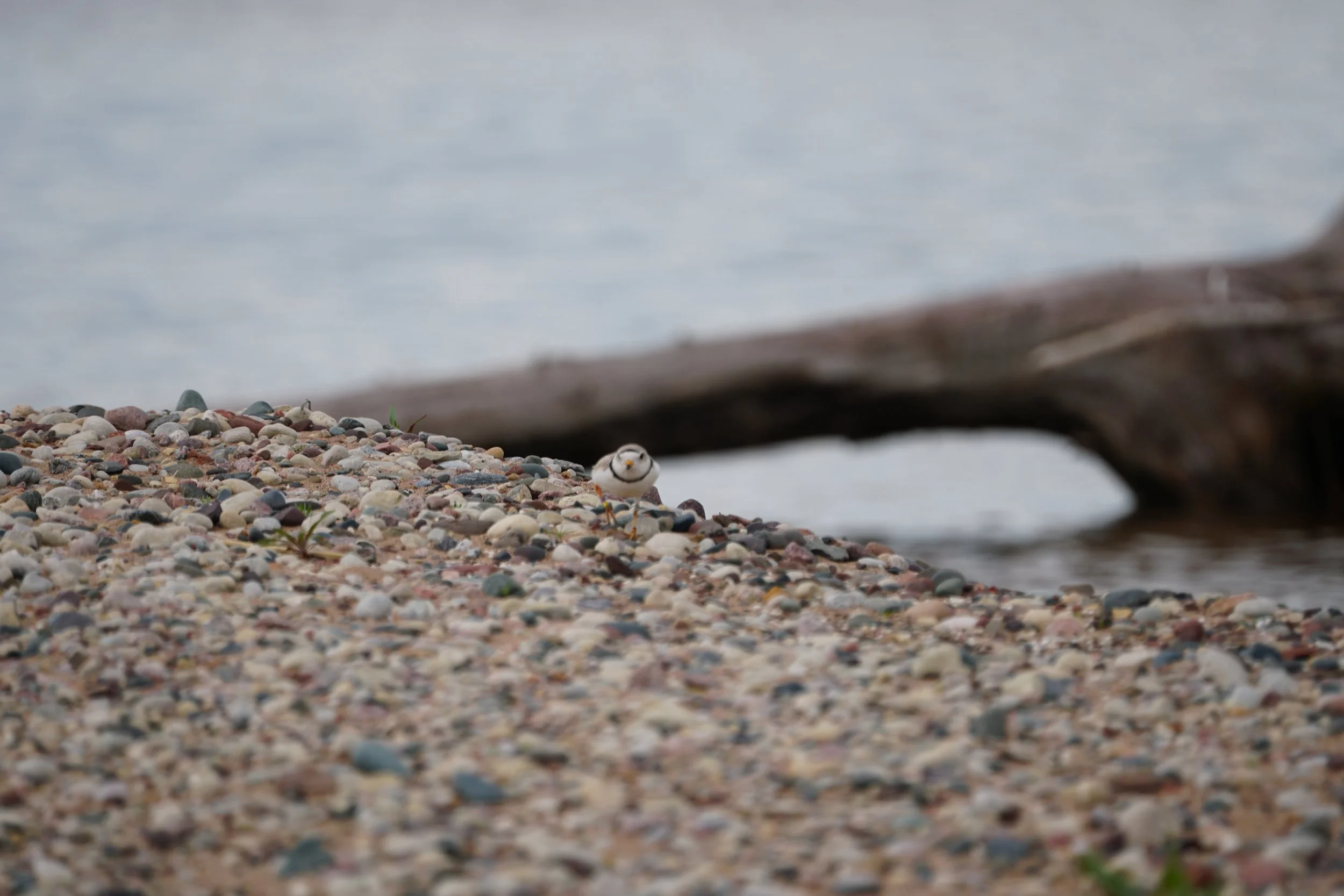
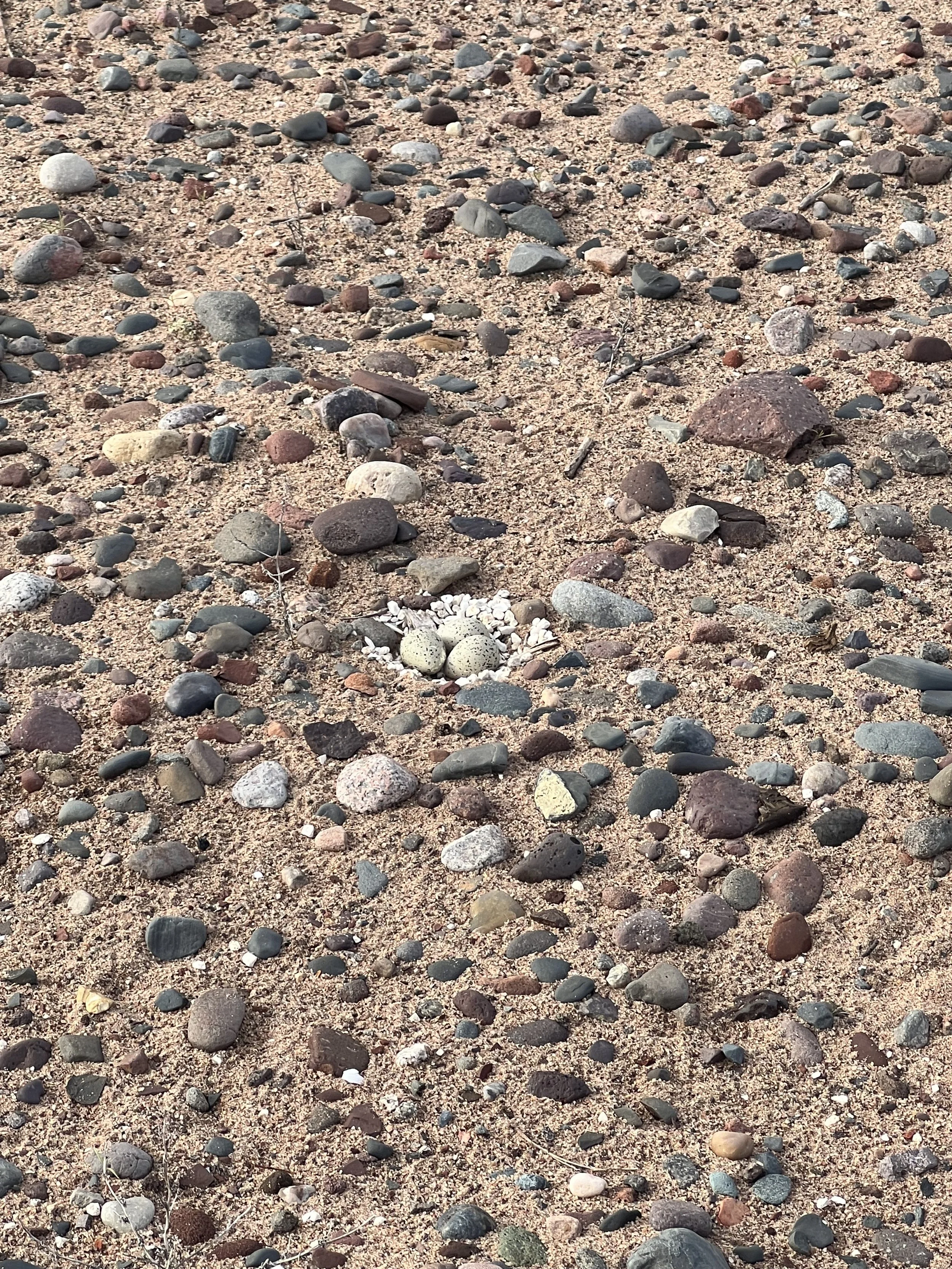
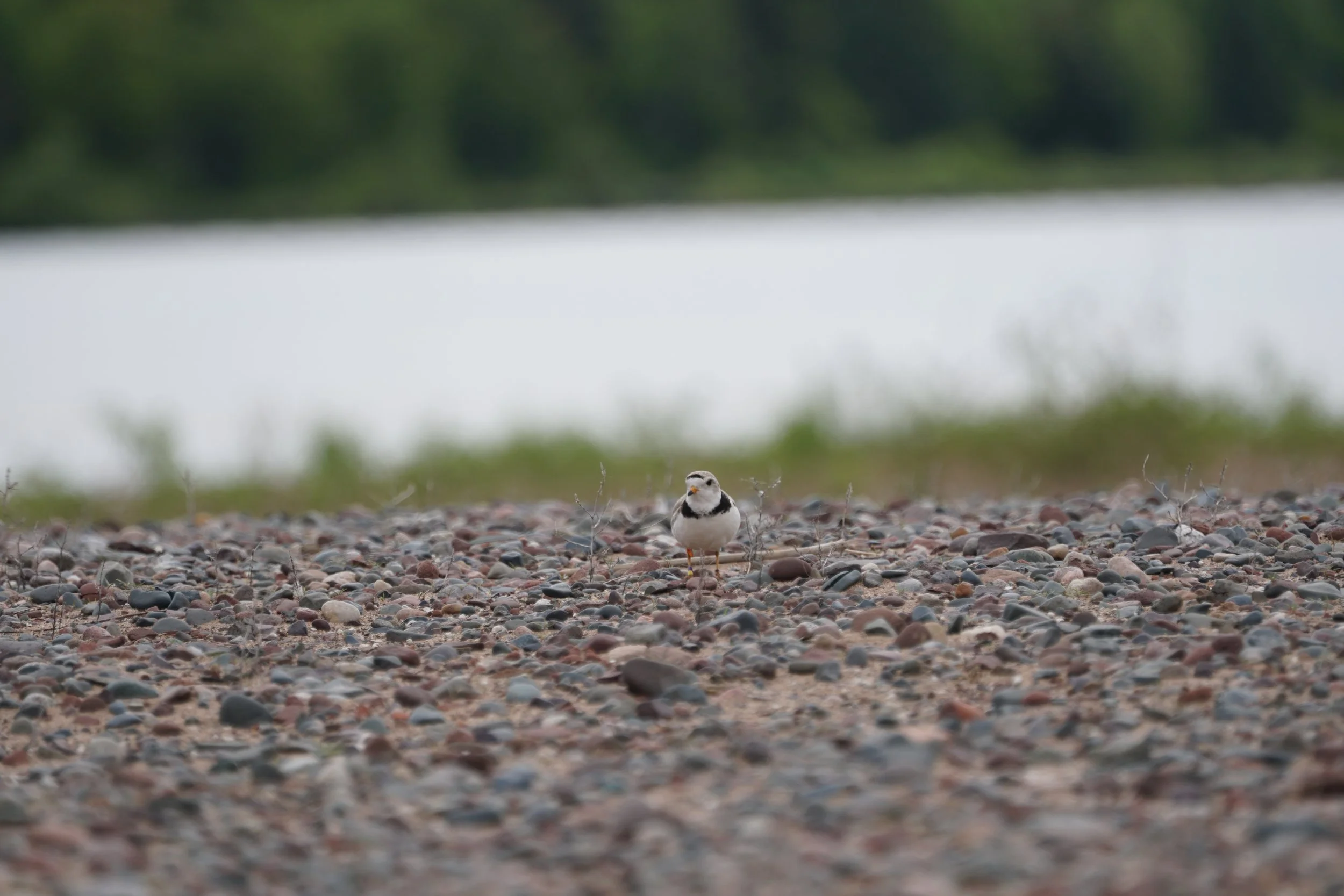
Photos: Mikayla Erickson