
Recommended Gear
Required & Essential Gear
The St. Louis River Estuary National Water Trail offers sheltered bays and open water, cold temperatures, and changing conditions. Carrying the right gear—and knowing how to use it—helps keep you safe and prepared.
Download the Paddlers Checklist PDF from the Minnesota Department of Natural Resources to ensure you have the right equipment packed for your day paddle, overnight paddle, or even an entire weekend.
Life Jacket (PFD)
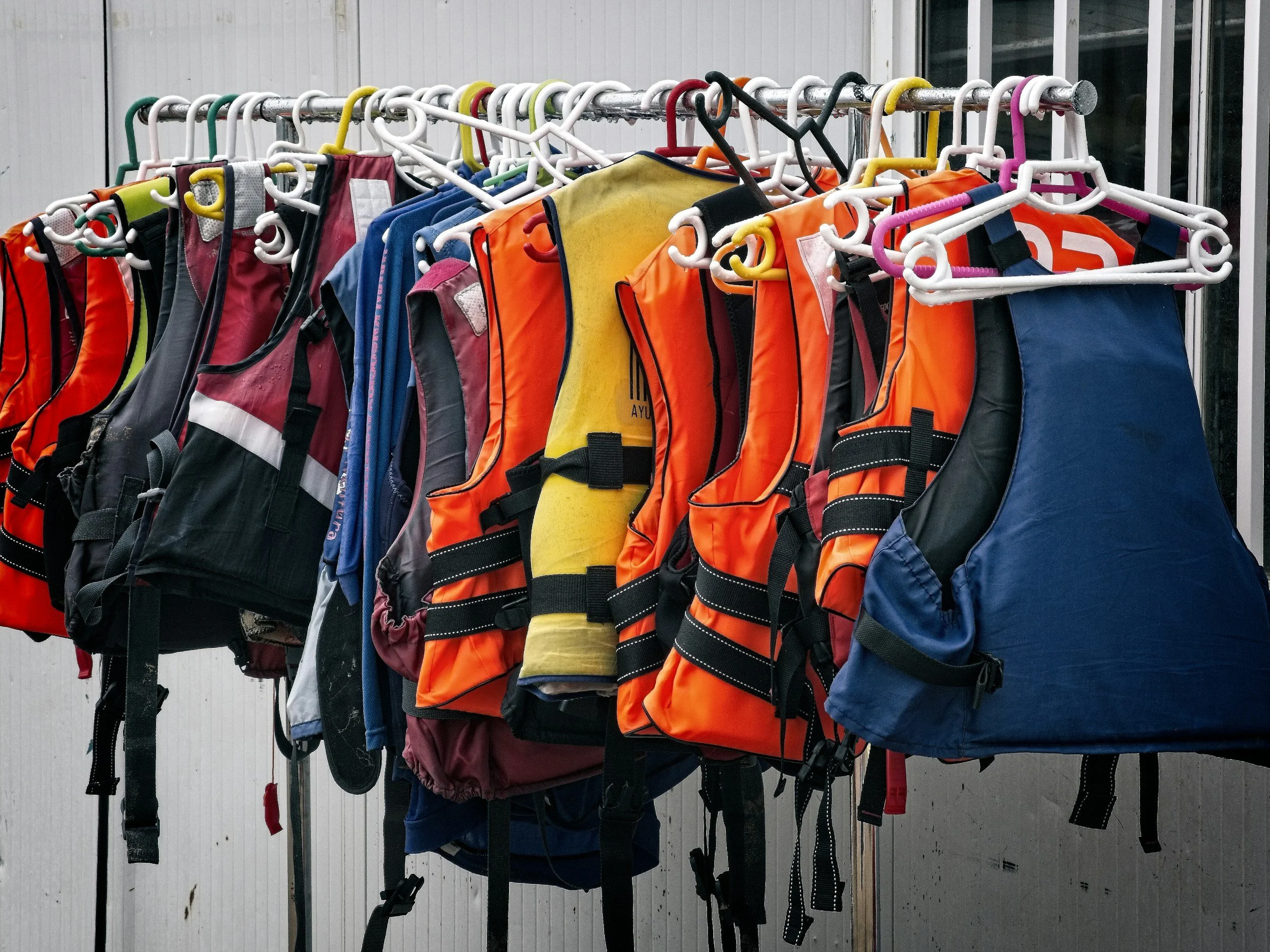
U.S. Coast Guard–approved, properly fitted
Wear it at all times

Sound & Signal
Whistle
Light, especially if paddling at dawn, dusk, or low visibility
Boat Safety
Spare paddle
Bilge pump
Sponge

Navigation & Communication
Water trail map or navigation chart
Phone in a waterproof case
Marine radio (recommended, especially near shipping channels)
Compass or GPS (recommended)

Dry Bag Essentials
Keep these items in a waterproof dry bag:
First aid kit
Extra clothing layers (dress for water temperature)
Rain gear or wind layer
Drinking water and snacks
Emergency blanket

Other
Spare food and water
Headlamp or flashlight
Knife or multi-tool
Throw rope
Sunscreen, hat, and sunglasses
Cold Water Protection
With close proximity to Lake Superior, water temperatures can remain cold into summer. Consider:
Wetsuit or dry suit (spring, fall, and cold days)
Hat and extra insulating layers
Before You Go
Check weather and wind forecast—check out today’s paddling conditions
Review ship traffic if paddling near the harbor
Fill out and share a Float Plan with your plan and return time
Save emergency contacts in your phone
Remember: Your life jacket and preparation are your most important safety tools.

For Emergencies
Contact the U.S. Coast Guard (USCG) Duluth station 218-529-3100
If cell service is unavailable, use a VHF-FM radio on Channel 16 or call 911
Provide location landmarks or GPS coordinates—know nearest public access points
Other Partner Resources
UMD Recreational Sports Outdoor Program
Canoe & Kayak Magazine Videos