Ice Safety Event (Photos)
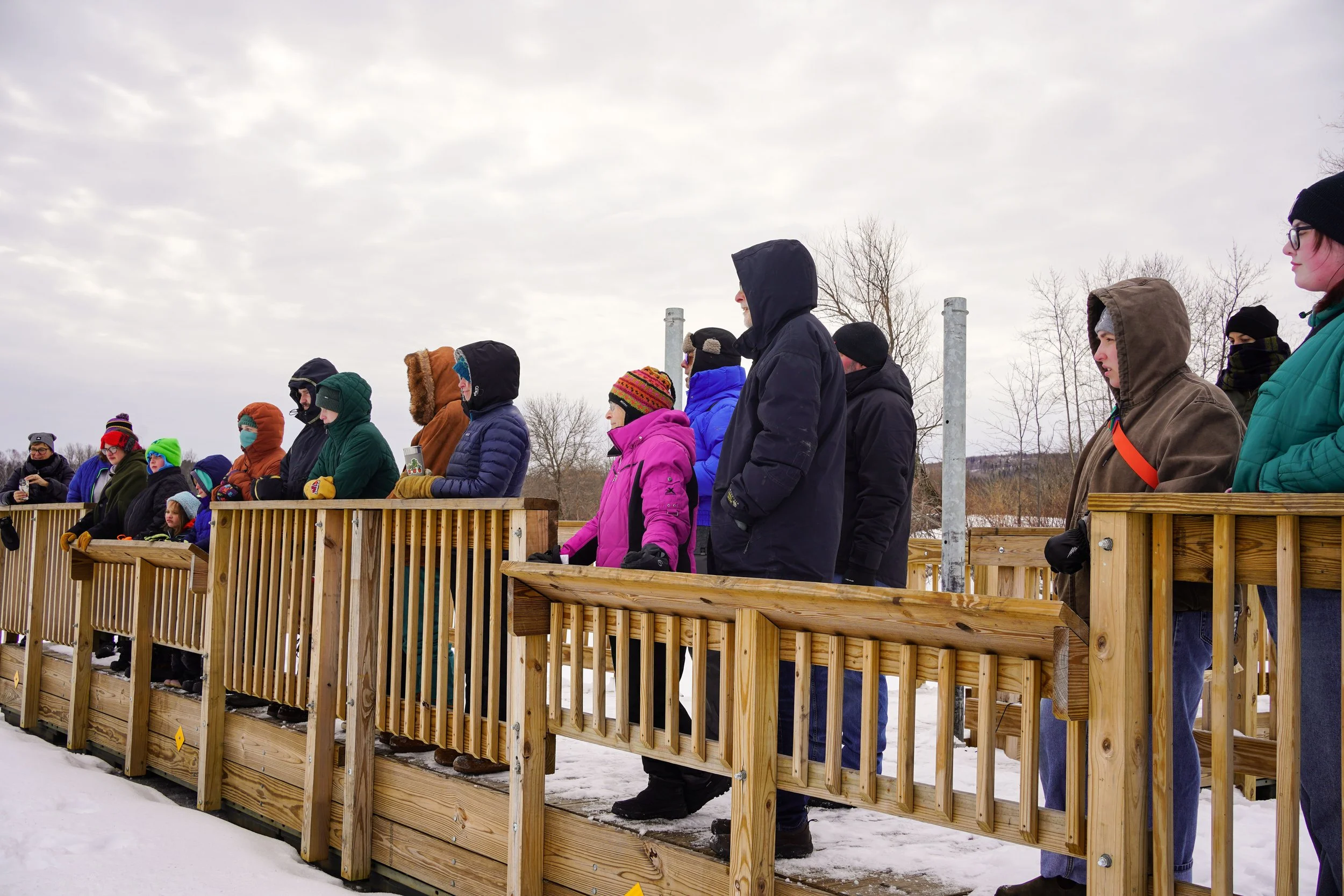
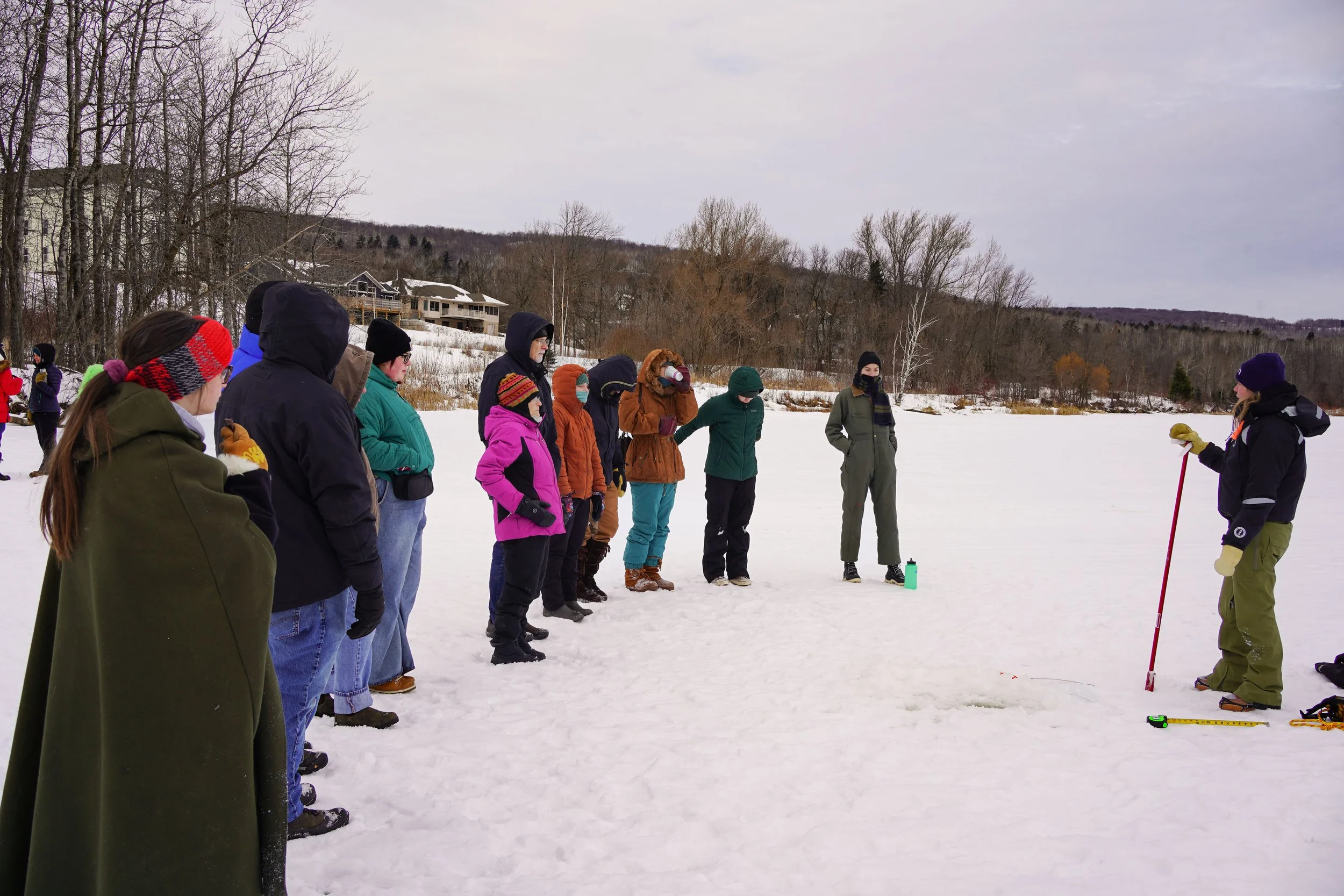
Thank you to everyone who joined us at Munger Landing for our ice safety event, in partnership with the Minnesota Department of Natural Resources (DNR). It was a great winter day to gather, learn, and enjoy the St. Louis River together.
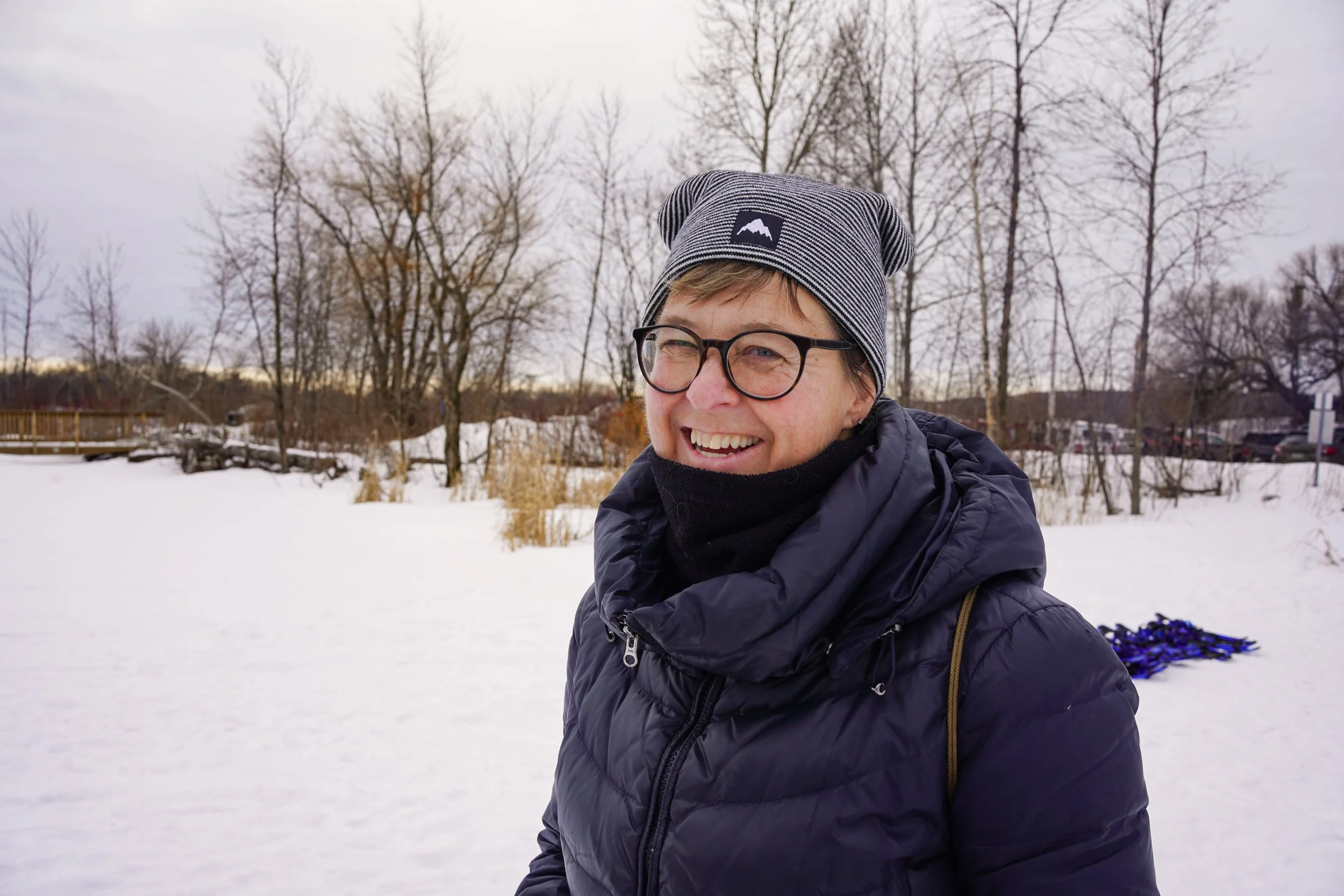
We kicked off the afternoon with an introduction from St. Louis River Alliance Executive Director Kris Eilers, who shared more about our River Connection series and how we’re working to help people feel more confident and comfortable enjoying the river. Tyler Kasper with the Minnesota DNR also spoke about the Area of Concern cleanup efforts (check out this Storymap) that have helped make the river a safer place to recreate—including the multi-million-dollar Munger Landing remediation project.
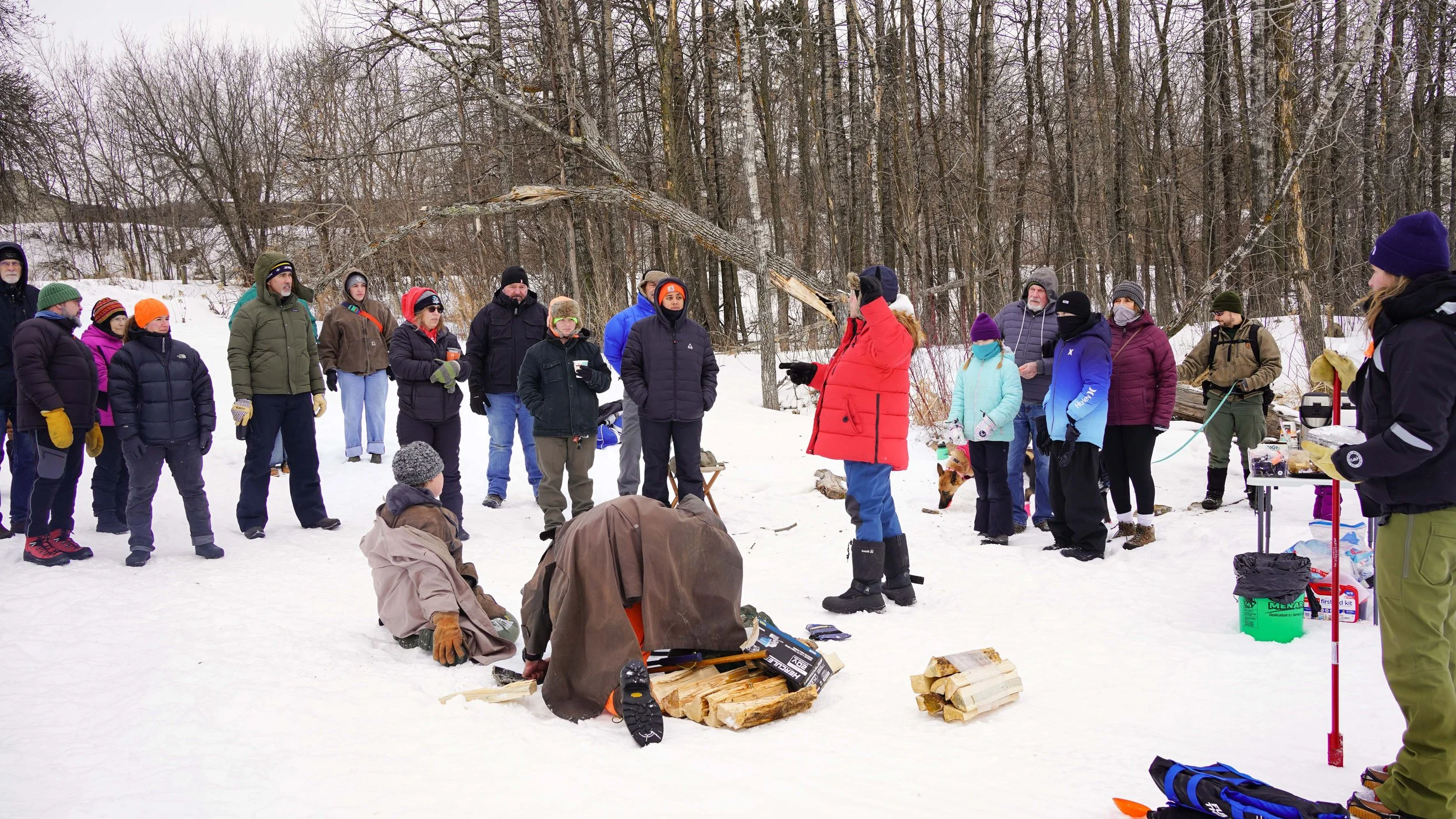
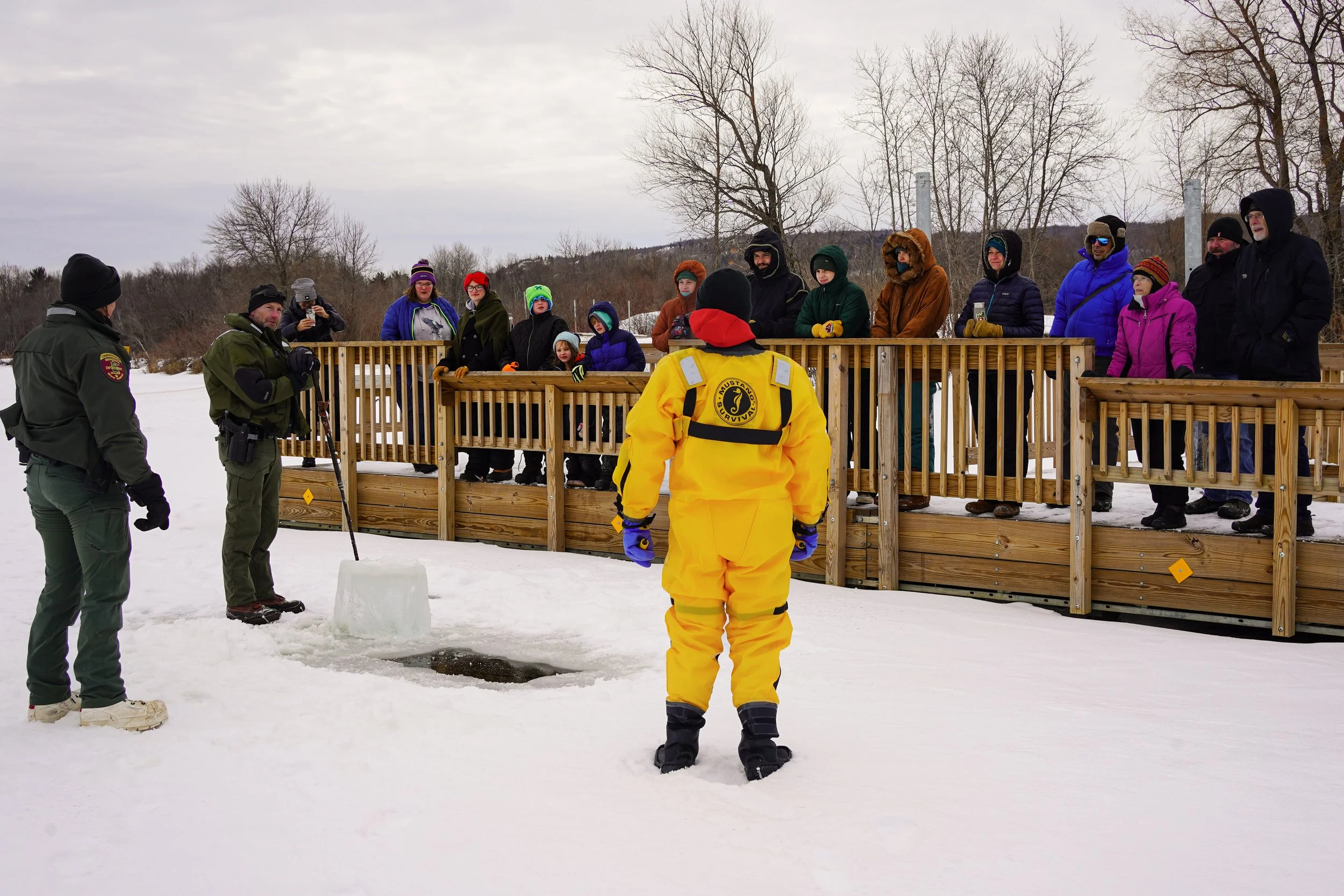
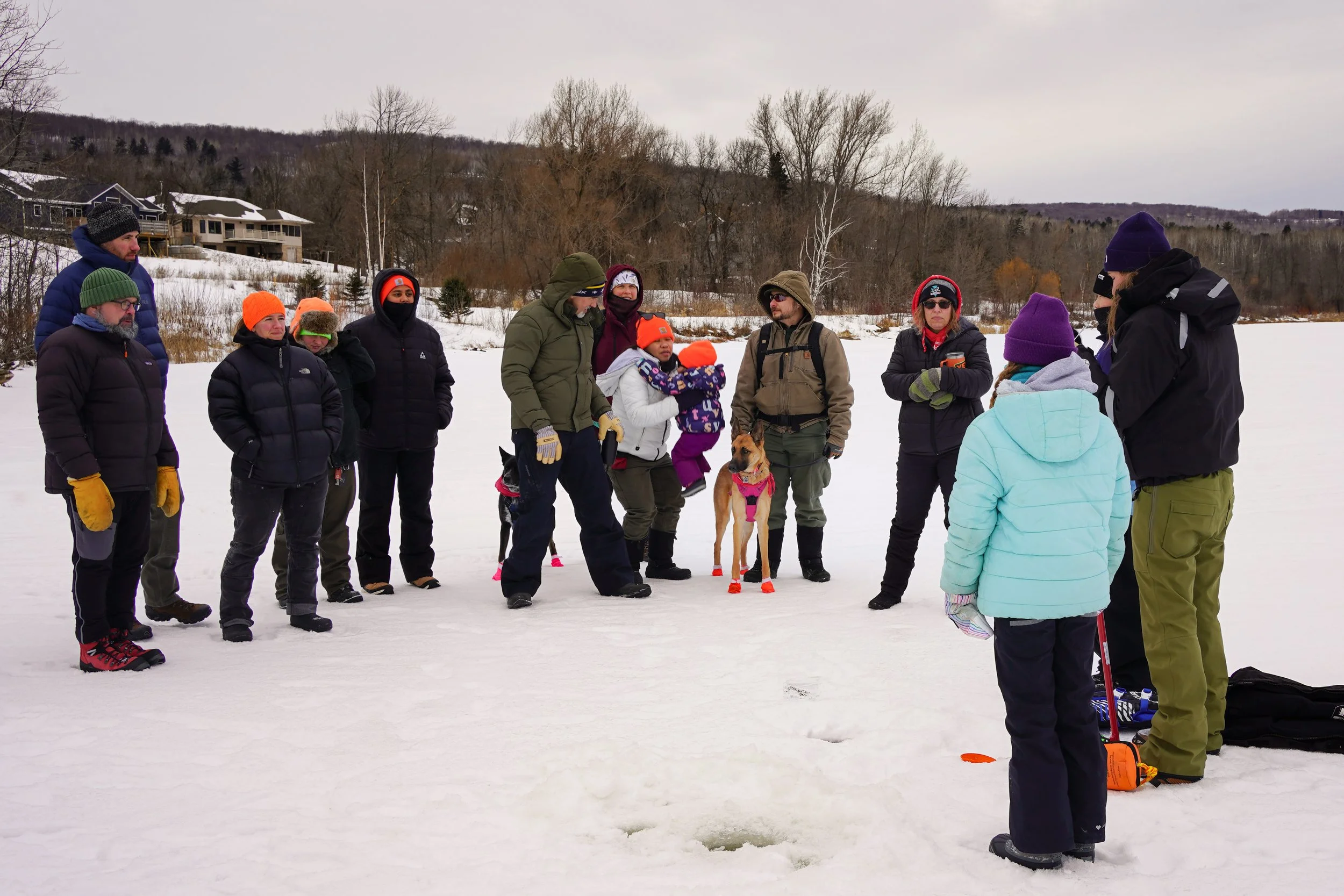
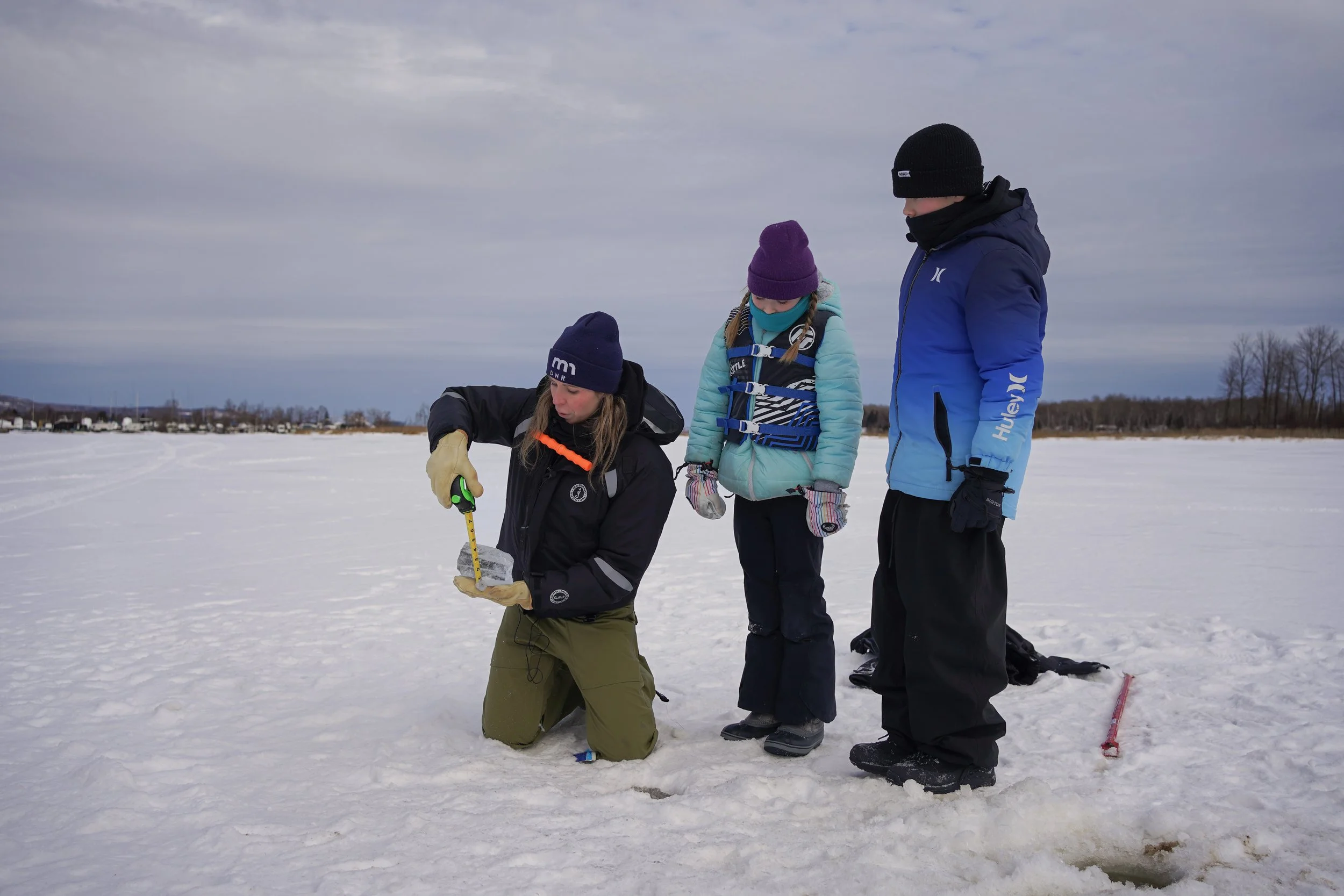
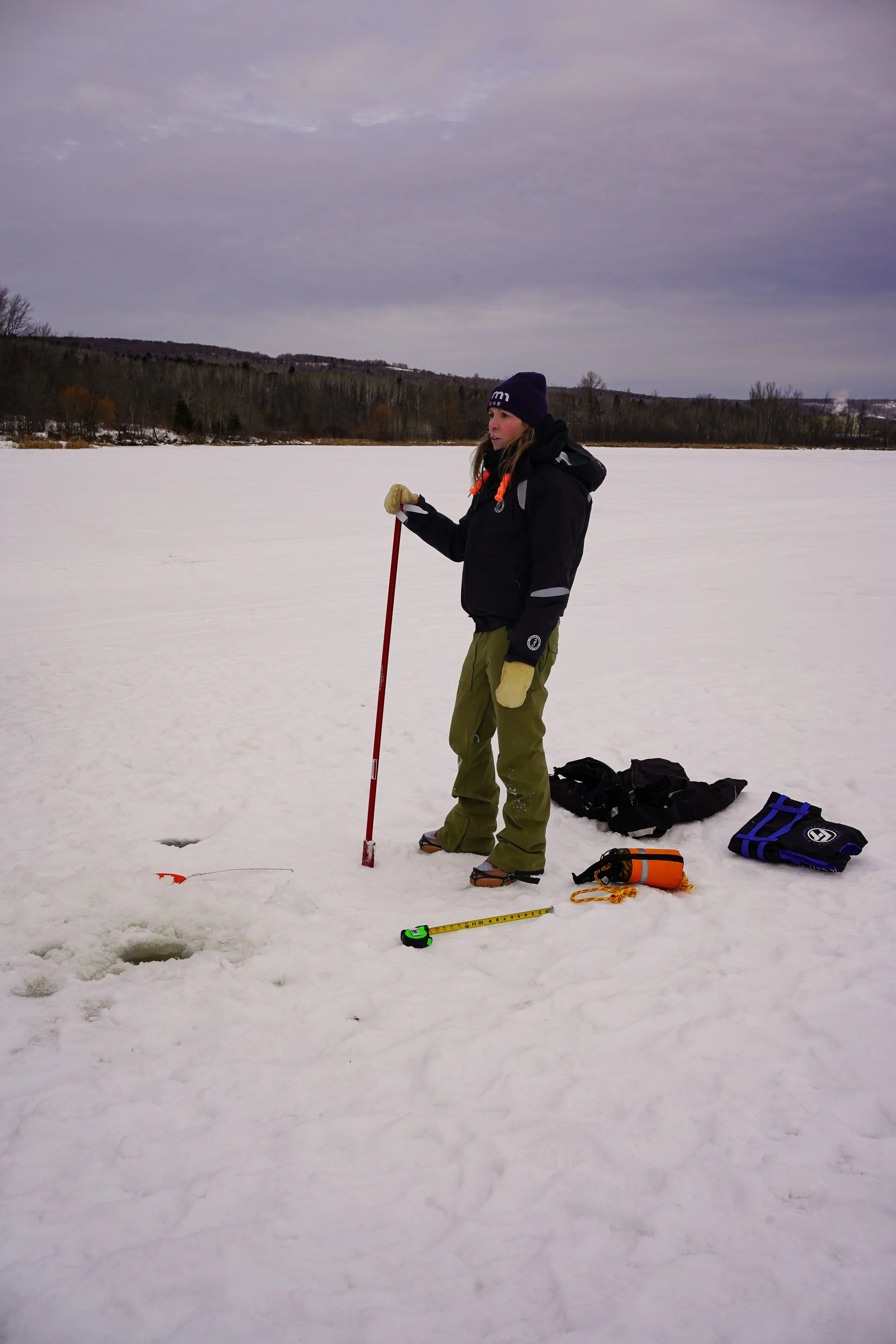
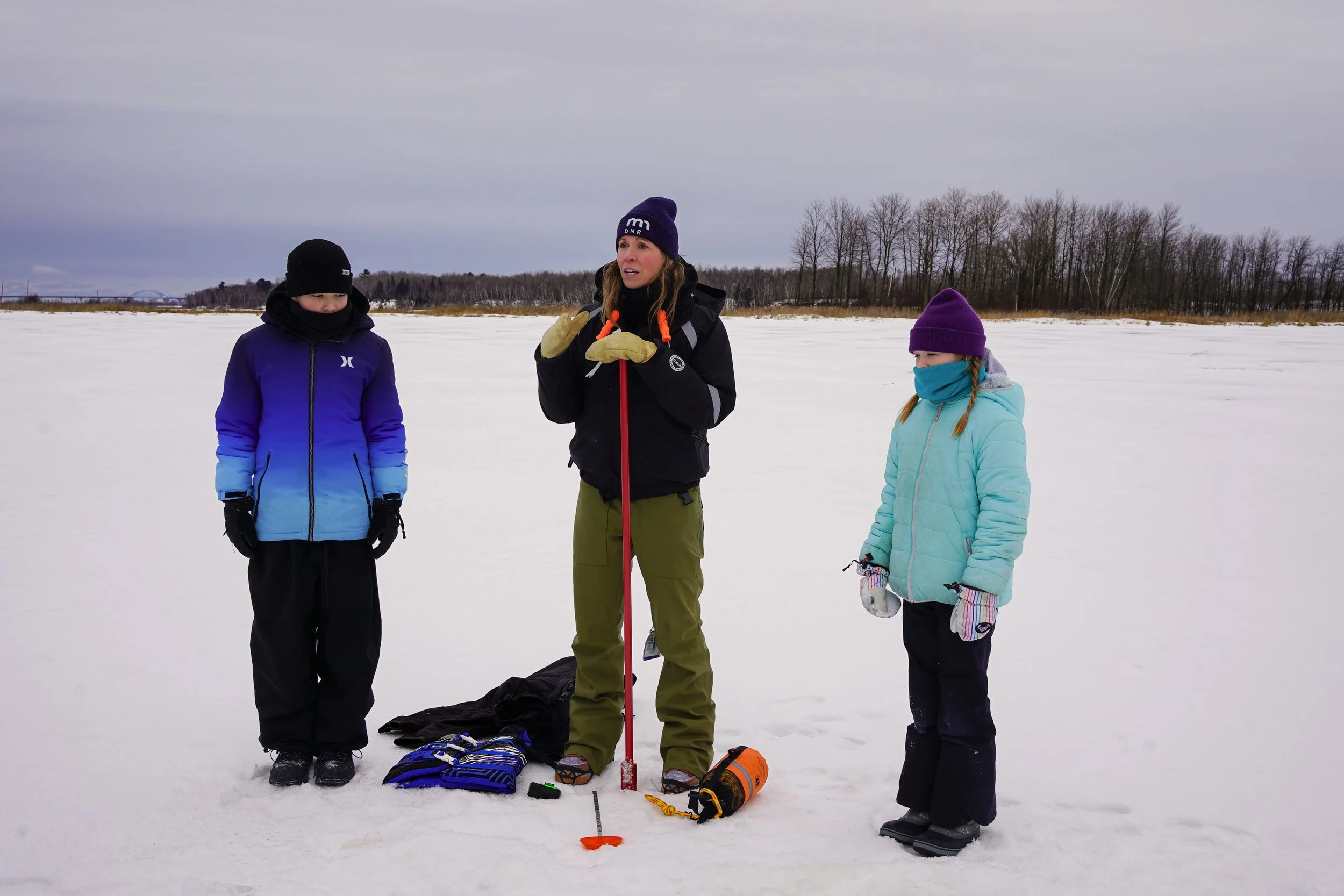
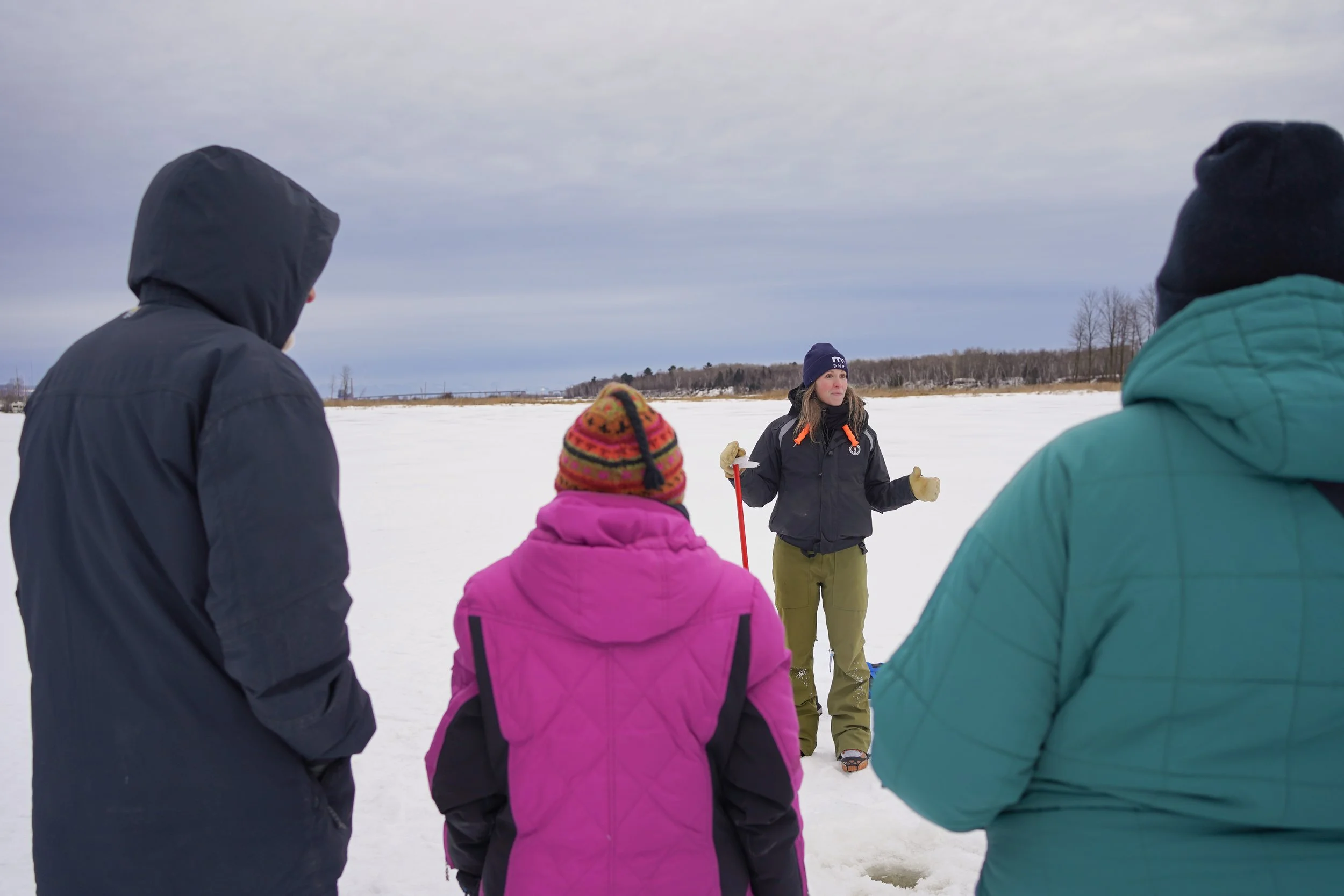
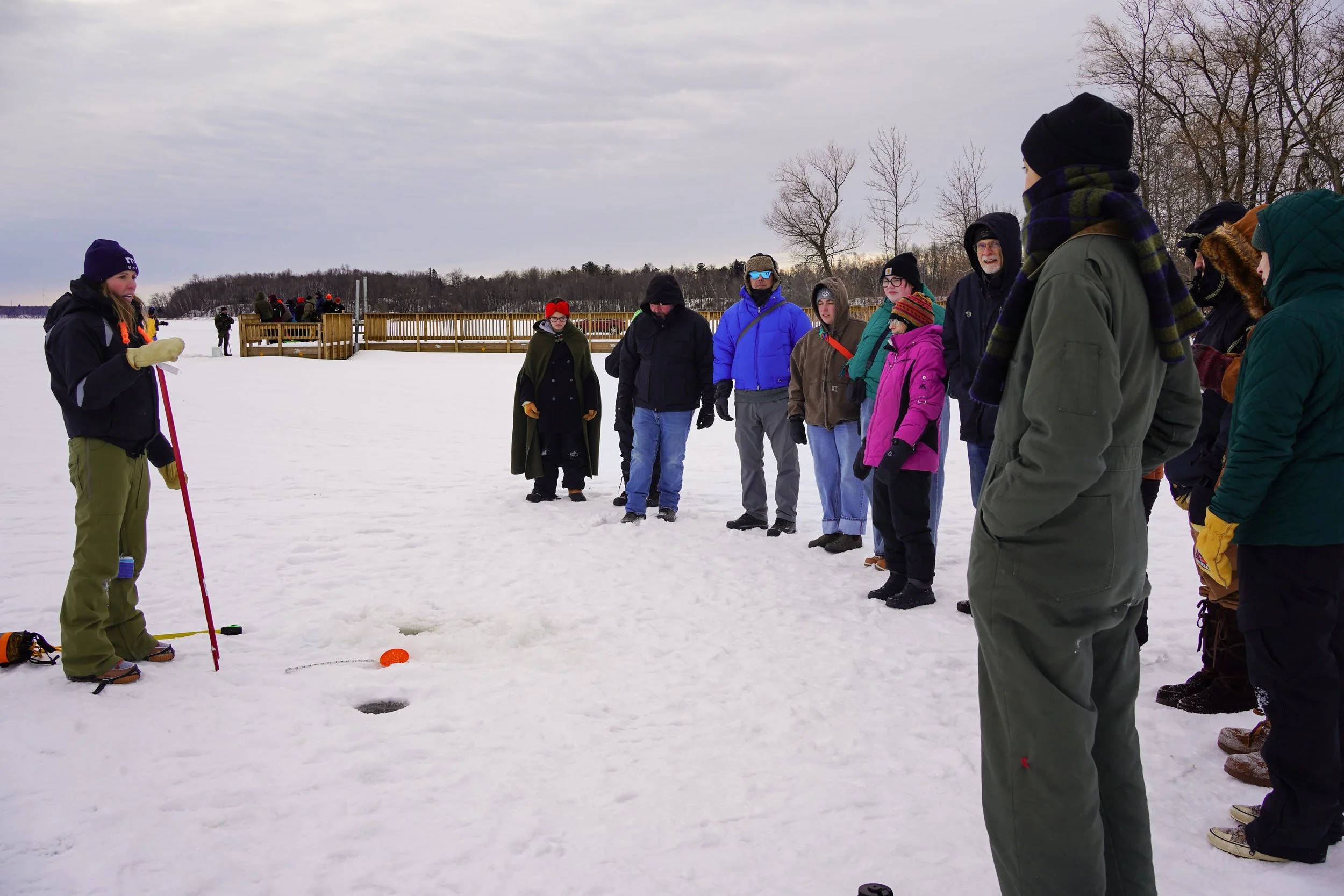
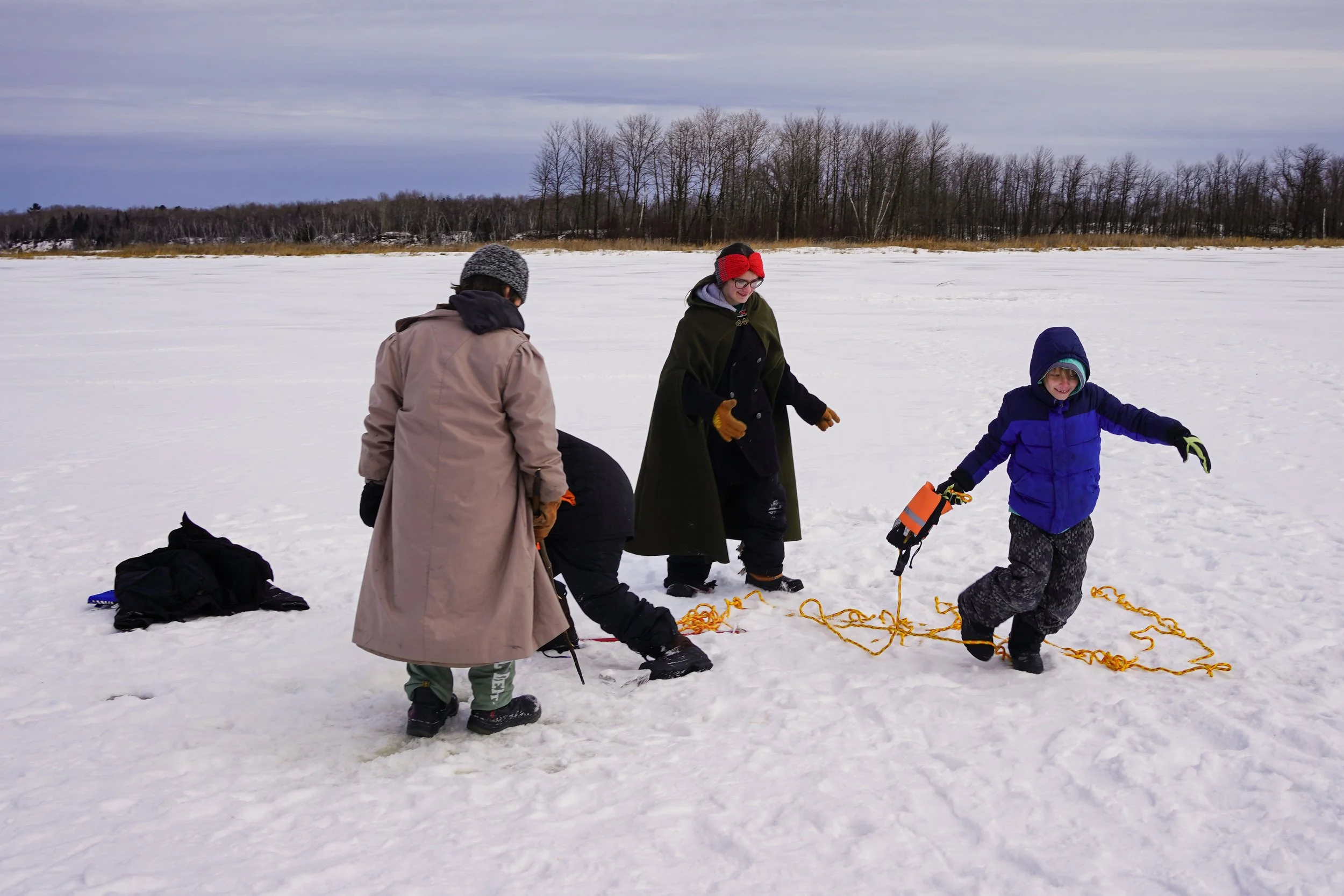
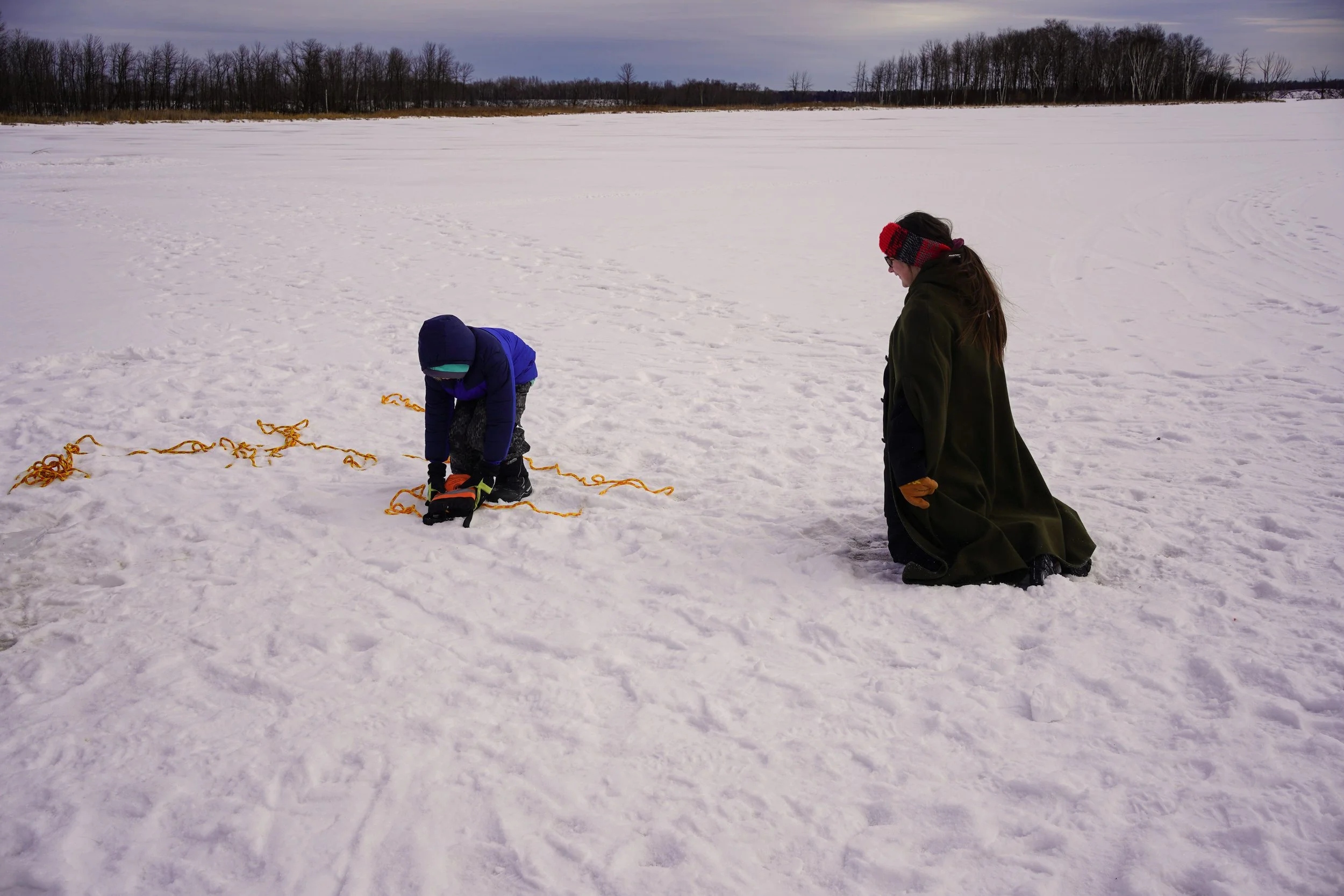
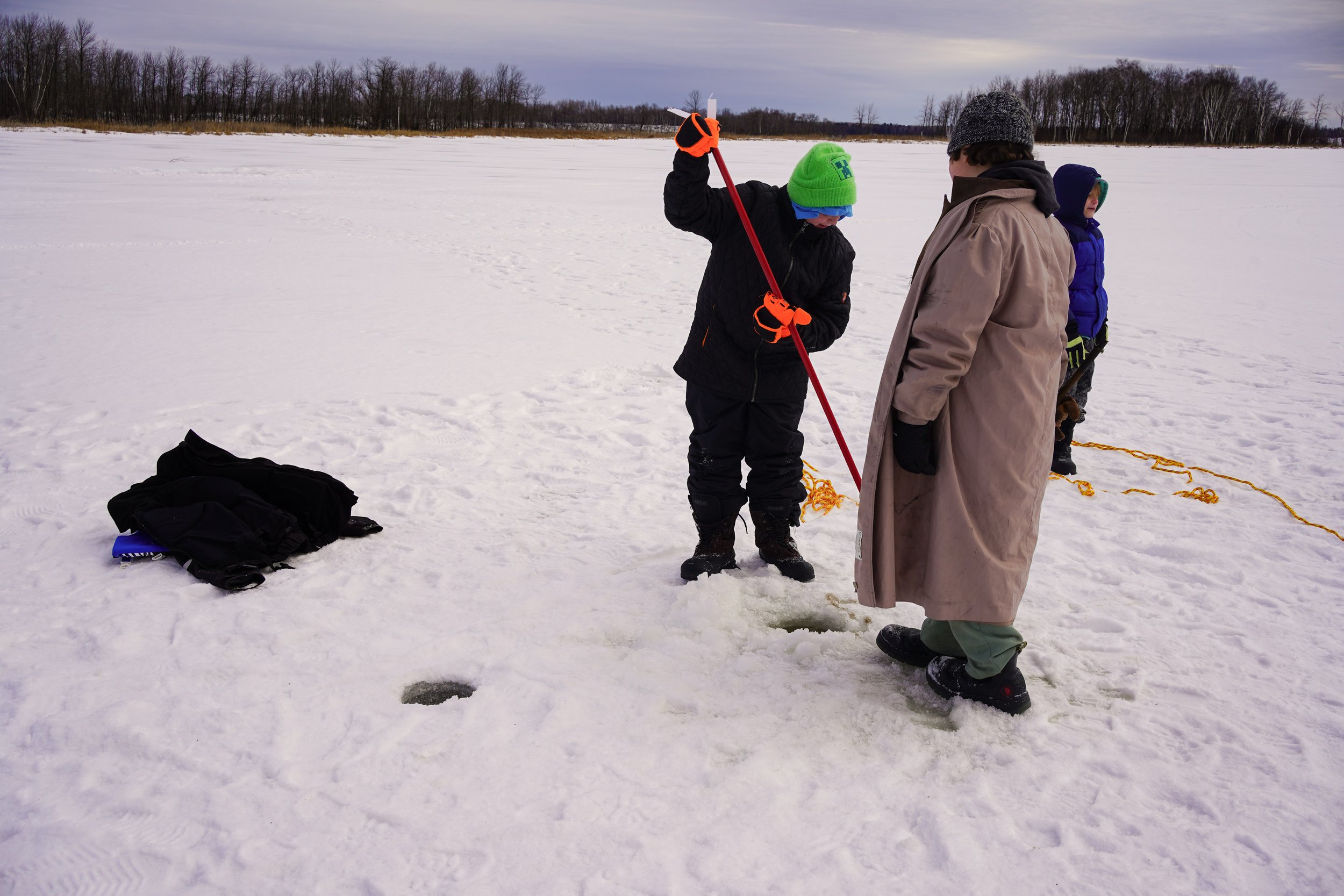
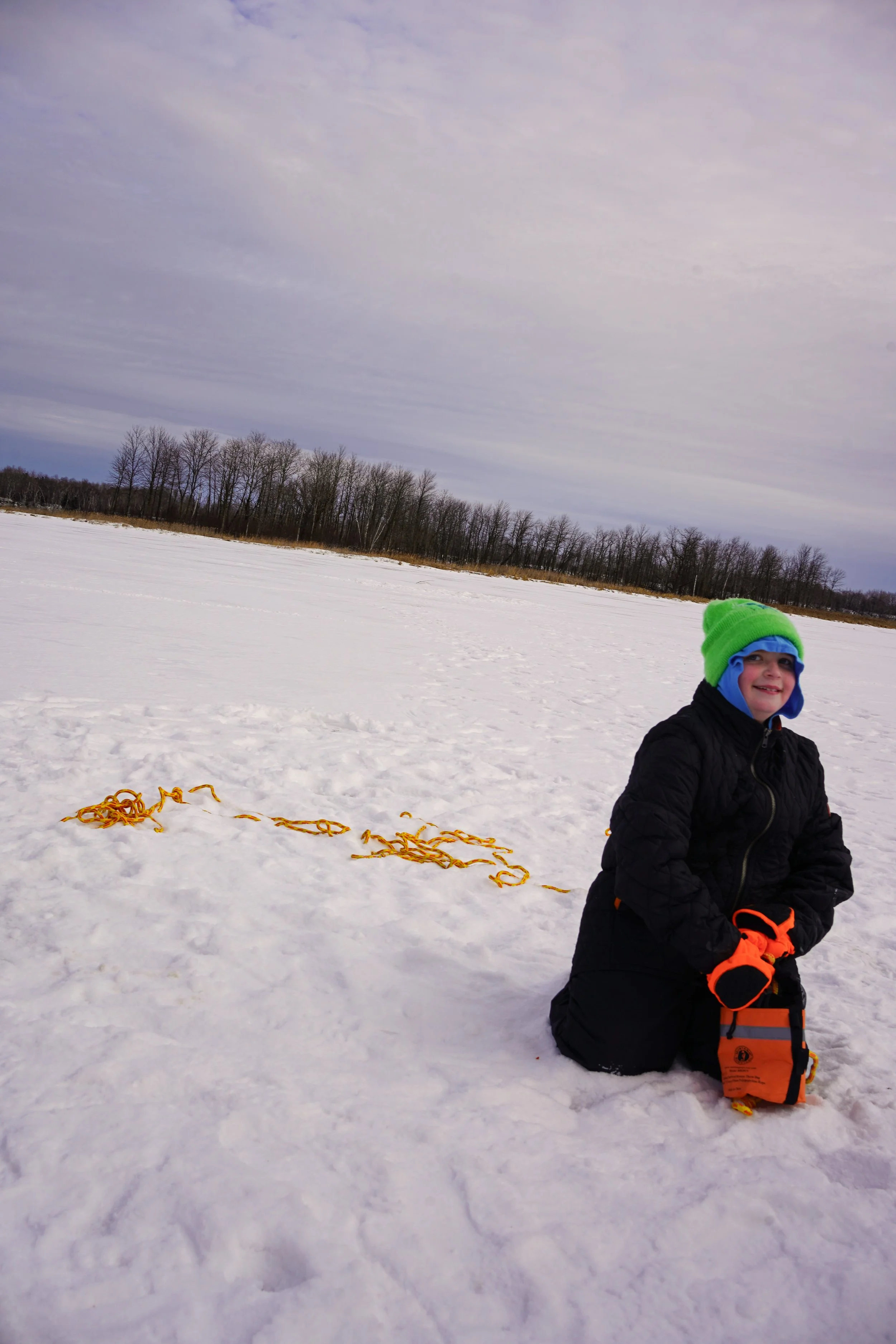
After the introductions, we split into groups and rotated through two hands-on learning stations. One focused on self-rescue if you fall through the ice (huge thanks to Taylor for getting in the water), and the other covered how to measure ice thickness, the dangers of cold water, and the tools that can help keep you safe if an accident happens. We had 16 inches of good, strong ice near Munger Landing. However, with an incoming February thaw, conditions can change quickly, making extra caution especially important.
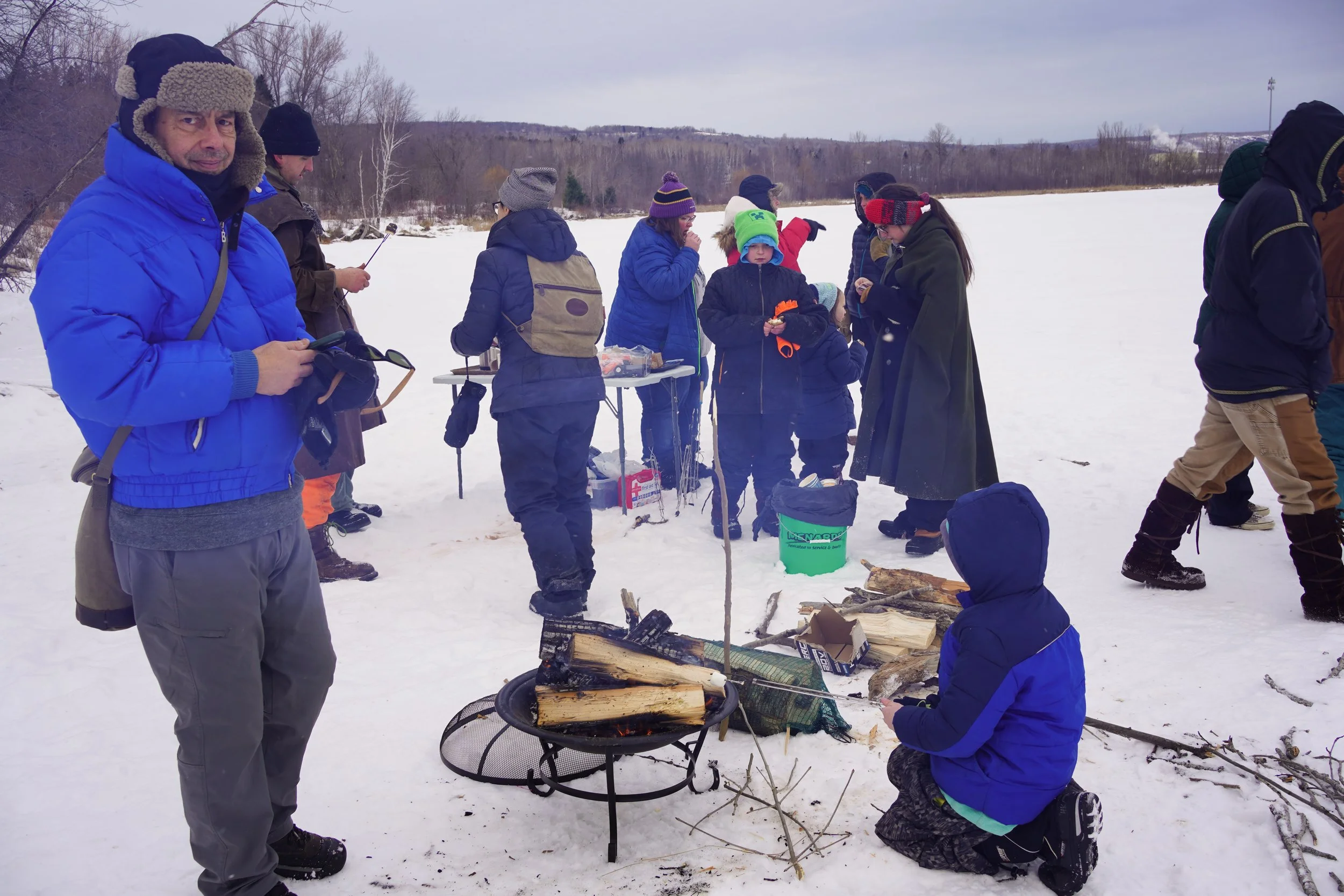
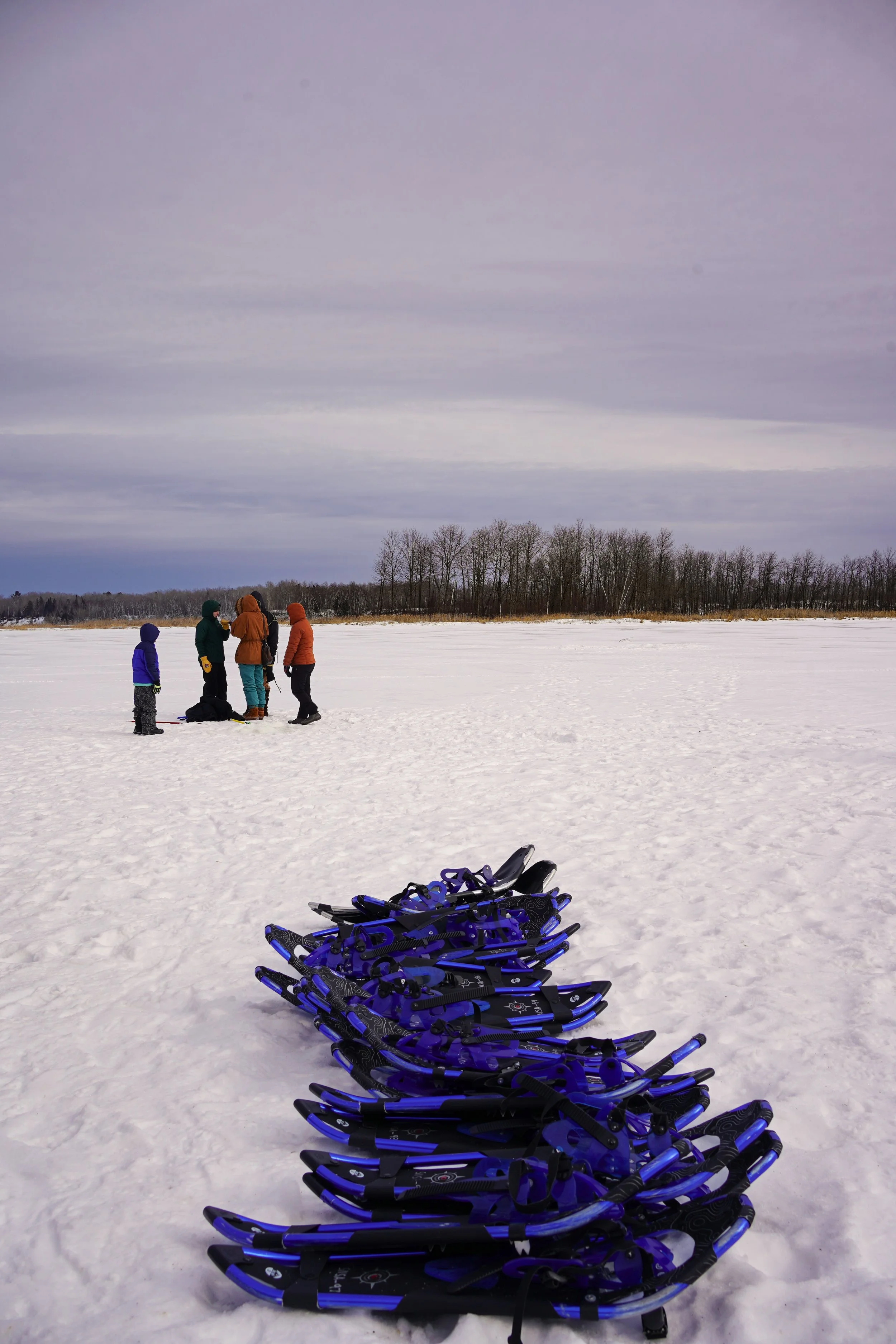
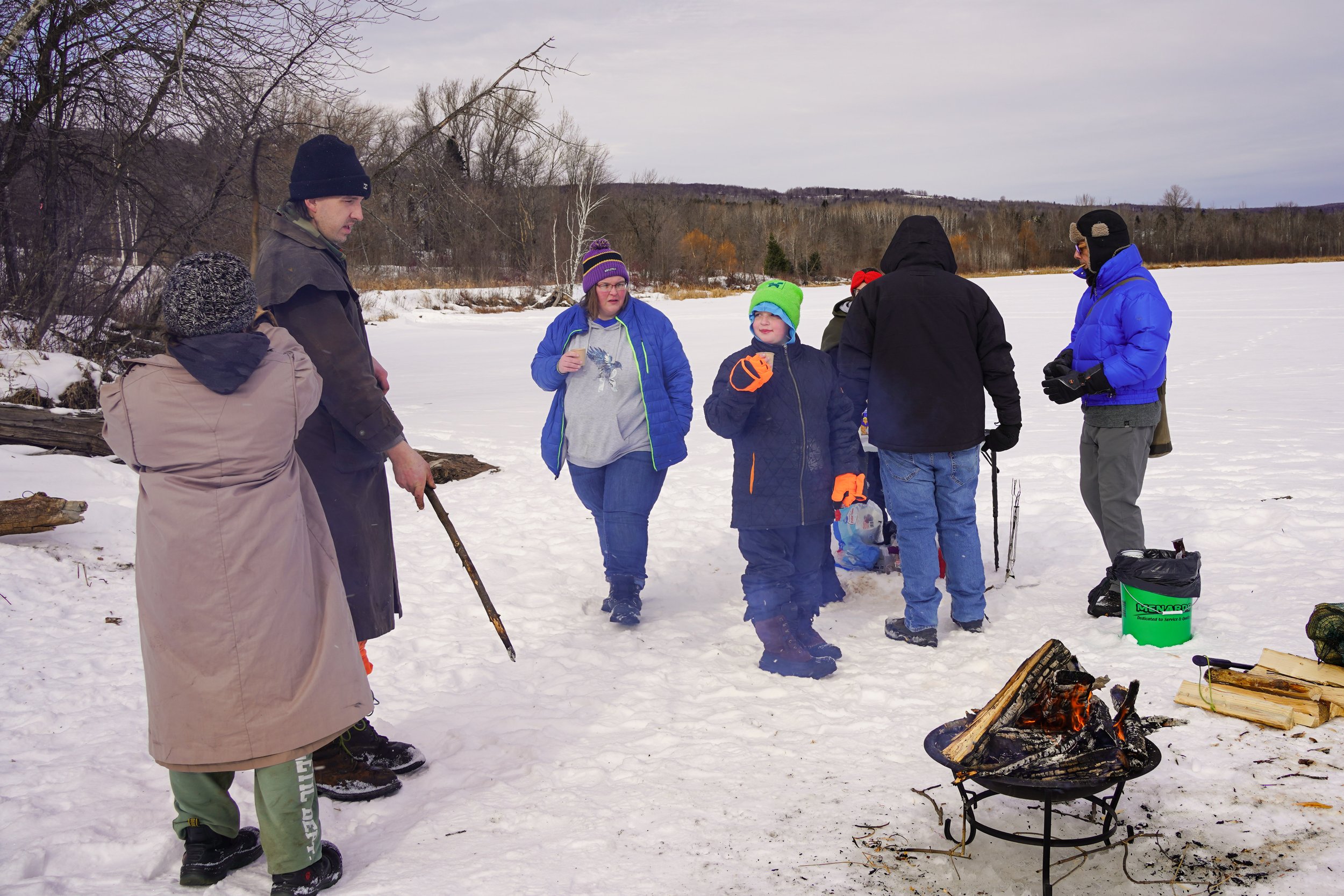
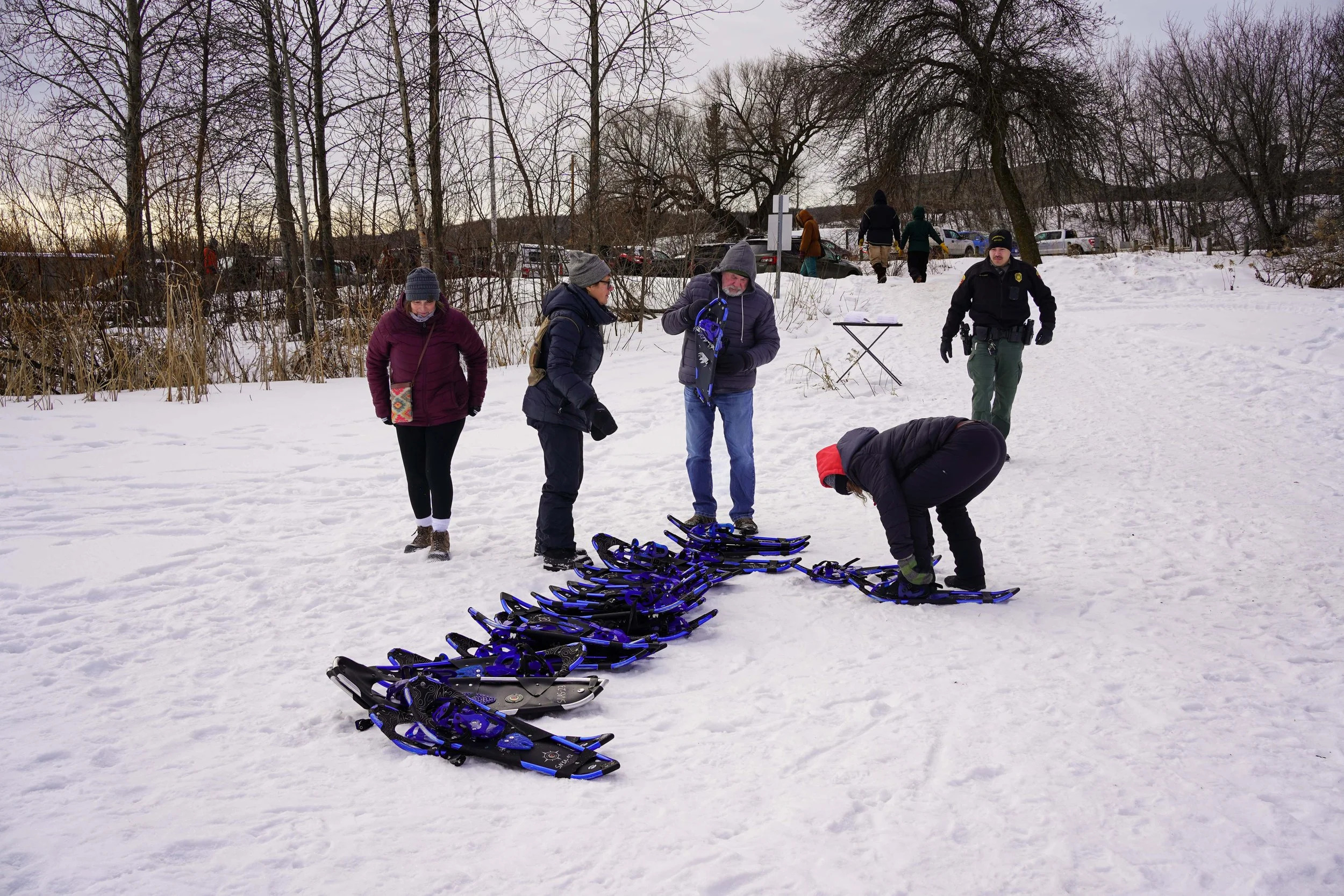
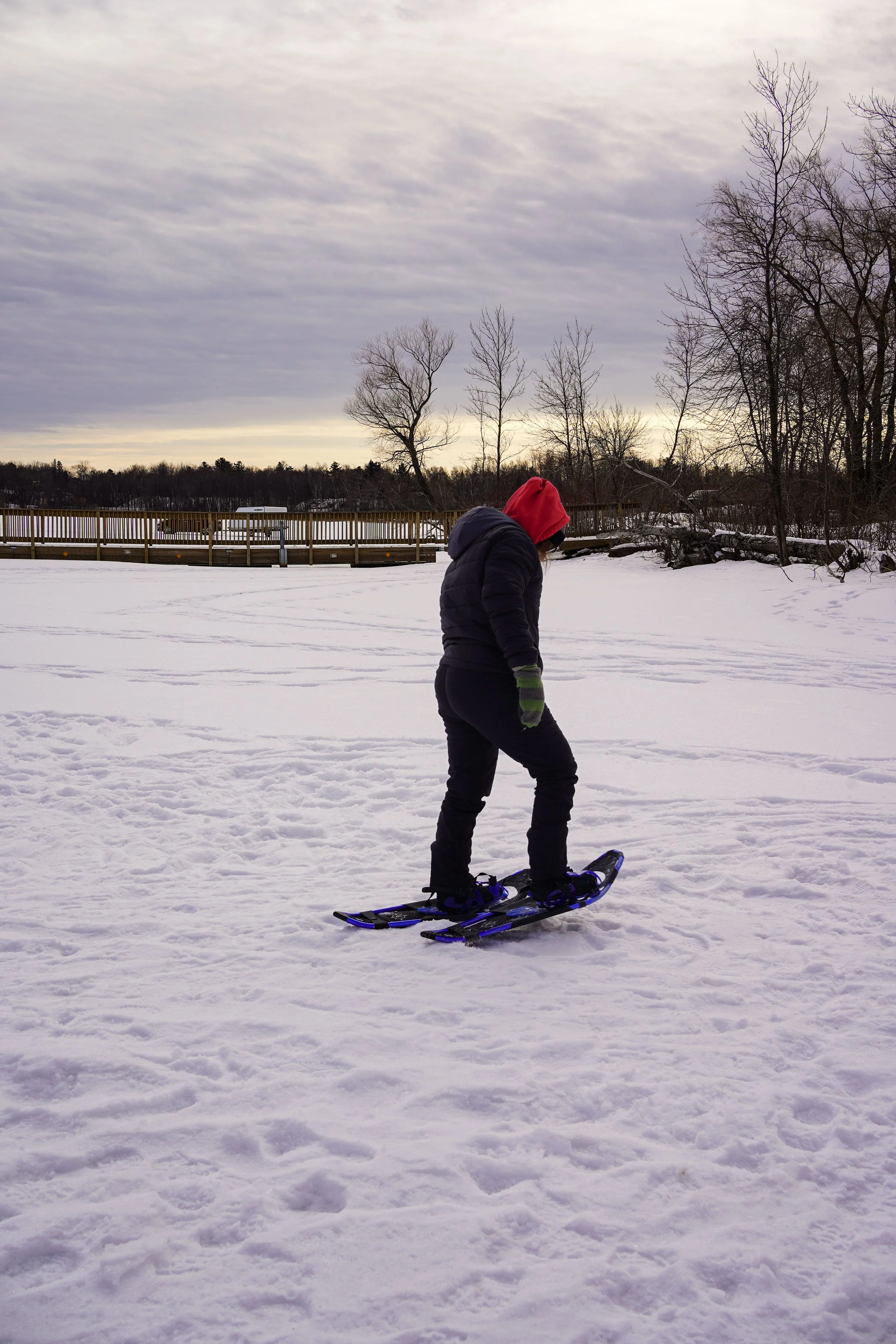
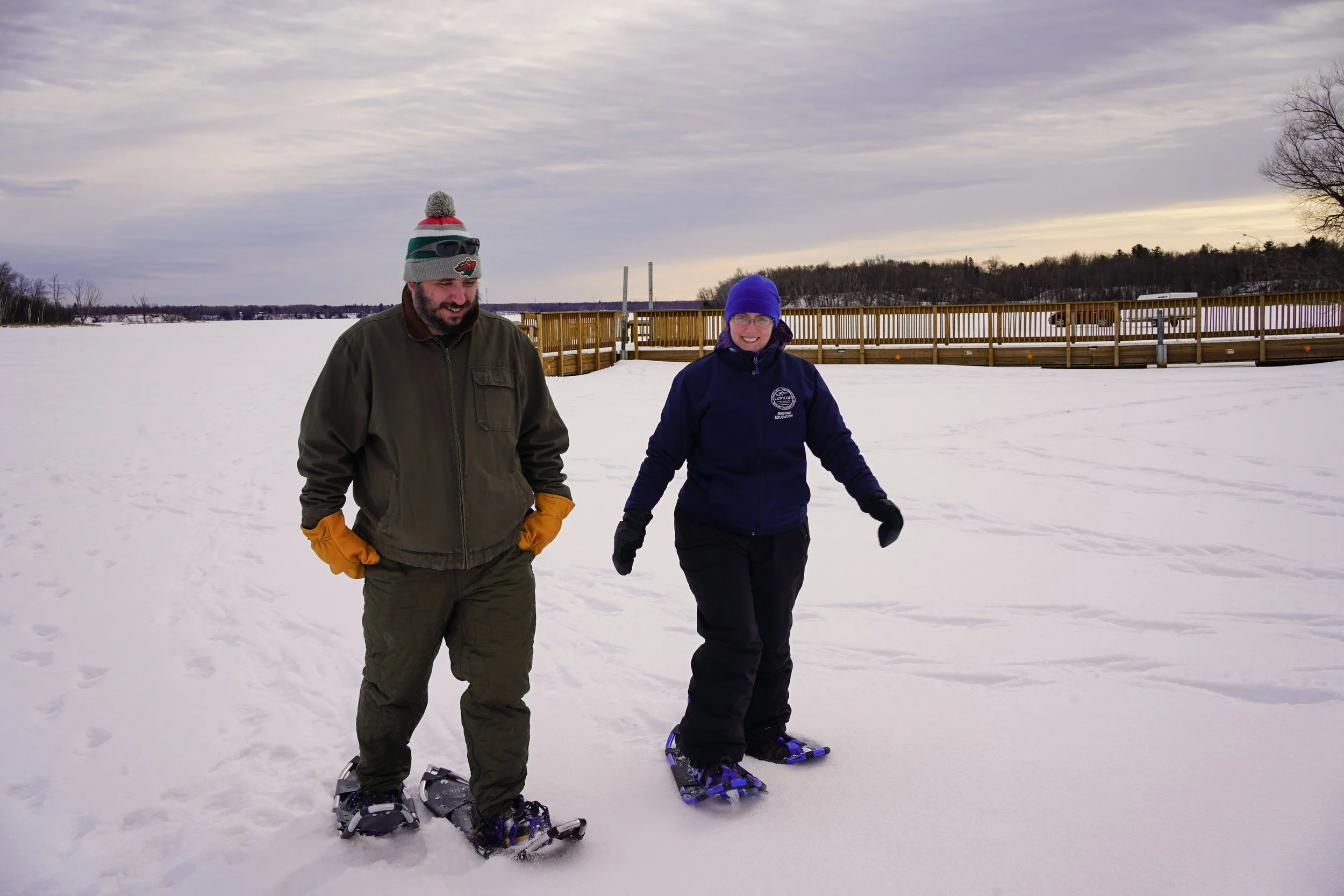
We stayed warm with a bonfire, shared s’mores, and had snowshoes available for folks to check out. Between conversations, we took in beautiful views of the winter river and watched many people heading out onto the ice to fish and ski—a reminder of how much this place means to our community.
Ice Isn’t the Same Everywhere
One of the biggest takeaways from the day was just how unpredictable river ice can be. Ice on the St. Louis River does not form evenly—you might find 8 inches of ice, and just a foot away encounter only 2–3 inches.
We talked about several factors that impact ice conditions on the river, including:
Water current
Proximity to Lake Superior
The shipping channel
Shifting temperatures and weather
Please remember that ice is never 100% safe and that a few safety tools can go a long way. All of these make it essential to keep checking ice conditions and never assume consistency.
What to Do If You Fall Through
Mathew Miller, along with team members Taylor and Cassie, gave a live demonstration showing what to do if you fall through the ice. Seeing the techniques up close helped make the information practical, memorable, and a little less intimidating.
Self-Rescue Steps (1-10-1 Rule):
1 Minute (Control Breathing): Panic is the enemy. You have about one minute to get your breathing under control and think.
10 Minutes (Movement): You have roughly 10 minutes of muscle movement before hypothermia makes it impossible to rescue yourself. Turn toward the direction you came, place arms on the ice, and use ice picks/nails for traction to pull yourself up while kicking. Stay as flat as possible to distribute your weight and once out, roll away from the hole. Do not stand up as this can increase your chances of falling in again!
1 Hour (Hypothermia): You have about one hour before losing consciousness. Immediately get to a warm, dry shelter and seek medical attention for hypothermia.
If Someone Else Falls In:
Do not run up to the edge: You will likely fall in too.
Call 911 immediately.
Reach, Throw, Row: Use a rope, ladder, pole, or branch to reach the person.
Tips for Preparedness:
Carry ice picks: Keep them in your pocket, not your tackle box.
Wear a flotation suit or life jacket.
Carry a cell phone in a plastic bag.
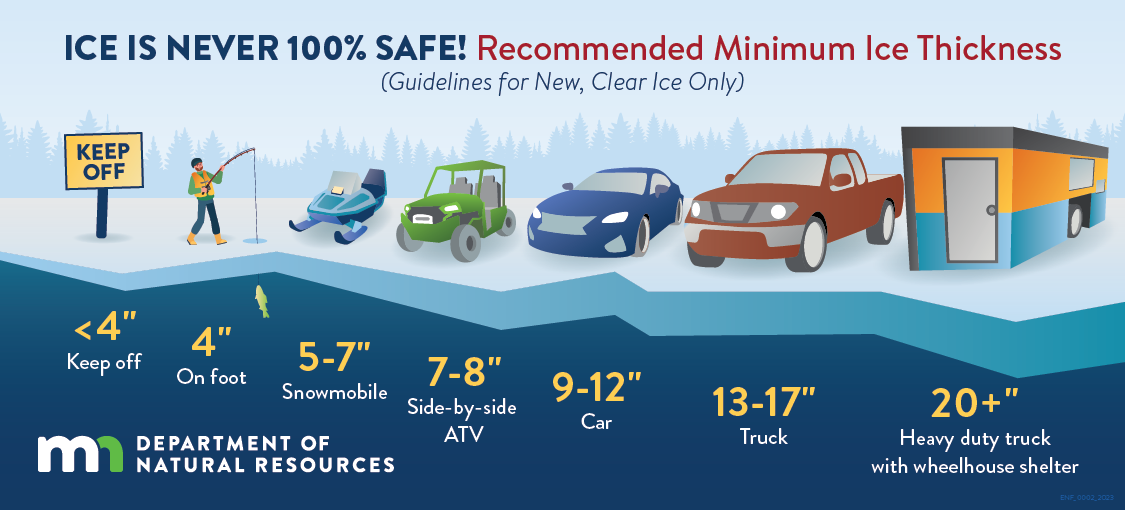
Test ice thickness: The DNR recommends 4 inches for walking, 5-7 for snowmobiles, and 8-12 for cars.
If you’re planning to spend time on the ice this winter, we encourage you to keep learning and stay prepared. The Minnesota DNR has great resources available: https://www.dnr.state.mn.us/safety/ice/index.html
Thanks again to everyone who came out, asked great questions, and helped make the day such a success. We loved sharing a winter afternoon with you on the river and look forward to more opportunities to learn and connect together.
This event was possible due to generous funding from the Great Lakes Restoration Initiative in an effort to reconnect adjacent river neighborhoods back to the St. Louis River.